
Lab-Tested THCA Flower: Why Testing Matters When Choosing Quality THCA Flower
Lab-Tested THCA Flower: A Complete Guide to Quality and Transparency
As the market for THCA products continues to grow, buyers are becoming more interested in lab-tested THCA flower.
But what does “lab tested” actually mean?
A professional laboratory analysis can provide valuable information about a flower’s cannabinoid profile, including THCA and Delta-9 THC, and depending on the testing panel, may also provide information about terpenes and contaminants.
For consumers, retailers and wholesale buyers, laboratory testing can make it easier to compare products based on objective information rather than relying only on product descriptions.
When searching for lab-tested THCA flower Europe, however, quality testing should be considered alongside other factors such as:
- Genetics
- Cultivation
- Harvesting
- Drying
- Curing
- Freshness
- Storage
- Packaging
- Batch consistency
- Regulatory requirements
The European Commission explains that hemp is subject to specific THC-related requirements under the EU’s agricultural framework and also notes that EU countries may apply more restrictive rules.
This is why responsible THCA flower sourcing requires both quality verification and country-specific legal due diligence.
What Is Lab-Tested THCA Flower?
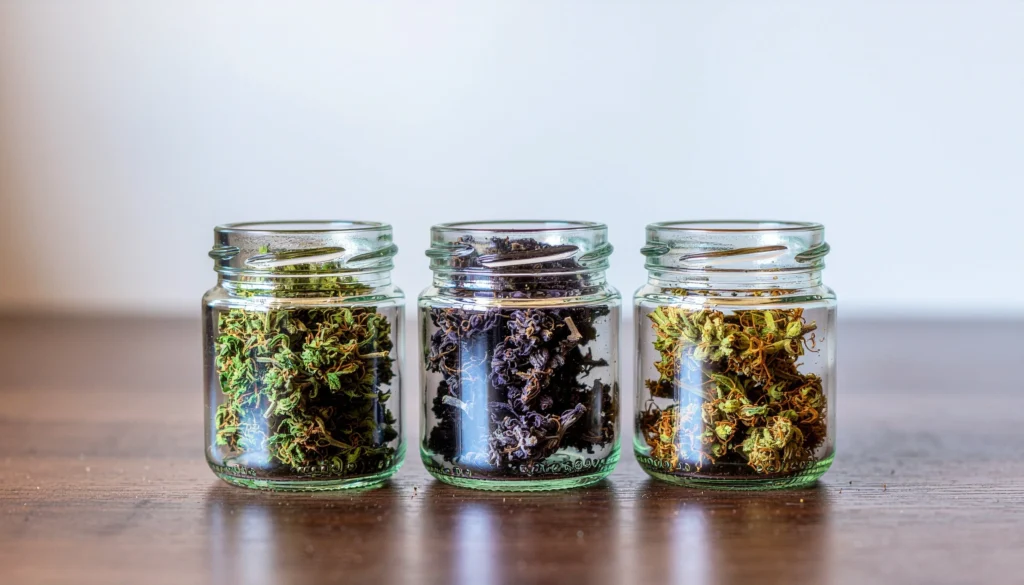
Lab-tested THCA flower is flower that has been analyzed by a laboratory to determine specific characteristics of the tested sample.
Testing can provide information about the cannabinoid composition and, depending on the laboratory and test panel, other quality-related parameters.
A laboratory report may include:
- THCA
- Delta-9 THC
- CBD
- CBG
- CBN
- CBC
- Other cannabinoids
- Terpenes
- Pesticides
- Heavy metals
- Microbial contamination
- Mycotoxins
- Residual solvents
Not every COA includes every test.
Therefore, buyers should always review the actual laboratory report instead of assuming that the words “lab tested” automatically mean that every possible contaminant or compound has been analyzed.
Why Is Lab Testing Important for THCA Flower?
Laboratory testing provides a level of transparency that visual inspection alone cannot provide.
A flower may look excellent, smell strong and have dense trichomes, but those characteristics cannot tell you precisely how much THCA or Delta-9 THC is present.
A laboratory analysis can provide measurable data.
This can help buyers:
Verify cannabinoid content
Testing can show the measured cannabinoid concentrations in the sample.
Compare batches
Different agricultural batches can vary in their chemical composition.
Evaluate product consistency
Regular testing can help suppliers monitor whether products remain within expected specifications.
Identify contaminants
Depending on the test panel, laboratory analysis can detect substances that may not be visible to the consumer.
Improve supply-chain transparency
A current COA gives buyers more information about the product they are considering.
What Is a THCA Flower COA?
One of the most important terms to understand when shopping for lab-tested THCA flower is COA.
COA stands for:
Certificate of Analysis
A COA is a laboratory document containing the analytical results of a tested sample.
A THCA flower COA may contain:
- Product name
- Batch number
- Sample identification
- Laboratory name
- Testing date
- Cannabinoid results
- Testing methodology
- Detection limits
- Other analytical information
The exact format varies between laboratories.
A good COA should be understandable and connected to the product or batch being sold.
What Should You Look for on a THCA COA?
When reviewing a laboratory report, don’t simply look for a large THCA percentage.
Look at the complete report.
1. Product Identification
The COA should identify the sample that was tested.
2. Batch or Lot Information
A batch number can help connect the laboratory report to specific inventory.
3. Testing Date
Testing information should be sufficiently current for the product being sold.
4. Cannabinoid Results
Look for the reported concentrations of:
- THCA
- Delta-9 THC
- CBD
- CBG
- CBN
- Other cannabinoids
5. Testing Method
Professional laboratory reports generally identify the analytical methodology used.
6. Laboratory Information
The report should identify the testing laboratory and relevant credentials or contact information where provided.
7. Contaminant Testing
If contamination testing was performed, check which categories were included.
Why Batch-Specific Testing Matters
One of the most important considerations when purchasing lab-tested THCA flower is whether the COA corresponds to the actual batch being sold.
Imagine a supplier tested a flower cultivar six months ago.
The laboratory report showed a specific cannabinoid profile.
The supplier now has a completely new harvest.
Can you assume the new harvest has exactly the same composition?
Not necessarily.
Cannabis and hemp are agricultural products, and natural variation can occur between:
- Plants
- Cultivation cycles
- Harvests
- Growing conditions
- Cultivars
For this reason, batch-specific testing can provide stronger transparency than using a generic report from an older batch.
THCA Potency Testing
One of the main reasons people search for lab-tested THCA flower is to verify potency.
A laboratory analysis can report cannabinoid concentrations such as THCA and Delta-9 THC.
However, consumers should understand that laboratory results are measurements of a tested sample.
The result should not automatically be interpreted as a guarantee that every individual flower in a large batch has exactly the same cannabinoid concentration.
For commercial buyers, consistent testing and batch controls are therefore important.
THCA vs Delta-9 THC on Laboratory Reports
THCA and Delta-9 THC are closely related but distinct cannabinoids.
THCA is the acidic precursor to THC.
When exposed to heat, THCA can undergo decarboxylation and convert into THC.
This relationship makes laboratory analysis particularly important when evaluating THCA flower.
It also means that buyers should pay attention to how a laboratory reports:
- THCA
- Delta-9 THC
- Total cannabinoids
- Any calculated THC value
Different jurisdictions can have different rules concerning how cannabinoid content is measured or interpreted.
Why THCA Testing Can Be Complicated
The relationship between THCA and THC creates analytical considerations.
Laboratory methods can involve processes that affect cannabinoid measurements, and the precise reporting approach can matter when evaluating a product.
For this reason, businesses should not compare laboratory reports solely by looking at one number.
Instead, consider:
What was tested?
How was it tested?
When was it tested?
Which batch was tested?
How were THCA and THC reported?
This approach provides a much more complete picture.
Testing for Contaminants
Cannabinoid testing is only one part of quality control.
Depending on the laboratory package, THCA flower can also be analyzed for contaminants.
These may include:
Pesticides
Testing can identify certain pesticide residues.
Heavy Metals
Analysis may cover metals such as:
- Lead
- Cadmium
- Arsenic
- Mercury
Microbial Contamination
Testing may identify certain bacteria, yeast or mold.
Mycotoxins
Certain fungal contaminants can produce mycotoxins.
Residual Solvents
This is particularly relevant to products involving extraction, although testing requirements depend on the product and process.
The specific testing panel should always be checked on the COA.
Why Visual Inspection Isn’t Enough
High-quality THCA flower can have:
- Dense buds
- Strong trichome coverage
- Attractive coloration
- Distinctive aroma
But none of these characteristics can confirm the exact cannabinoid profile.
Similarly, visual inspection cannot reliably determine whether a product contains certain contaminants.
That is why lab-tested THCA flower can offer an important additional layer of information.
The ideal approach combines:
Visual Quality + Aroma + Freshness + Laboratory Testing
What Makes High-Quality Lab-Tested THCA Flower?
Laboratory testing alone does not automatically make flower premium.
A truly high-quality product should combine testing with strong agricultural and post-harvest practices.
Important factors include:
Genetics
Good genetics provide the foundation for consistent flower.
Cultivation
Controlled growing conditions can support consistent development.
Trichomes
Strong trichome development can contribute to the appearance and chemical profile of the flower.
Terpenes
Terpenes contribute to aroma and cultivar character.
Harvesting
Correct harvest timing can influence the finished product.
Drying
Careful drying helps protect quality.
Curing
Appropriate curing can improve overall product stability and presentation.
Storage
Proper storage helps protect freshness.
Testing
Laboratory analysis provides objective information about the product.
Lab-Tested Indoor THCA Flower
Indoor cultivation is often associated with premium THCA flower because growers can control environmental factors more precisely.
Indoor cultivation may provide greater control over:
- Lighting
- Temperature
- Humidity
- Airflow
- Growing cycles
However, indoor does not automatically mean lab tested.
Likewise, indoor cultivation does not automatically guarantee premium quality.
A high-quality indoor THCA flower should still be supported by appropriate laboratory documentation.
Lab-Tested Premium THCA Flower
Consumers searching for premium THCA flower often want more than a high cannabinoid number.
Premium product evaluation may include:
- Genetics
- Bud structure
- Trichome coverage
- Aroma
- Terpene profile
- Freshness
- Cultivation method
- Curing
- Laboratory testing
The best premium products combine these characteristics rather than focusing exclusively on potency.
Lab-Tested THCA Flower and Terpenes
Terpenes are naturally occurring aromatic compounds found in cannabis and many other plants.
Common cannabis terpenes include:
- Myrcene
- Limonene
- Caryophyllene
- Linalool
- Pinene
- Humulene
A terpene analysis can provide additional information about the aromatic profile of a flower.
For example, a cultivar may have a profile that is:
- Fruity
- Sweet
- Citrus-forward
- Floral
- Earthy
- Spicy
- Herbal
For premium THCA flower, terpene preservation can be an important aspect of quality.
Why Freshness Matters Even When Flower Is Lab Tested
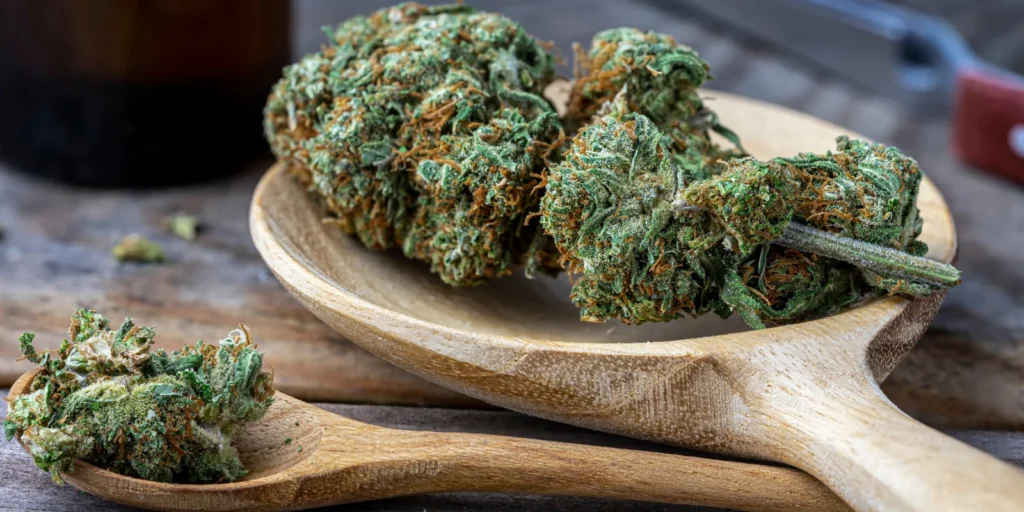
Laboratory testing is important, but it doesn’t eliminate the importance of freshness.
A flower can have a valid COA and still be affected by poor storage after testing.
Exposure to:
- Heat
- Light
- Air
- Excess moisture
- Excessive dryness
can affect product characteristics over time.
This is why quality control should continue after laboratory testing.
A strong supply chain should consider:
Testing → Packaging → Storage → Inventory Management → Shipping
How to Store Lab-Tested THCA Flower
Proper storage helps maintain the characteristics of the product after testing.
Flower should generally be protected from:
- Excessive heat
- Direct sunlight
- Excess moisture
- Excessive dryness
- Unnecessary air exposure
Appropriate packaging can help protect the product during transportation and storage.
For commercial businesses, storage procedures should also reflect the requirements applicable to their products and market.
Lab-Tested THCA Flower for Wholesale Buyers
Wholesale customers have different requirements from individual consumers.
If you’re sourcing lab-tested THCA flower wholesale, consider asking the supplier:
- Is the COA batch-specific?
- When was the batch tested?
- Which laboratory performed the analysis?
- What cannabinoids were measured?
- Was contaminant testing performed?
- What is the minimum order quantity?
- How is the product stored?
- How is it packaged?
- Is the supply consistent?
- What documentation is available?
A reliable wholesale relationship should be based on transparency and consistent quality control.
Lab-Tested THCA Flower for Retailers
Retailers can use laboratory documentation to provide customers with greater product transparency.
Depending on applicable rules, retailers may provide information such as:
- Cultivar
- Cannabinoid profile
- Batch number
- Testing date
- Laboratory information
- Product weight
- Applicable product information
Retailers should ensure that all product descriptions and marketing claims comply with applicable regulations.
Lab-Tested THCA Flower for Private Label Brands
Private-label brands can also benefit from transparent testing.
If a business sells THCA flower under its own brand, it may need to consider:
- Batch identification
- Packaging
- Labeling
- COAs
- Product specifications
- Supply-chain documentation
- Marketing claims
A private-label business should never assume that a supplier’s compliance automatically covers the brand’s own legal obligations.
How to Choose a Lab-Tested THCA Flower Supplier
If you’re searching for a THCA flower supplier, laboratory transparency should be one of the first things you evaluate.
Look for a supplier that can clearly explain:
Product
What cultivar is being sold?
Cannabinoids
What does the laboratory report show?
Batch
Which batch does the COA correspond to?
Testing
What laboratory performed the analysis?
Quality Control
How are products stored and handled?
Documentation
What information is available to commercial customers?
Compliance
Can the supplier provide information relevant to the intended market?
These questions can help separate a transparent supplier from one relying primarily on marketing claims.
How to Spot a Suspicious THCA COA
Not every document labeled “COA” provides the same level of confidence.
Be cautious if:
- The laboratory isn’t clearly identified.
- There is no testing date.
- The product isn’t identified.
- There is no batch information.
- The report contains unexplained numbers.
- The report appears to cover a completely different product.
- Important testing information is missing.
- The supplier refuses to provide basic documentation.
A professional laboratory report should be understandable and traceable to the tested sample.
Lab-Tested THCA Flower vs Non-Tested Flower
The difference is primarily transparency.
| Feature | Non-Tested Flower | Lab-Tested THCA Flower |
|---|---|---|
| Cannabinoid data | May be unavailable | Laboratory results available |
| THCA verification | Limited | Measured by laboratory |
| THC information | May be unclear | Reported according to test |
| Batch traceability | May be limited | Can be documented |
| Contaminant information | May be unavailable | Available if included in testing |
| Consumer transparency | Lower | Higher |
| Quality control | Harder to verify | Easier to document |
Laboratory testing doesn’t guarantee that a product is perfect, but it provides valuable information that cannot be obtained from appearance alone.
Lab-Tested THCA Flower in Europe
European buyers should understand that laboratory testing and legal compliance are related but not identical.
A COA can tell you what was found in a tested sample.
It does not automatically determine whether a product can legally be:
- Imported
- Sold
- Possessed
- Distributed
- Advertised
The European Commission states that EU hemp rules include specific THC requirements and also notes that individual EU countries may apply more restrictive rules.
Therefore, a lab-tested THCA flower product should still be assessed against the laws applicable in the destination country.
Why a COA Does Not Equal Legal Approval
This distinction is extremely important.
A laboratory report is an analytical document.
It is not necessarily:
- A government approval
- An import license
- A legal opinion
- A guarantee of marketability
- A guarantee that the product is legal in every country
For businesses operating across borders, compliance should be evaluated separately.
Questions to Ask Before Buying Lab-Tested THCA Flower
Before purchasing, consider asking:
“Can I see the current COA?”
A transparent supplier should be able to provide relevant laboratory information where appropriate.
“Does the COA match the batch?”
Batch-specific documentation is preferable.
“Which cannabinoids were tested?”
Don’t assume the report includes every cannabinoid.
“Was contaminant testing performed?”
Check the actual report.
“When was the product tested?”
Testing date matters.
“How is the flower stored?”
Good storage protects quality after testing.
“Can you provide commercial documentation?”
This can be especially important for wholesale customers.
Common Mistakes When Buying THCA Flower
Mistake 1: Looking Only at Potency
THCA percentage isn’t the entire quality story.
Mistake 2: Ignoring the COA
If laboratory documentation is available, review it.
Mistake 3: Using an Old Report
A new batch may differ from an old batch.
Mistake 4: Assuming “Lab Tested” Means Everything Was Tested
Always examine the actual testing panel.
Mistake 5: Ignoring Storage
Quality can change after testing.
Mistake 6: Assuming a COA Proves Legality
Testing and legal classification are different issues.
Mistake 7: Buying Solely on Price
Cheap flower isn’t necessarily the best value.
Lab-Tested THCA Flower: A Simple Buyer Checklist
Before ordering, check:
✓ Current laboratory report
✓ Clear product identification
✓ Batch or lot number
✓ THCA result
✓ Delta-9 THC result
✓ Other cannabinoid results where relevant
✓ Testing date
✓ Laboratory identification
✓ Contaminant testing where appropriate
✓ Proper storage
✓ Clear product information
✓ Reliable supplier
✓ Destination-market compliance
This checklist can help consumers and businesses make more informed purchasing decisions.
Why THC King Europe Is Worth Exploring
For customers searching for lab-tested THCA flower Europe, THC King Europe provides a dedicated online platform focused on THCA flower and related products.
When evaluating individual products, buyers should review the product information and available laboratory documentation.
For wholesale customers, additional considerations may include:
- Bulk quantities
- Batch consistency
- Product availability
- Packaging
- Commercial documentation
- Shipping
- Destination-country requirements
Customers should independently verify the current rules applicable to their location before purchasing, importing or selling cannabinoid products.
Frequently Asked Questions About Lab-Tested THCA Flower
What is lab-tested THCA flower?
Lab-tested THCA flower is flower that has been analyzed by a laboratory to determine specific characteristics of the tested sample, such as cannabinoid content and, depending on the test panel, other compounds or contaminants.
What is a COA for THCA flower?
A COA, or Certificate of Analysis, is a laboratory report containing analytical results for a tested product sample.
What should a THCA flower COA contain?
A useful COA may include product identification, batch information, testing date, laboratory details, cannabinoid results and testing methodology.
Does lab testing guarantee quality?
No. Laboratory testing provides valuable analytical information, but overall quality also depends on genetics, cultivation, harvesting, drying, curing, storage and packaging.
Does lab testing prove THCA flower is legal?
No. A COA provides laboratory results; it does not automatically establish that a product is legal to sell, import or possess in every jurisdiction.
Why is batch-specific testing important?
Different harvests can have different cannabinoid profiles. A batch-specific COA provides stronger evidence that the laboratory results relate to the product currently being sold.
Is high THCA flower automatically better?
No. THCA concentration is only one part of product quality. Terpenes, genetics, freshness, cultivation and testing also matter.
Does indoor THCA flower need laboratory testing?
Yes, indoor cultivation does not replace laboratory analysis. Indoor refers to the cultivation environment, while laboratory testing verifies characteristics of the finished product.
Can THCA flower be tested for contaminants?
Depending on the laboratory package, testing can include pesticides, heavy metals, microbial contamination, mycotoxins and other contaminants.
Can I buy lab-tested THCA flower wholesale?
Some suppliers offer wholesale THCA flower with laboratory documentation. Commercial buyers should verify batch information, testing, quantities, packaging and applicable regulations.
Is lab-tested THCA flower legal throughout Europe?
There is no universal answer for every country or product. The European Commission states that EU countries can apply more restrictive hemp rules, so buyers should verify the requirements in the specific destination market.
Final Thoughts on Lab-Tested THCA Flower
The growing interest in lab-tested THCA flower reflects a broader demand for transparency and product quality.
Consumers and businesses no longer need to rely entirely on appearance or marketing descriptions.
A laboratory report can provide valuable information about:
- THCA
- Delta-9 THC
- Other cannabinoids
- Terpenes
- Contaminants
- Batch characteristics
But testing is only one part of the equation.
The strongest approach combines:
Quality Genetics
Careful Cultivation
Proper Harvesting
Effective Drying and Curing
Good Storage
Laboratory Testing
Transparent Documentation
When these elements work together, buyers have a much stronger basis for evaluating THCA flower.
For anyone searching for lab-tested THCA flower, lab tested THCA flower Europe, THCA flower COA, premium THCA flower, high-quality THCA flower, THCA flower supplier, or THCA flower wholesale, laboratory transparency should be one of the most important factors in the purchasing decision.
And remember: a laboratory report tells you what was measured in a sample; it does not by itself determine whether a product is lawful in every destination market.
The European Commission notes that hemp is subject to specific THC-related rules and that EU Member States can adopt more restrictive requirements.
For that reason, responsible buyers should combine laboratory testing, product quality evaluation and country-specific regulatory due diligence.
If you’re exploring THCA flower products online, THC King Europe offers a dedicated platform where you can discover THCA flower and related products.
Choose transparency. Check the COA. Verify the batch. Understand the rules.
That is a smarter way to shop for lab-tested THCA flower.