
THCA Flower Wholesale UK: A Guide to Suppliers, Testing and Legal Compliance
Interest in THCA flower wholesale UK reflects wider searches for information about cannabis-derived products, supplier standards and the regulations that affect businesses in the United Kingdom. For anyone researching this market, it is important to understand the terminology, evaluate product documentation carefully and establish the legal position before considering any commercial activity.
THCa King Europe publishes educational content about cannabinoid products and the European market. This guide explains what THCA flower is, how businesses can assess product information, what laboratory reports can tell you and why UK legal requirements deserve particular attention.
What Is THCA Flower?
THCA stands for tetrahydrocannabinolic acid, a cannabinoid naturally found in cannabis plants. It is chemically different from delta-9 tetrahydrocannabinol, commonly called THC.
When THCA is exposed to sufficient heat, it can undergo decarboxylation, converting some of the THCA into delta-9 THC. This chemical distinction is relevant when interpreting laboratory reports and product descriptions.
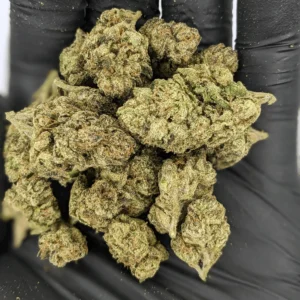
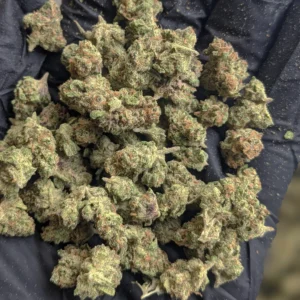
The phrase “THCA flower” generally refers to cannabis flower described in relation to its THCA content. However, the name on a label does not establish the product’s exact composition, purity, legal classification or permitted use. Those questions require evidence and an assessment of the applicable law.
Businesses researching THCA flower wholesale UK should therefore separate three issues: what a product contains, how reliably its composition has been documented, and whether the proposed activity involving that product is lawful.
Understanding THCA Flower Wholesale UK Searches
Wholesale-related searches can reflect interest in supplier documentation, commercial product standards, traceability and market regulations. For businesses conducting research, understanding these subjects is more useful than relying on broad claims about a product or supplier.
A responsible supplier assessment should consider:
- Clear identification of the product and its stated composition.
- Available laboratory documentation and its scope.
- Traceability information connecting records to a particular batch.
- Accurate labelling and appropriate warnings.
- Transparent information about the business responsible for the product.
- Evidence that the proposed activity has been assessed against the relevant legal requirements.
These checks do not independently establish that a product is lawful or safe. They help identify what information is available and what further verification may be needed.
UK Legal Considerations for Cannabis Flower
UK legal compliance is a critical part of any research into THCA flower wholesale. The Home Office states that cannabis is a Class B controlled drug under the Misuse of Drugs Act 1971, subject to specific statutory exceptions and licensing arrangements.
The Home Office’s published guidance explains that cannabis flowers and leaves are controlled parts of the plant. Its guidance on industrial hemp limits the relevant cultivation policy to specified uses involving non-controlled parts, principally seeds and fibre; it does not provide general permission to use hemp flowers as ordinary commercial products.
This means that a low stated THC percentage, a hemp-related description or a product’s availability on a website should not be assumed to make cannabis flower lawful to possess, supply, import or export in the UK.
Read the official Home Office drug licensing factsheet on cannabis, CBD and other cannabinoids for information about the UK’s controlled-drug framework.
You can also consult the Home Office industrial hemp licensing factsheet, which explains the scope and limitations of the industrial hemp licensing policy.
These sources are important because THCA is not simply interchangeable with THC, but the chemical distinction does not remove the need to assess the legal status of the actual plant material and proposed activity. The Home Office factsheet specifically discusses THCA as an acid precursor to THC and notes that it can degrade into THC under certain conditions.
Businesses should obtain advice from a qualified UK legal professional before undertaking activities involving cannabis flower. Importing a product from another country or relying on another country’s rules does not override applicable UK controls.
Why Laboratory Testing and Traceability Matter
Laboratory documentation can help establish what was measured in a particular sample. It should be assessed critically rather than treated as a general guarantee of quality or legal compliance.
Check the certificate of analysis
A certificate of analysis, or COA, records laboratory results for a sample. Depending on the testing performed, it may include measurements of THCA, delta-9 THC and other cannabinoids, as well as results for selected contaminants.
Review the laboratory’s identity, the test date, the sample or batch reference and the methods used. Check which substances were actually tested instead of assuming that every COA covers every possible contaminant.
Confirm the batch information
A report is most informative when it can be linked to the specific sample or batch described in the accompanying documentation. If the product description and laboratory report identify different products or batches, request clarification.
Interpret cannabinoid results carefully
THCA and delta-9 THC are distinct compounds. Their reported percentages should not be treated as interchangeable, and laboratory figures should be interpreted in the context of the analytical method.
A high reported THCA percentage does not, by itself, prove purity, safe production, accurate labelling or legal compliance.
Review the wider documentation
Product specifications, ingredient information where applicable, traceability records and appropriate warnings may all be relevant to an assessment. Documentation should be genuine, consistent and suitable for the particular product and proposed activity.
Importantly, laboratory testing cannot replace the legal permissions or licences required for a controlled substance.
Understanding the Difference Between UK and European Rules
Businesses sometimes assume that rules applicable in one European market also apply in the UK. This can lead to incorrect conclusions.
The European Union Drugs Agency explains that cannabis-derived products may be subject to different regulatory frameworks depending on their type and intended use. National approaches can differ, and the regulatory treatment of low-THC products is not uniform across Europe.
Its guidance on medical and commercial cannabis-derived products provides useful background on the wider European landscape.
However, EU guidance is not a substitute for UK legislation or Home Office requirements. A product’s availability in a European country does not demonstrate that importing, supplying or possessing it in the UK is permitted.
Anyone evaluating a cross-border business proposal should examine the rules in the country of origin and the destination, including any licensing requirements that apply to the proposed transaction.
Responsible Research for Businesses
A structured research process can help businesses avoid relying on incomplete information or unsupported claims.
Start by identifying the exact product and the intended activity. Determine whether the proposal involves cultivation, processing, possession, supply, importation, exportation or another regulated activity. Different activities may raise different legal questions.
Next, review the relevant official guidance and obtain qualified advice where the position is unclear. Keep records of the sources consulted and the advice received. Do not rely solely on a supplier’s statement that a product is “legal,” “hemp-derived” or “compliant.”
Businesses should also avoid misleading product descriptions and unsubstantiated claims about health benefits, purity or safety. If the legal position has not been established, do not assume that commercial branding or a laboratory report resolves the issue.
This approach supports more informed decision-making and helps distinguish general product research from the separate question of whether a particular commercial activity is authorised.
Explore More from THCa King Europe
Readers researching cannabinoids and the wider European market can visit the THCa King Europe homepage for the site’s published content.
You can also browse the THCa King Europe shop to review the product categories and information currently shown on the website, and read the THCA flower Europe guide for related educational information.
These pages are starting points for further reading, not confirmation that a particular product can legally be supplied to the UK. Always verify product-specific facts and current legal requirements independently.
Frequently Asked Questions About THCA Flower Wholesale UK
Does a low THC percentage automatically make cannabis flower legal in the UK?
No. Home Office guidance explains that cannabis flowers and leaves are controlled parts of the plant. A low THC percentage or a hemp-related description should not be treated as automatic permission to possess or supply flower.
What is the difference between THCA and THC?
THCA is the acidic precursor to THC. It can convert into delta-9 THC when exposed to sufficient heat. The two compounds are chemically distinct, and laboratory results should be interpreted according to what was measured.
Does a certificate of analysis prove that a product is legal?
No. A COA reports results for a tested sample. It does not grant legal permission to cultivate, possess, supply, import or export a controlled product.
Can European supplier rules be applied directly to the UK?
Not automatically. The UK has its own controlled-drug legislation and licensing framework. Businesses must assess the rules that apply to their actual activities in the UK, even if a product is described as lawful elsewhere.
Where can businesses find official UK guidance?
Start with the Home Office cannabis and cannabinoid licensing factsheet and the industrial hemp licensing factsheet. Seek advice from a qualified UK legal professional for a specific commercial proposal.
Conclusion
Research into THCA flower wholesale UK should begin with accurate cannabinoid information, credible documentation and a clear understanding of the legal framework. Supplier descriptions, low THC claims and laboratory reports are not substitutes for confirming whether a particular product or activity is permitted under UK law.
By consulting official sources, examining product documentation carefully and obtaining appropriate professional advice, businesses can make better-informed decisions about regulated cannabinoid products.
For more educational content, visit the THCa King Europe homepage, explore the shop or read the THCA flower Europe guide.