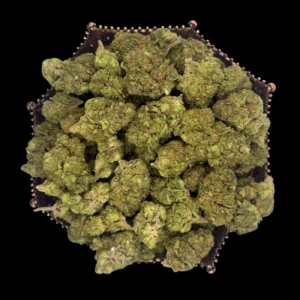
THCA flower is a term that has attracted considerable attention in online searches about hemp, cannabis and cannabinoid products. People researching this topic often want to understand what THCA flower means, how it differs from conventional THC and CBD products, what laboratory reports reveal and why regulations differ between European countries.
Understanding the terminology is important because not every product advertised as hemp or THCA flower has the same composition, production history or legal classification. Product descriptions, cannabinoid percentages and marketing claims should always be supported by reliable information.
At THCa King Europe, readers can explore hemp-related product information and educational resources. This guide provides an introduction to THCA flower, explains important scientific concepts and highlights the questions worth considering when researching cannabinoid products.
You can also visit the THCa King Europe shop and explore the THCa King Europe blog for further information.
What Is THCA Flower?
THCA flower generally refers to the flowering material of cannabis plants containing tetrahydrocannabinolic acid, commonly abbreviated as THCA.
THCA is one of the naturally occurring cannabinoids produced by the cannabis plant. It is chemically related to delta-9 THC, but the two compounds are not identical.
Cannabis plants produce cannabinoid acids, including THCA and CBDA. These compounds can undergo chemical changes through a process known as decarboxylation. In the case of THCA, decarboxylation converts it into delta-9 THC.
This distinction is important when interpreting product descriptions and laboratory reports. A product containing THCA may have a different cannabinoid profile from one that contains predominantly delta-9 THC.
The term THCA flower describes a product category, not a guarantee of a particular cannabinoid percentage, genetic variety, quality grade or legal status.
For more information about cannabinoid terminology, visit the THCa King Europe educational blog.
Understanding the Difference Between THCA and THC
One of the most frequently asked questions about THCA flower concerns the difference between THCA and THC.
Although the compounds are closely related, their chemical structures differ. THCA contains an additional carboxyl group, which is removed during decarboxylation.
The European Union Drugs Agency explains that THCA can be converted into THC through decarboxylation, including when cannabis material is exposed to heat.
This distinction has implications for both scientific testing and regulatory classification.
What is delta-9 THC?
Delta-9 tetrahydrocannabinol, usually called THC, is the cannabinoid most commonly associated with the intoxicating effects of cannabis.
It acts on the body’s endocannabinoid system and can affect perception, memory, attention and coordination. Its effects and risks vary depending on individual circumstances and exposure.
What is THCA?
THCA is the acidic precursor of delta-9 THC found naturally in cannabis plants. It is not considered intoxicating in the same way as delta-9 THC in its unconverted form.
However, this does not mean that a THCA-containing product is automatically harmless or legally unrestricted. Its chemical composition and applicable national regulations must be considered.
For an authoritative explanation, see the European Union Drugs Agency’s cannabis definition guide.
THCA Flower and CBD Flower: What Is the Difference?
THCA flower and CBD flower are not interchangeable terms.
CBD stands for cannabidiol, another naturally occurring cannabinoid found in cannabis plants. Unlike THC, CBD is not generally associated with the same intoxicating effects.
THCA and CBDA are acidic cannabinoid forms. They are produced through different biochemical pathways and can be converted into their corresponding neutral cannabinoids through decarboxylation.
The main differences include:
- THCA: The acidic precursor of delta-9 THC.
- THC: The cannabinoid most associated with cannabis intoxication.
- CBD: A non-intoxicating cannabinoid that has attracted considerable scientific and commercial interest.
- CBDA: The acidic precursor of CBD.
The cannabinoid profile of a particular plant depends on its genetics and growing conditions, among other factors. A product’s actual composition should therefore be established through appropriate testing rather than inferred from its name.
People researching these products can explore the THCa King Europe website for additional hemp-related information.
How Is THCA Flower Evaluated?
When researching a product described as THCA flower, it is important to distinguish between measurable characteristics and marketing claims.
A product’s name or advertised quality grade does not independently verify its composition. Reliable product documentation should provide enough information to understand what is being described.
1. Product identification
The first consideration is the identity of the product.
Useful information may include the product category, manufacturer, batch reference, botanical identity and available specifications.
A strain name does not automatically prove genetic authenticity. Without supporting documentation, claims about a particular genetic lineage or origin should be treated as unverified.
2. Cannabinoid profile
A cannabinoid profile describes the compounds measured in a sample and their reported concentrations.
Depending on the testing package, a report may include THCA, delta-9 THC, CBD and other cannabinoids.
The units and testing methods matter. Results should be read in the context of the laboratory’s methodology rather than compared casually across unrelated reports.
3. Batch identification
A batch number helps connect a product description with its corresponding laboratory documentation.
Without a reliable batch reference, it can be difficult to establish whether a laboratory report actually relates to the product being advertised.
4. Transparent descriptions
A responsible product description should avoid unsupported claims about composition, safety, effects or legality.
Statements such as guaranteed potency, completely legal throughout Europe or approved for every destination require evidence. A general product description cannot replace country-specific regulatory checks.
For additional product information, visit the THCa King Europe shop.
Why Laboratory Testing Matters for THCA Flower
Laboratory testing can provide useful information about the composition of a submitted sample. It is particularly relevant when a product description includes cannabinoid percentages or claims about purity.
One important document is the Certificate of Analysis, commonly known as a COA.
A COA should ideally identify:
- The laboratory that performed the analysis.
- The sample identification or batch number.
- The date of testing.
- The analytical methods used.
- The cannabinoids measured.
- The reported concentrations and units.
- Any additional tests actually performed.
Understanding the limitations of a COA
A laboratory report should not be interpreted as a universal guarantee of quality or safety.
For example, a cannabinoid analysis does not necessarily include pesticide, heavy-metal, microbial or residual-solvent testing. Those tests must be specifically included in the laboratory’s scope.
A COA also reports findings for the sample tested. It cannot automatically prove that every product in a wider batch has exactly the same composition.
Most importantly, a laboratory report is not legal authorisation. A product can have a detailed analysis and still be restricted under the laws of the country where it is marketed or possessed.
Readers researching THCA flower should therefore consider both product documentation and the relevant legal framework.
Understanding THCA Flower Quality Claims
The word “premium” is frequently used in cannabis and hemp product marketing. However, it is not a universal scientific certification or a standardised European quality classification.
A meaningful product assessment should rely on verifiable information rather than promotional wording.
Useful information includes:
Product identity: Clear identification of the product and responsible manufacturer.
Composition: A properly documented cannabinoid profile.
Testing: A relevant laboratory report that can be connected to the product or batch.
Traceability: Information that helps identify the product’s origin and production history.
Regulatory compliance: Evidence that the product and its proposed commercial use meet the rules applying in the relevant market.
These considerations are useful when comparing different product descriptions on the THCa King Europe website.
Is THCA Flower Legal in Europe?
There is no single answer that applies to every THCA flower product in every European country.
European countries have different approaches to cannabis control, industrial hemp, medical cannabis and commercial cannabis-derived products.
The distinction between industrial hemp and controlled cannabis is especially important.
The European Union permits the cultivation and supply of certain low-THC hemp varieties for authorised agricultural purposes, including fibre and seed production, subject to relevant requirements. However, these agricultural rules should not be interpreted as automatic authorisation for every cannabis flower, extract, concentrate or finished product.
The European Union Drugs Agency explains that national approaches to cannabis classification and control can differ. It also highlights the importance of distinguishing industrial hemp from cannabis products associated with recreational use.
Why national laws matter
A product that is treated one way in one European country may be restricted in another.
Relevant considerations can include:
- The plant material or product category.
- The amount and type of cannabinoids present.
- The legal definition of cannabis in the destination country.
- Whether the product is intended for medical, agricultural or commercial use.
- Rules concerning manufacture, possession and sale.
- Import and export requirements.
- Additional regulations governing food, cosmetics or consumer products.
A product advertised as low-THC hemp should not automatically be assumed lawful throughout the European Union.
For a broader explanation, consult the EUDA Cannabis Laws in Europe FAQ.
THCA Flower and European Hemp Regulations
Industrial hemp is an important agricultural crop in Europe. It has established applications in fibre, textiles, seeds and other industrial sectors.
However, regulations that permit certain hemp varieties for agricultural purposes do not automatically cover all finished cannabis products.
The EU framework includes rules concerning approved hemp varieties, certified seeds and THC measurement for agricultural purposes. These rules are designed for specific agricultural activities and should not be confused with a general permission to market cannabis flower for every intended use.
The European Union Drugs Agency provides an overview of industrial cannabis and commercial cannabis-derived products in its medical and commercial cannabis products guide.
Anyone researching THCA flower in a particular European country should consult that country’s current legislation and relevant regulatory authorities.
Common Misunderstandings About THCA Flower
Several misunderstandings appear frequently in online discussions.
Misunderstanding 1: THCA and THC are identical
They are related but chemically different. THCA can be converted into delta-9 THC through decarboxylation.
Misunderstanding 2: Low delta-9 THC automatically means legal
This is not a reliable conclusion. Some countries consider other cannabinoids, the plant material or the product category when determining legal status.
Misunderstanding 3: Every COA proves a product is safe
A COA only establishes the results of the tests performed on the submitted sample. It does not necessarily cover every contaminant or every item in a production batch.
Misunderstanding 4: Hemp and cannabis regulations are identical everywhere
National rules differ. The legal status of industrial hemp does not automatically determine the status of every finished cannabis-derived product.
Misunderstanding 5: A product name proves its genetics
A strain or brand name is not independent evidence of genetic identity. Product-specific claims require supporting information.
Understanding these distinctions makes it easier to evaluate online information and avoid relying on misleading advertising.
Explore THCa King Europe for More Information
The THCa King Europe homepage provides a starting point for exploring the website’s hemp-related information and resources.
Visitors can continue their research through the following sections:
- THCa King Europe Homepage: Explore the main website and its available information.
- THCa King Europe Shop: Review published product descriptions and documentation, subject to applicable laws.
- THCa King Europe Blog: Discover additional educational articles about cannabinoids, hemp and related topics.
When reviewing any product listing, always distinguish between published product information and independently verified facts. Product availability, composition and legal status should not be assumed without appropriate evidence.
Frequently Asked Questions About THCA Flower
What does THCA flower mean?
THCA flower generally describes cannabis flowering material containing tetrahydrocannabinolic acid. THCA is a naturally occurring acidic cannabinoid that can be converted into delta-9 THC through decarboxylation.
Is THCA flower the same as CBD flower?
No. THCA and CBD are different cannabinoids. THCA is the acidic precursor of delta-9 THC, while CBD is a separate cannabinoid with different chemical and pharmacological properties.
Does THCA become THC?
Yes. THCA can undergo decarboxylation and convert into delta-9 THC. This chemical process is relevant to cannabinoid analysis and legal classification.
Does THCA flower contain THC?
A sample may contain both THCA and delta-9 THC. The amounts vary according to the plant material, production history and other factors. A suitable laboratory report is needed to establish the measured composition.
Is THCA flower legal in every European country?
No. European countries have different rules concerning cannabis, industrial hemp and cannabis-derived products. The legal position must be checked in the relevant country.
What is a THCA flower COA?
A COA is a Certificate of Analysis issued by a laboratory. It reports the results of tests performed on a submitted sample, which may include cannabinoid measurements and other analyses.
Can a COA guarantee that a product is legal?
No. A COA is a laboratory document, not legal authorisation. Regulatory classification depends on applicable laws and the characteristics of the product.
Where can I learn more about THCA flower?
Visit the THCa King Europe blog for further educational content about cannabinoids and hemp-related topics.
Final Thoughts: Understanding THCA Flower
THCA flower is an increasingly discussed topic in online searches about cannabis and hemp products. Understanding it requires more than reading a product name or looking at an advertised cannabinoid percentage.
THCA is the acidic precursor of delta-9 THC, and its conversion through decarboxylation is an important part of cannabis chemistry. Laboratory testing can help establish product composition, but it has limitations and cannot replace regulatory approval.
European hemp rules also need to be interpreted carefully. Agricultural permissions for industrial hemp do not automatically authorise every finished cannabis flower or cannabis-derived product. National legislation remains important when assessing possession, commercial activity and cross-border movement.
For more information and educational resources, visit THCa King Europe, explore the shop and read additional articles in the THCa King Europe blog.