THCA Flowers: Understanding Quality, THCA Content and European Regulations
THCA flowers are a frequently discussed category of cannabis-related products in the European hemp and cannabinoid market. Interest in the subject has led many people to search for information about THCA flower quality, cannabinoid content, laboratory reports, product terminology and the legal differences between European countries.
However, understanding THCA flowers requires more than looking at a product name or a percentage printed on a label. It is important to understand what THCA means, how it differs from THC, what independent laboratory testing can establish and why the legal position of cannabis-derived products varies across Europe.
At THCa King Europe, our educational content aims to help visitors understand cannabis-related terminology and make sense of the information associated with products in this market. This guide provides an introduction to THCA flowers, with particular attention to product information, laboratory documentation and European regulatory considerations.
What Are THCA Flowers?
THCA flowers are the flowering tops of cannabis plants that contain tetrahydrocannabinolic acid, commonly abbreviated as THCA. THCA is a naturally occurring cannabinoid acid produced by the cannabis plant.
The plant produces several cannabinoids, including THCA and cannabidiolic acid (CBDA). These compounds are different from the better-known cannabinoids THC and CBD. The distinction matters because THCA can be converted into delta-9 THC through a chemical process known as decarboxylation.
The European Union Drugs Agency (EUDA) explains that THCA is converted into THC when exposed to heat. Its educational material also describes the importance of distinguishing between cannabinoid acids and their corresponding neutral cannabinoids.
For further information, see the EUDA resource on why defining cannabis is important.
When researching THCA flowers, it is therefore important to look beyond the product name. The botanical material, cannabinoid composition, processing, intended use and applicable national laws can all affect how a product is classified.
THCA vs THC: What Is the Difference?
THCA and THC are chemically related, but they are not identical.
THCA is the acidic precursor to THC. In its unheated form, THCA does not have the same intoxicating properties commonly associated with delta-9 THC. When heat causes decarboxylation, THCA can lose a carboxyl group and become THC.
This distinction is important when reading laboratory reports and product descriptions. A report that lists THCA and delta-9 THC separately provides more information than a label that only gives a general cannabinoid percentage.
It is also important not to assume that a product containing THCA will remain non-intoxicating under every circumstance. The conversion of THCA into THC is a significant part of the scientific explanation of cannabis chemistry.
The EUDA provides an overview of this process in its cannabis production and biochemistry resource.
Understanding THCA Flower Quality
People researching THCA flowers often encounter descriptions such as premium, indoor, exotic, greenhouse-grown and small-batch. These expressions are common in the cannabis marketplace, but they do not all represent independently verified quality standards.
A responsible evaluation should consider documented information rather than relying entirely on marketing language.
1. Product identification
A clear product description should identify the material being discussed and avoid confusing flower with extracts, concentrates, oils or infused products.
The form of the product matters because different cannabis-derived materials can be subject to different legal, testing and product requirements.
Visitors can explore the educational and product information available through the THCa King Europe homepage and the shop section.
2. Cannabinoid information
A cannabinoid profile can help explain the reported composition of a sample. Depending on the laboratory and the scope of testing, a report may list THCA, delta-9 THC, CBD and other measured cannabinoids.
A percentage should always be interpreted in the context of the laboratory method, sample identification and reporting units. It should not be treated as proof that every item in a batch has exactly the same composition.
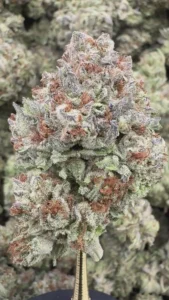
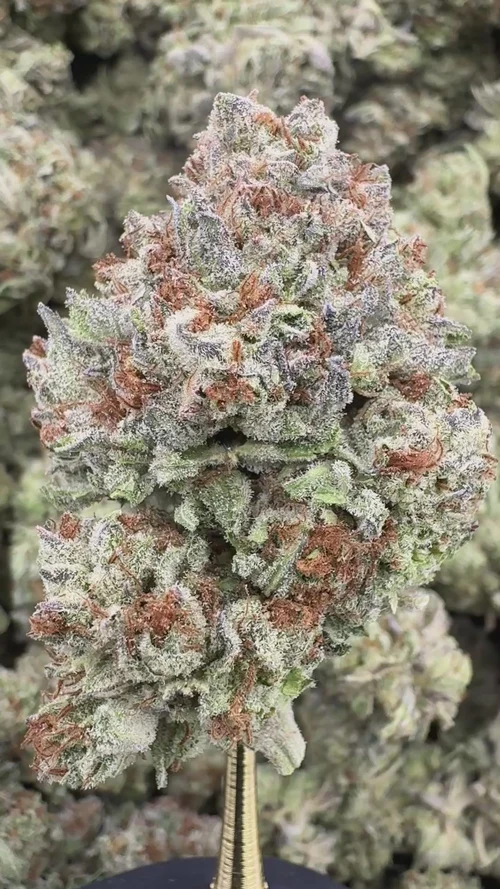
3. Appearance and product descriptions
Product descriptions sometimes refer to colour, texture, aroma, density or visual presentation. These descriptions can help identify what a seller claims about a product, but they are not substitutes for laboratory testing.
Appearance alone cannot reliably establish cannabinoid concentration, purity, contaminant levels or legal status.
4. Batch traceability
Batch identification is useful because it connects product documentation to a particular sample or production lot. When reviewing documentation, check whether the batch number, sample name and report date are clearly stated.
If a report cannot be linked to the product being described, its value for assessing that product is limited.
Why Laboratory Testing Matters
Independent laboratory testing is an important subject when researching cannabis-related products. A Certificate of Analysis (COA) can provide information about the substances measured in a submitted sample.
Depending on the testing programme, a COA may include cannabinoid results and tests for selected contaminants. The actual scope varies, so readers should examine the report rather than assume that every possible substance has been tested.
When reviewing a COA, consider the following:
- Laboratory identity: Is the testing organisation clearly named?
- Sample identification: Does the report identify the sample or batch?
- Report date: Is the document recent enough to be relevant to the product?
- Testing method: Does the report explain how the sample was analysed?
- Cannabinoid results: Are THCA and delta-9 THC reported separately?
- Testing scope: Does the report specify which contaminants were tested?
- Limitations: Does the document explain detection limits or other analytical qualifications?
A COA is not a universal safety certificate or a legal authorisation. It only reports the tests and results associated with the submitted sample. It does not establish that every product in a batch is identical or that the product is lawful in every destination country.
For visitors researching cannabis-related product information, the THCa King Europe website provides a starting point for exploring the site’s available information. Always check the actual documentation associated with an individual product rather than relying on general statements.
Are THCA Flowers Legal in Europe?
This is one of the most important questions surrounding THCA flowers.
There is no single rule that makes every THCA flower product legal throughout Europe. European Union countries have national drug-control laws, and the classification of cannabis-derived materials can depend on their composition, form, intended use and other legal circumstances.
The EUDA’s Cannabis Laws in Europe FAQ, revised in April 2026, explains that cannabis policy and the rules governing cannabis-derived products vary across the region.
It is particularly important to distinguish industrial hemp rules from rules governing cannabis flowers and other cannabis-derived products. EU agricultural provisions address specific hemp varieties and industrial uses. They do not create a general authorisation to sell or distribute every product containing THCA.
The European Commission’s hemp agriculture guidance describes the agricultural framework for hemp, including requirements concerning approved varieties and THC limits in specified contexts.
Those agricultural provisions should not be interpreted as blanket permission for all THCA flowers, extracts or other cannabinoid products.
Before buying, possessing, transporting or importing a cannabis-related product, individuals and businesses should check the current rules in the relevant country. Cross-border movement can raise additional legal questions, even where a product is openly advertised online.
For a broader overview, consult the EUDA’s information on medical and commercial cannabis-derived products.
THCA Flowers and the European Market
The European market includes a wide range of products described using terms such as hemp flower, CBD flower, cannabis flower and THCA flower. These labels should not be treated as interchangeable.
CBD flower and THCA flower can have different cannabinoid profiles. A product’s legal classification cannot be determined simply by the word “hemp” appearing in its description.
For consumers, researchers and retailers, accurate product terminology is essential. Clear descriptions help visitors understand what a product is claimed to contain and what documentation should be available for review.
For businesses, it is equally important to avoid broad claims such as “legal everywhere in Europe” or “guaranteed legal because it contains less than a particular percentage of delta-9 THC.” Such statements can be misleading because national laws may apply different definitions and controls.
Readers looking for additional educational material can visit the THCa King Europe blog. The shop page can also be used to navigate the website’s product information, subject to applicable laws and availability.
Common Terms Used When Researching THCA Flowers
Understanding marketplace terminology makes it easier to assess product descriptions critically.
THCA flower: A term generally used for cannabis flower described as containing THCA.
THCA percentage: A reported measurement of THCA in a sample. Its meaning depends on the analytical method and reporting basis.
Delta-9 THC: The cannabinoid commonly associated with the intoxicating effects of cannabis.
Decarboxylation: A chemical process through which cannabinoid acids such as THCA can be converted into their corresponding neutral cannabinoids, including THC.
COA: A Certificate of Analysis reporting the results of specified laboratory tests on a submitted sample.
Batch number: An identifier used to connect a product lot with production or testing documentation.
Hemp: A term used in agricultural and commercial contexts, but not a guarantee that every product derived from a cannabis plant is exempt from drug-control laws.
These definitions can help visitors interpret online descriptions without confusing marketing terminology with scientific evidence or legal authorisation.
Frequently Asked Questions About THCA Flowers
What does THCA stand for?
THCA stands for tetrahydrocannabinolic acid. It is a cannabinoid acid naturally produced by cannabis plants and is chemically related to delta-9 THC.
Are THCA flowers the same as CBD flowers?
No. THCA and CBD are different cannabinoids. THCA is the acidic precursor to THC, while CBD is a different cannabinoid with a different chemical structure and properties.
Does THCA turn into THC?
Yes. THCA can be converted into delta-9 THC through decarboxylation, a process that can occur when the material is heated.
Are THCA flowers legal in every European country?
No. Laws differ between European countries. The classification of a product can depend on its composition, form, intended use and applicable national legislation. Check the relevant country’s current rules before making any purchase or transport decision.
What is a THCA flower Certificate of Analysis?
A COA is a laboratory document that records the results of specified tests performed on a submitted sample. It may report cannabinoid concentrations and other measurements, depending on the laboratory’s testing scope.
Does a high THCA percentage prove that a product is high quality?
No. A cannabinoid percentage is only one measurement. It does not independently establish product purity, batch consistency, contaminant status, overall quality or legal compliance.
Where can I find more information about THCA products?
You can begin with the THCa King Europe website, browse the shop section and read additional educational material in the blog. Always review product-specific documentation and the laws applicable to your location.
Final Thoughts on THCA Flowers
THCA flowers are an important subject in discussions about cannabis chemistry and the European cannabinoid market. Understanding the difference between THCA and THC, interpreting laboratory reports and recognising the limitations of product labels can help readers assess information more carefully.
The most useful approach is to look for transparent product identification, clearly explained cannabinoid results, traceable documentation and accurate legal information. Neither a marketing description nor a low delta-9 THC figure should be treated as proof of universal legality.
For further information, visit THCa King Europe, explore the shop or browse the THCa King Europe blog for additional educational content.
Legal information in this article is general and educational, not legal advice. Regulations can change, and readers should consult the relevant national authority or a qualified legal professional before acting.