The search for Exotic THCA flower reflects growing interest in distinctive cannabis flower descriptions, cannabinoid information, cultivation terminology and laboratory testing. In the cannabis marketplace, the word “exotic” is commonly used to describe products presented as unusual, distinctive or premium. However, the label alone does not establish a flower’s quality, cannabinoid composition, origin or legal status.
For anyone researching THCA flower in Europe, understanding the terminology is an important first step. Product descriptions should be supported by meaningful information, including accurate laboratory results, transparent batch details and clear explanations of applicable regulations.
At THCa King Europe, our website provides a place to explore THCA-related information and product categories. This guide explains what exotic THCA flower means, how to interpret product descriptions, why independent testing matters and what European consumers should understand about the legal framework.
What Is Exotic THCA Flower?
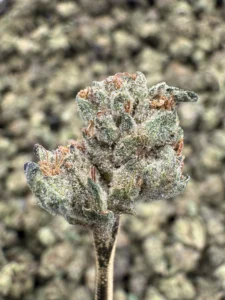
Exotic THCA flower is a marketplace description generally used for cannabis flower presented as distinctive or premium. The term may refer to a named cultivar, an unusual appearance, a particular aroma description or a product positioned in a premium category.
It is important to understand that “exotic” is not a scientific classification. There is no universal laboratory standard that makes a cannabis flower exotic. Different retailers and producers may use the word in different ways.
A useful product description should therefore explain what makes the flower distinctive rather than relying on the word alone.
For example, relevant information may include:
- The stated cultivar or strain name.
- Whether the product is described as indoor, greenhouse or outdoor cultivated.
- The batch identification number.
- The date and details of laboratory testing.
- The measured cannabinoid profile.
- The testing laboratory and analytical methods.
- Any available information about the product’s origin.
Readers interested in broader product terminology can also explore the THCa King Europe website and visit the THCA flower information and blog section for additional educational material.
Understanding THCA and THC
To understand exotic THCA flower, it helps to distinguish THCA from THC.
THCA stands for tetrahydrocannabinolic acid. It is an acidic cannabinoid naturally present in raw cannabis plant material. Delta-9 THC is a different chemical form associated with the intoxicating effects of cannabis.
When THCA is exposed to heat, it can undergo a chemical process known as decarboxylation, converting some of the THCA into delta-9 THC. This is one reason why the distinction between the two compounds matters when discussing cannabis chemistry.
A product description that reports THCA content should not be interpreted as proof that the product is non-intoxicating or automatically lawful. Its chemical composition, intended use and the legislation applicable in the relevant country all matter.
For a scientific and regulatory overview, consult the European Union Drugs Agency’s cannabis laws FAQ.
What Makes a Flower Description “Exotic”?
Because “exotic” is a marketing expression rather than a regulated grade, consumers should look for specific information behind the description.
1. Cultivar identification
A cultivar or strain name can help distinguish one product description from another. However, a name does not independently verify the plant’s genetics or chemical profile.
A reliable description should avoid presenting unverified strain history, breeding information or genetic claims as established facts.
2. Cultivation terminology
Cannabis flower descriptions sometimes use terms such as indoor, greenhouse and outdoor. These terms refer to broad cultivation environments.
Indoor cultivation generally describes plants grown within a controlled indoor environment. Greenhouse cultivation uses a structure that can combine natural sunlight with environmental controls. Outdoor cultivation takes place in an open-air growing environment.
These labels describe production settings, not guaranteed quality levels. A cultivation label cannot replace independent testing or batch-specific documentation.
For more information about indoor terminology, readers can explore the THCA flower guides on THCa King Europe.
3. Appearance and presentation
Product listings may describe flower using visual terms such as colour, density, structure or visible plant material. These observations can help readers understand how a product is presented, but appearance alone cannot establish cannabinoid content, purity or safety.
Photographs should also represent the actual product or clearly identify themselves as illustrative images.
4. Aroma and terpene descriptions
Terpenes are naturally occurring compounds found in many plants, including cannabis. They contribute to characteristic aromas and are often discussed in cannabis product descriptions.
However, aroma terminology is not a substitute for laboratory analysis. If a seller provides a specific terpene profile, the information should be supported by a relevant analytical report rather than assumed from a strain name.
Why Laboratory Testing Matters
Independent laboratory testing is one of the most important sources of information when evaluating a cannabis product.
A Certificate of Analysis, commonly abbreviated as COA, is a document reporting the results of specified tests performed on a submitted sample. Depending on the laboratory and the scope of the analysis, it may contain cannabinoid measurements and other test results.
When reviewing a COA for exotic THCA flower, look for the following details:
Batch identification: The report should identify the sample or batch it relates to. This helps readers assess whether the report corresponds to the product being described.
Testing date: The date provides context about when the sample was analysed.
Laboratory identity: The report should identify the laboratory responsible for the analysis.
Cannabinoid profile: Results may report THCA, delta-9 THC, CBD and other measured cannabinoids, depending on the test.
Analytical method: The document should provide enough information to understand which analytical method was used.
Scope of testing: A cannabinoid report does not necessarily include tests for pesticides, heavy metals, microbial contamination, residual solvents or other substances.
It is also important not to overstate what a COA proves. A report describes the sample tested and the analyses performed. It does not automatically establish that every item in a batch is identical, that every possible contaminant was assessed or that a product is legally authorised.
For consumers and businesses researching cannabis-related products, transparent documentation is more useful than unsupported statements such as “lab tested” or “premium quality.”
Exotic THCA Flower and European Regulations
European cannabis regulations are not identical in every country. A product’s legal treatment can depend on its composition, form, intended use, production and national controlled-substance legislation.
The European Union Drugs Agency explains that there is no single harmonised EU framework governing all aspects of illicit cannabis use and personal possession. Individual Member States have their own rules, while EU legislation also addresses particular cross-border drug-trafficking matters.
The distinction between industrial hemp rules and other cannabis products is especially important. EU agricultural provisions concerning approved hemp varieties and THC limits were developed for specified agricultural purposes. They should not be treated as blanket authorisation for all cannabis flower, extracts or THCA products.
The EUDA also explains that low-THC cannabis products can be subject to different national and product-specific rules, including other trade and regulatory requirements.
Useful official resources include:
- EUDA: Cannabis laws in Europe – Frequently Asked Questions
- EUDA: Medical and commercial cannabis-derived products
- EUDA: How European countries respond to illegal cannabis use and supply
Before purchasing, possessing, importing, exporting or transporting any THCA flower product, it is essential to check the current rules in the specific country concerned. A product’s online description, a low delta-9 THC result or an agricultural hemp reference does not independently establish that the product may lawfully be sold or transported.
How to Evaluate an Exotic THCA Flower Product Description
A detailed product listing should provide factual information that readers can assess. The following checklist can help identify whether a description is informative.
Check the product identity
Look for a clearly stated product name and, where applicable, cultivar information. Be cautious about listings that use several strain names interchangeably without explaining the reason.
Look for batch-specific information
A product listing should make it possible to identify which batch its laboratory documentation relates to. Generic reports without a clear connection to the listed product provide less useful information.
Read cannabinoid results carefully
Check whether the report distinguishes THCA from delta-9 THC. Avoid assuming that a single cannabinoid percentage describes every aspect of the product.
Understand the limits of visual claims
Images can help communicate product presentation, but they cannot verify chemical composition or legal classification.
Review the seller’s information
A transparent business should provide accessible contact details, clear policies and accurate product information. Readers can find general website information through the THCa King Europe homepage and browse the shop section.
Check local legal requirements
Do not rely solely on a retailer’s statement that a product is legal in Europe. Confirm the rules that apply in the destination country and, where relevant, obtain qualified legal advice.
Exotic THCA Flower Compared with Other Product Descriptions
The terms used in cannabis listings can overlap, but they do not necessarily mean the same thing.
| Description | What it generally refers to | What it does not prove |
|---|---|---|
| Exotic THCA flower | A marketing description suggesting a distinctive or premium product | A recognised quality grade or legal status |
| Indoor THCA flower | Flower described as cultivated indoors | A particular cannabinoid level or guaranteed quality |
| Greenhouse THCA flower | Flower described as grown in a greenhouse | Consistent composition or safety |
| Premium THCA flower | A product positioned in a higher market category | Independently verified superiority |
| THCA flower | Cannabis flower described by reference to its THCA content | That it is lawful in every country |
The most useful descriptions explain measurable characteristics rather than relying on promotional labels.
Why Accurate Product Information Matters for THCa King Europe
A strong product-information page should help visitors understand what is being described. This is particularly important for specialist search terms such as exotic THCA flower, where marketing language can sometimes be confused with scientific or legal terminology.
For THCa King Europe, useful website content can include clear explanations of cannabinoid terminology, transparent product documentation, accurate descriptions and links to relevant regulatory information.
Readers can begin at the THCa King Europe homepage, explore the shop for website category information, or visit the blog section for related educational articles.
Product pages should only make claims that can be substantiated. Specific potency figures, terpene profiles, cultivation methods, laboratory results, product availability and shipping destinations should be confirmed for the relevant product and batch before publication.
This approach supports a more informative website and gives visitors a clearer basis for evaluating the information presented.
Frequently Asked Questions About Exotic THCA Flower
What does exotic THCA flower mean?
It is a marketing description commonly used for cannabis flower presented as distinctive or premium. The term has no universal scientific definition or recognised grading standard.
Is exotic THCA flower stronger than regular THCA flower?
Not necessarily. The word “exotic” does not establish cannabinoid potency. Any potency comparison requires reliable, relevant laboratory results.
Is THCA the same as THC?
No. THCA is the acidic precursor of delta-9 THC. Heat can convert THCA into THC through decarboxylation, so the two compounds should not be treated as interchangeable.
Does a high THCA result mean a product is legal?
No. A laboratory result is not a legal authorisation. National drug-control rules and the product’s composition and intended use must be considered.
Is THCA flower legal throughout Europe?
There is no blanket answer that applies to every European country and every THCA product. National legislation differs, and readers should check the current rules in the relevant jurisdiction.
What is a Certificate of Analysis?
A Certificate of Analysis is a laboratory report showing the results of specified tests performed on a submitted sample. Its value depends on the sample identity, testing date, laboratory and scope of analysis.
Does indoor cultivation guarantee better quality?
No. Indoor cultivation describes a growing environment. It does not independently prove a product’s purity, cannabinoid profile or overall quality.
Where can I find more THCA information?
Visit THCa King Europe and its blog section for additional information about THCA terminology, product descriptions and related topics.
Final Thoughts on Exotic THCA Flower
Exotic THCA flower is a useful search phrase for people exploring distinctive cannabis product descriptions, but the word “exotic” should not be mistaken for a scientific grade or a guarantee of quality.
The most meaningful evaluation considers product identity, cultivation information, batch-specific laboratory testing, transparent documentation and the laws applicable in the relevant country.
For readers researching THCA-related information, THCa King Europe provides a starting point for exploring the website, its shop categories and its educational blog content.
Above all, accurate information matters. Clear descriptions, reliable documentation and careful attention to European and national regulations help create a more transparent environment for anyone researching cannabis-related products.