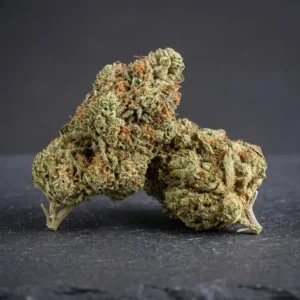
The search for Bulk THCA flower is often associated with people researching the European cannabis market, specialist suppliers, product documentation and wholesale terminology. Whether someone is studying the industry for business research or trying to understand how cannabis flower products are classified, it is important to look beyond product names and promotional descriptions.
Bulk purchasing and wholesale terminology can create additional regulatory questions. Larger quantities do not change the legal classification of a cannabis product, and a product described as hemp-derived or low in delta-9 THC is not automatically authorised for commercial distribution.
For anyone researching bulk THCA flower in Europe, important considerations include cannabinoid composition, laboratory testing, batch identification, supplier transparency and national legislation.
At THCa King Europe, visitors can explore THCA-related website information and product categories. This guide explains the meaning of bulk THCA flower, the importance of reliable documentation and the European regulatory considerations that businesses and researchers should understand.
What Does Bulk THCA Flower Mean?
The phrase bulk THCA flower generally refers to cannabis flower products described by reference to their THCA content and presented in larger quantities or wholesale-related commercial categories.
The word bulk describes quantity or commercial packaging. It does not establish a product’s quality, cannabinoid composition, safety or legal status.
Similarly, the term THCA identifies a cannabinoid-related characteristic rather than providing a complete description of a product.
A meaningful assessment should distinguish between three things:
- Product identity: What exactly is being described?
- Product documentation: What laboratory and batch information supports the description?
- Legal classification: What laws apply to the product and the proposed transaction?
These questions are particularly important in international markets, where the same product may be treated differently under different national laws.
Readers interested in THCA-related information can visit the THCa King Europe homepage and explore the shop section for website category information.
Understanding THCA and THC
THCA stands for tetrahydrocannabinolic acid. It is an acidic cannabinoid naturally present in cannabis plant material.
Delta-9 THC is a different chemical form associated with the intoxicating effects of cannabis. When THCA is exposed to heat, it can undergo decarboxylation, a chemical process that converts some of the THCA into delta-9 THC.
This distinction matters when interpreting product descriptions, laboratory reports and legal definitions.
A product with a reported THCA concentration should not automatically be described as non-intoxicating or legally unrestricted. The measured composition, intended use, product form and applicable national legislation all matter.
The European Union Drugs Agency provides an explanation of cannabis terminology and the relationship between THCA and THC in its official guidance:
EUDA – Why Is Defining Cannabis Important?
Why Product Documentation Matters for Bulk THCA Flower
Product documentation is important whenever cannabis-related products are being assessed.
A product description may contain several claims about cultivar identity, cannabinoid content, cultivation environment and origin. Those claims should be supported by relevant information rather than relying entirely on promotional terminology.
For bulk THCA flower research, useful documentation may include:
- Clear product identification.
- Relevant batch or sample information.
- Laboratory analysis.
- Cannabinoid measurements.
- Testing date and laboratory identity.
- Available information about the stated origin.
- Applicable product classification and regulatory documentation.
The documentation should make it possible to distinguish verified measurements from descriptions that are simply used for marketing.
Product and cultivar identification
Cannabis flower listings often use cultivar names such as Blue Dream, Gelato, Runtz or Sour Diesel. These names can help distinguish different product descriptions, but a name alone does not prove the genetic identity or chemical composition of a particular batch.
Two products carrying the same name may have different measured cannabinoid profiles.
For this reason, product identity and laboratory information should be considered separately.
Cultivation descriptions
Descriptions such as indoor, greenhouse and outdoor refer to broad cultivation environments.
Indoor generally refers to production within a controlled building or growing environment. Greenhouse describes cultivation in a structure that allows natural light while providing some environmental control. Outdoor refers to production in an open-air environment.
These labels do not independently establish a product’s quality, purity or cannabinoid content.
Understanding Certificates of Analysis
A Certificate of Analysis, commonly known as a COA, is a laboratory document reporting the results of specified tests performed on a submitted sample.
For people researching bulk THCA flower, a COA can provide useful information about the tested sample. However, it should not be interpreted as universal proof that a product is safe, compliant or legally authorised.
When reviewing a laboratory report, consider these details.
1. Sample or batch identification
The report should identify the sample that was analysed. This helps establish whether the document corresponds to the product being described.
2. Laboratory identity
The laboratory should be clearly identified. Relevant accreditation and testing competence are also important considerations.
3. Testing date
The date indicates when the analysis was carried out. A report should not automatically be treated as representative of a different or later batch.
4. Cannabinoid profile
Depending on the scope of analysis, the report may include THCA, delta-9 THC, CBD and other measured cannabinoids.
5. Analytical method
The analytical method provides context for understanding how the reported measurements were obtained.
6. Additional testing
A cannabinoid report does not necessarily include tests for pesticides, heavy metals, microbial contamination, residual solvents or other substances.
A COA describes the sample submitted and the tests performed. It does not automatically establish that every item in a batch is identical or that every possible contaminant has been assessed.
It also does not establish that a product is legally eligible for commercial distribution.
Bulk THCA Flower and Supplier Transparency
Supplier transparency is an important subject when researching any specialist product market.
Businesses and researchers should be able to identify the parties involved in a supply chain and understand the documentation associated with the products being discussed.
Depending on the applicable jurisdiction and product classification, relevant records may include:
- Supplier identity and business registration.
- Product identification and batch records.
- Laboratory documentation.
- Origin and traceability records.
- Relevant licences or authorisations.
- Import and export documentation.
- Product labelling and classification information.
The exact requirements depend on the product and the country concerned. Requirements for one category of cannabis-derived product cannot automatically be applied to another.
For example, a product classified as an agricultural commodity may be subject to a different framework from a medicinal product or a controlled cannabis preparation.
Readers can explore additional THCA educational information through the THCa King Europe blog.
Bulk THCA Flower and European Regulations
European cannabis legislation is not completely harmonised across all Member States. National approaches to cannabis possession, supply and commercial activity differ.
The European Union has specific agricultural provisions concerning industrial hemp. These provisions include requirements relating to approved varieties, certified seeds and specified agricultural production.
However, agricultural hemp rules should not be interpreted as blanket authorisation for all cannabis flowers, extracts or THCA products.
The European Union Drugs Agency explains that products containing low levels of THC may still be subject to other trade regulations and that national approaches are not necessarily uniform.
The legal treatment of a particular THCA product may depend on:
- Its chemical composition.
- Its physical form.
- Whether it is flowering cannabis, an extract or another preparation.
- Its intended purpose.
- National controlled-substance legislation.
- Relevant medicinal-product, food or cosmetics regulations.
- Import, export and cross-border requirements.
This is particularly important when researching bulk THCA flower because commercial distribution can involve additional legal requirements beyond those applicable to personal possession.
The EUDA’s official resources provide useful background:
- EUDA – Cannabis Laws in Europe: Frequently Asked Questions
- EUDA – Medical and Commercial Cannabis-Derived Products
- EUDA – How European Countries Respond to Illegal Cannabis Use and Supply
The EUDA revised its cannabis-law FAQ on 21 April 2026. Because the regulatory environment can change, businesses should consult current national legislation and obtain qualified legal advice before engaging in commercial activity involving THCA products.
Why the EU Hemp Threshold Is Not a Universal THCA Product Rule
One frequent misunderstanding in the cannabis market concerns the THC thresholds associated with industrial hemp.
EU agricultural provisions include rules concerning specified hemp varieties and THC limits for defined agricultural purposes. Those rules are not a general certificate of legality for every cannabis-derived product.
The EUDA specifically explains that the agricultural framework for hemp fibre and seeds was developed for the hemp industry and was not intended to determine the legal status of every other product.
This distinction is important when evaluating bulk THCA flower descriptions that rely on a general hemp classification or a low delta-9 THC result.
A product’s actual legal status must be assessed under the relevant product rules and national controlled-substance legislation.
Comparing Bulk THCA Flower Product Information
When researching bulk THCA flower, it is useful to compare the information provided rather than relying only on product names or promotional wording.
| Information category | What it helps establish |
|---|---|
| Product identity | What product is being described |
| Cultivar description | The stated variety or strain name |
| Cultivation terminology | The declared production environment |
| Cannabinoid profile | Which cannabinoids were measured |
| Batch identification | Which sample or batch the report relates to |
| Laboratory information | Who performed the analysis |
| Testing scope | Which tests were actually conducted |
| Supplier information | Which business is responsible for the listing |
| Regulatory documentation | Whether relevant legal requirements have been addressed |
This approach helps distinguish factual documentation from marketing claims and provides a more useful basis for understanding specialist product listings.
For further website information, readers can visit THCa King Europe and explore the shop section.
The Importance of Accurate Information for THCa King Europe
A specialist website should provide information that is clear, consistent and supported by evidence.
For THCa King Europe, useful educational content can explain the meaning of THCA, distinguish it from delta-9 THC, describe laboratory documentation and clarify why European regulations differ between countries.
Product-specific information should only be published when it has been verified. This includes claims about cannabinoid percentages, cultivation methods, laboratory results, product origin, availability and shipping destinations.
The distinction between educational information and a commercial claim is particularly important in a regulated product category.
Visitors can start at the THCa King Europe homepage, explore the shop or read related articles in the blog section.
Frequently Asked Questions About Bulk THCA Flower
What does bulk THCA flower mean?
Bulk THCA flower generally refers to cannabis flower products described by reference to their THCA content and presented in larger quantities or wholesale-related categories. The term does not establish legal status or product quality.
Is bulk THCA flower the same as wholesale THCA flower?
The terms are related but not identical. Bulk generally describes quantity or packaging, while wholesale refers to a commercial relationship involving business-to-business transactions.
What is THCA?
THCA is tetrahydrocannabinolic acid, an acidic cannabinoid naturally found in cannabis plant material. It is chemically different from delta-9 THC.
Does low delta-9 THC automatically make bulk THCA flower legal?
No. Legal classification can depend on total cannabinoid composition, product form, intended use and national legislation. A low delta-9 THC result does not independently establish legal authorisation.
Why is a Certificate of Analysis important?
A COA provides laboratory results for specified tests performed on a submitted sample. It can help verify measured characteristics but does not automatically establish safety or legal compliance.
Are EU hemp rules applicable to all THCA flower?
No. EU agricultural hemp provisions concern specified agricultural activities and conditions. They do not automatically authorise every cannabis flower or THCA product.
What should businesses research before entering the THCA market?
Important subjects include product classification, national laws, licensing requirements, supplier identity, traceability, laboratory documentation and import or export restrictions.
Where can I find more information about THCA?
Visit THCa King Europe and explore the blog section for additional educational information about THCA terminology and product documentation.
Final Thoughts on Bulk THCA Flower
Bulk THCA flower is a search term that covers several areas of interest, including cannabis product descriptions, commercial terminology, laboratory testing and European regulations.
Anyone researching this subject should distinguish between the quantity of a product, its chemical composition and its legal classification. These are separate questions and require separate evidence.
Laboratory documentation can help explain what was measured in a particular sample, while supplier records and traceability information provide further context. Neither replaces the need to establish the applicable legal requirements.
European agricultural hemp provisions should not be treated as general authorisation for every THCA flower product. National controlled-substance laws and other product regulations remain important.
For more information, visit THCa King Europe, browse the shop section and explore the THCa King Europe blog.
Accurate product information, transparent documentation and careful attention to national legislation are essential when researching bulk THCA flower in Europe.