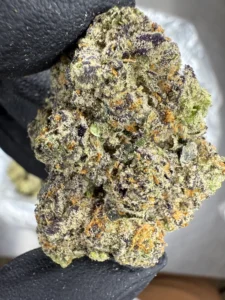
The search for a THCA flower supplier in Europe raises important questions about product information, laboratory testing, supply-chain transparency and national regulations. As interest in hemp-derived cannabinoids continues to generate discussion across the European market, consumers and businesses need reliable information to understand product descriptions and evaluate the documentation associated with cannabis-derived materials. THCA flower supplier Europe.
However, finding a supplier should involve more than comparing product names, photographs or advertised cannabinoid percentages. A responsible assessment begins with understanding what THCA is, how laboratory results should be interpreted, what information should accompany a product and which legal requirements apply in the destination country.
At THCa King Europe, our website provides a place to explore THCA-related information and product categories. This guide explains the considerations that matter when researching a THCA flower supplier in Europe and why transparent documentation and regulatory awareness are essential.
What Is a THCA Flower Supplier? (THCA flower supplier Europe)
A THCA flower supplier is a business or organisation involved in the sourcing, production, processing or distribution of cannabis flower containing tetrahydrocannabinolic acid, commonly known as THCA.
THCA is a naturally occurring acidic cannabinoid found in cannabis plants. It is chemically related to delta-9 THC but is not identical to it. When exposed to heat, THCA can undergo decarboxylation, a chemical process that converts it into delta-9 THC.
This distinction is important when reviewing laboratory reports and product descriptions. A label that highlights THCA content does not, by itself, establish the legal classification of the material.
Anyone researching suppliers should therefore understand the difference between cannabinoid terminology, laboratory measurements and the applicable legal definition of cannabis in the country concerned.
For more background, visit the THCa King Europe website and explore the available educational material in the THCa King Europe blog.
Why Supplier Transparency Matters in Europe
Europe is not one uniform market when it comes to cannabis regulation. Individual countries apply different rules to cannabis cultivation, possession, processing, distribution and commercial products.
The European Union Drugs Agency explains that cannabis-derived products can fall under different regulatory frameworks depending on their composition, intended use and classification. Its guidance also highlights that rules applicable to industrial hemp do not automatically apply to every cannabis-derived product.
This means that a supplier’s statement that a product is hemp-derived or contains a particular percentage of THC should not be treated as proof that the product is lawful in every European country.
When researching a THCA flower supplier in Europe, transparency should include:
- A clearly identified business and responsible contact.
- Accurate product descriptions.
- Available and relevant laboratory documentation.
- Traceable batch information.
- Clear explanations of testing methods.
- Honest statements about product limitations.
- An understanding of the regulations applicable to the relevant market.
A professional online presence is useful, but it should be supported by verifiable information rather than marketing language alone.
Important Quality Considerations When Evaluating THCA Flower
Product quality is a broad concept. It can involve the consistency of the material, its documented composition, storage history, packaging and the reliability of the information supplied with it.
When comparing descriptions from different suppliers, it is helpful to consider several factors.
1. Accurate Product Information
A product description should identify the material clearly and avoid exaggerated or unsubstantiated claims.
Descriptions should not present a strain name as proof of genetic authenticity. Names such as Blue Dream, Gelato or Sour Diesel may be used commercially, but the name alone cannot establish a product’s genetics, origin or cannabinoid composition.
A transparent description should distinguish confirmed information from characteristics that have not been independently verified.
You can explore the website’s general product categories through the THCa King Europe shop.
2. Laboratory Testing
Laboratory testing is an important part of evaluating cannabis-derived materials.
A Certificate of Analysis, commonly called a COA, is a laboratory document that reports the results of specified tests performed on a submitted sample.
Depending on the laboratory and testing scope, a report may include:
- Cannabinoid profile.
- THCA concentration.
- Delta-9 THC concentration.
- Other measured cannabinoids.
- Certain pesticide residues.
- Heavy metals.
- Microbiological contaminants.
- Residual solvents, where relevant.
Not every COA includes every test. Therefore, readers should examine the actual test panel rather than assuming that a certificate guarantees comprehensive product safety.
A COA also does not automatically establish legal authorisation. It reports analytical findings for a sample; it does not replace regulatory approval or a legal assessment.
3. Batch Traceability
Traceability helps connect product documentation to the material being described.
A useful documentation system should identify the relevant batch or lot number and make it possible to understand which laboratory report relates to which sample.
When a certificate cannot be connected to a specific batch, its usefulness is limited.
For businesses researching a potential supplier, traceability is especially important because a report for one sample cannot automatically establish the composition of every other batch.
4. Honest Product Descriptions
A supplier should avoid unsupported claims about potency, purity, origin, effects or legal status.
Photographs can help illustrate a product category, but they cannot verify laboratory results or establish that the photographed material is identical to a tested sample.
Clear descriptions and accessible supporting documents provide a more meaningful basis for evaluating a business than promotional statements alone.
Understanding THCA and Delta-9 THC
One of the most important subjects when researching a THCA flower supplier in Europe is the relationship between THCA and delta-9 THC.
THCA is the acidic precursor of delta-9 THC. In its unheated form, THCA has a different chemical structure. When exposed to sufficient heat, it can lose a carboxyl group and convert into delta-9 THC.
This is why cannabinoid terminology matters.
A product description that reports a low delta-9 THC result but a high THCA result should not be interpreted as proof that the material is outside drug-control legislation.
Legal definitions differ. Some rules consider particular cannabinoids separately, while others may use broader definitions or account for total THC. The relevant national legislation must be checked before drawing conclusions.
For an introduction to the subject, explore the THCa King Europe blog.
European Regulations: Why Country-by-Country Checks Are Essential
A common misconception is that a single THC threshold automatically makes every cannabis-derived product lawful throughout Europe.
That is not a reliable interpretation of European regulation.
EU agricultural rules include provisions for qualifying industrial hemp varieties and particular agricultural purposes. Those provisions should not be confused with blanket authorisation for commercial cannabis flower or other products containing cannabinoids.
The European Union Drugs Agency provides an overview of the legal frameworks that can apply to cannabis and cannabis-derived products. Its guidance explains that national approaches can differ and that additional rules may apply depending on the product category.
Before treating any supplier or product as suitable for a particular European market, relevant parties should establish:
- How the material is legally classified in the destination country.
- Whether THCA or related cannabinoids are specifically controlled.
- Whether possession, supply, processing or commercial distribution is restricted.
- Whether import and export requirements apply.
- Whether additional product-specific regulations are relevant.
- Whether the available documentation is sufficient for the intended activity.
A supplier should never promise that a product is legal in every European country without a sound legal basis.
Questions to Ask When Researching a THCA Flower Supplier
A structured evaluation can help distinguish useful documentation from unsupported marketing.
Consider asking the following questions:
Is the business identifiable?
Look for a verifiable business identity, appropriate contact information and clear information about the organisation responsible for the material.
Is laboratory documentation available?
Ask whether the relevant reports are genuine, recent enough for the intended assessment and linked to identifiable samples or batches.
What exactly does the laboratory report measure?
Check whether the document reports THCA, delta-9 THC and other relevant cannabinoids. Review the analytical methods and limits of quantification where provided.
Does the documentation cover contaminants?
A cannabinoid profile alone is not a comprehensive safety assessment. Establish which additional tests were actually performed.
Can the product’s origin be substantiated?
Where origin or cultivation information is advertised, look for supporting records rather than relying solely on a strain name or product photograph.
Has the destination country’s law been reviewed?
A business should not assume that the rules in its own country are identical to those in another European jurisdiction.
These questions can help businesses and consumers approach supplier research more carefully and make better-informed decisions.
The Importance of Responsible Online Information
Searching for a THCA flower supplier in Europe often produces websites with similar product names, photographs and promotional descriptions. This makes accurate information particularly important.
A useful website should help visitors understand the terminology, identify relevant documentation and distinguish factual statements from marketing claims.
The THCa King Europe homepage provides an entry point to the website, while the shop section and blog section provide additional places to explore the site’s information.
Visitors should review product information carefully and independently verify any legal or regulatory questions that affect their country.
A responsible online business should avoid misleading guarantees, unsupported medical claims and statements suggesting that all cannabis-derived products are universally authorised.
Why Laboratory Documentation Should Not Be Confused With Legal Approval
A frequent source of confusion is the assumption that a laboratory certificate makes a product legally compliant.
These are separate questions.
A laboratory can report the cannabinoid composition of a submitted sample. It cannot, simply by issuing a COA, determine whether the material may legally be possessed, sold, imported or distributed in every country.
Legal classification may depend on the applicable legislation, the exact composition of the material, its intended purpose and the activity being undertaken.
The European Union Drugs Agency’s guidance on medical and commercial cannabis-derived products is a useful starting point for understanding these distinctions.
Businesses should obtain appropriate legal and regulatory advice before undertaking activities involving controlled or potentially controlled materials.
Frequently Asked Questions About THCA Flower Suppliers in Europe
What should I look for in a THCA flower supplier in Europe?
Look for accurate business information, clear product descriptions, relevant laboratory reports, batch traceability and transparent explanations of applicable regulatory requirements. Do not rely solely on advertised cannabinoid percentages or product photographs.
Is THCA flower legal throughout Europe?
No single answer applies to every European country. National legislation differs, and the classification of THCA-containing material can depend on the relevant legal definitions and circumstances. Check the current rules in the specific country.
What is a THCA Certificate of Analysis?
A Certificate of Analysis is a laboratory report that records the results of specified tests on a submitted sample. It may include cannabinoid measurements and other analytical results, depending on the testing scope.
Does a low delta-9 THC result prove that THCA flower is legal?
No. A low delta-9 THC result does not automatically establish legality. Some legal frameworks may consider THCA or total THC, and other national restrictions may apply.
Why is batch traceability important?
Traceability helps connect a particular product batch to the relevant documentation. Without that connection, it can be difficult to establish whether a laboratory report relates to the material being described.
Where can I find more THCA-related information?
You can visit THCa King Europe and explore the blog for additional educational content.
Final Thoughts: Researching a THCA Flower Supplier in Europe
Finding reliable information about a THCA flower supplier in Europe requires more than comparing product descriptions. A careful assessment should consider business transparency, laboratory documentation, batch traceability, accurate cannabinoid information and the legal requirements of the relevant country.
THCA and delta-9 THC are chemically related but distinct, and Europe) laboratory result should never be treated as automatic proof of legal authorisation.
For readers researching the subject, THCa King Europe provides a starting point for exploring THCA-related information, with additional website resources available through the shop and blog.
Above all, responsible research means checking reliable documentation, avoiding unsupported claims and verifying national regulations before making decisions involving cannabis-derived materials.