The search for a reliable THCA flower distributor often involves more than finding a business with an online catalogue. Understanding the distribution process, checking product documentation and evaluating regulatory requirements are all important when researching cannabis-derived materials in Europe.
As interest in cannabinoids and hemp-related products continues to generate commercial and public discussion, the terminology used by businesses has become increasingly important. Supplier, distributor, wholesaler and retailer are sometimes used interchangeably, even though they describe different roles in a supply chain.
For anyone researching THCA flower distribution, it is essential to understand what these terms mean, how laboratory documentation should be assessed and why national legislation matters. A business operating in one European country cannot automatically assume that its products or activities are permitted in another.
At THCa King Europe, visitors can explore THCA-related website information and educational resources. This guide examines the considerations associated with THCA flower distributors, with particular attention to transparency, traceability and regulatory awareness.
What Is a THCA Flower Distributor?
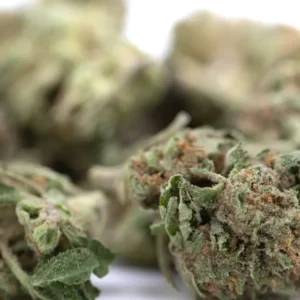
A THCA flower distributor is a business involved in the distribution or supply-chain management of cannabis flower containing tetrahydrocannabinolic acid, commonly called THCA.
Depending on the business model, distribution may involve coordinating products from producers, managing documentation, handling inventory or supplying products to other businesses. The exact activities and legal responsibilities depend on the country, the type of material and the relevant authorisations.
It is useful to distinguish between four common supply-chain terms:
- Producer: An organisation responsible for cultivating or manufacturing a material.
- Supplier: A business that provides products or materials to another party.
- Distributor: A business involved in moving products through a supply chain or making them available to other parties.
- Retailer: A business that sells products directly to end customers.
One company may perform several of these functions, but the terminology should accurately reflect its actual activities.
For more information about THCA-related subjects, visit the THCa King Europe website and explore the THCa King Europe blog.
Understanding THCA and Its Relationship With THC
Before evaluating any THCA flower distributor, it is important to understand the cannabinoid being discussed.
THCA stands for tetrahydrocannabinolic acid. It is an acidic cannabinoid naturally present in cannabis plants and is chemically related to delta-9 THC.
The two compounds are not identical. THCA can undergo a chemical process called decarboxylation when exposed to heat. During this process, it loses a carboxyl group and converts into delta-9 THC.
This distinction matters when interpreting laboratory reports and product descriptions.
A product advertised as containing a high percentage of THCA should not automatically be described as having a low legal THC content. The legal treatment of THCA-containing materials depends on the applicable national legislation and the way relevant substances are defined.
The European Union Drugs Agency provides useful information about cannabis definitions and the different approaches taken by European countries.
Why Distribution Transparency Matters
Distribution involves several stages in the movement of goods and associated information. When cannabis-derived materials are involved, reliable documentation becomes especially important.
A transparent distribution operation should be able to explain the identity of the responsible business, the nature of the material, the origin of relevant documentation and the relationship between a product batch and its test results.
Important transparency considerations include:
1. Business Identity
A distributor should provide clear information about the organisation responsible for its activities.
Depending on the applicable requirements, useful information may include:
- Registered business name.
- Business registration details.
- Verifiable contact information.
- Relevant operating address.
- Information about the organisation’s role in the supply chain.
- Applicable licences or authorisations, where required.
A professional-looking website alone does not establish that a business is authorised to conduct regulated activities.
2. Product Identification
Product descriptions should be clear and accurate. A distributor should not rely on attractive photographs or strain names as substitutes for verifiable product information.
For example, names such as Blue Dream, Gelato, Sour Diesel and Wedding Cake are commonly encountered in cannabis-related product descriptions. However, a name alone does not establish genetic authenticity, cultivation origin or cannabinoid composition.
Where a business advertises particular product characteristics, those claims should be supported by appropriate records.
Visitors can explore the general information available through the THCa King Europe website.
3. Documentation and Record Keeping
Good documentation helps establish what a product is, where its information originated and which analytical results relate to it.
Depending on the material and applicable regulations, records may include product identification, batch references, laboratory reports, supplier documentation and relevant transport or import records.
Documentation should be accurate, consistent and available for appropriate verification.
Laboratory Testing and Certificates of Analysis
One of the most important subjects when evaluating a THCA flower distributor is laboratory documentation.
A Certificate of Analysis, or COA, is a document reporting the results of specified tests performed on a submitted sample. Depending on the laboratory and testing scope, it may contain information about cannabinoid concentrations and certain contaminants.
A cannabinoid analysis may report:
- THCA concentration.
- Delta-9 THC concentration.
- CBD concentration.
- Other measured cannabinoids.
- Total THC calculations, where applicable.
- Analytical methods and measurement limits.
Additional testing may cover pesticide residues, heavy metals, microbial contamination or other substances.
However, it is important to understand the limitations of laboratory reports.
A COA does not necessarily cover every possible contaminant. It does not automatically prove that every item in a batch has the same composition as the submitted sample. It also does not establish that a product is legally authorised for sale or distribution.
When reviewing a certificate, check:
- The name and identity of the laboratory.
- The date of testing.
- The sample identification.
- The batch or lot reference, where provided.
- The cannabinoids actually measured.
- The analytical methods used.
- The tests that were not included.
A distributor should not advertise a product as comprehensively tested when the available report only covers a limited cannabinoid panel.
Batch Traceability in the THCA Distribution Process
Traceability is the ability to connect a product to relevant information about its identity and history.
For businesses operating in regulated supply chains, traceability can help identify where a material originated, which batch it belongs to and which documents relate to it.
Useful traceability information may include:
- Product or batch identification.
- Relevant supplier records.
- Laboratory sample references.
- Dates associated with testing or processing.
- Inventory records.
- Applicable transport documentation.
The purpose of traceability is not simply to create paperwork. It is to make product information more reliable and easier to verify.
For example, a laboratory report should be connected to the material it describes. If a report cannot be linked to an identifiable sample or batch, it is difficult to establish how relevant the results are to a particular product.
THCA Flower Distribution in Europe: Understanding the Regulations
European cannabis regulation is not completely uniform.
Although European Union legislation establishes certain common frameworks, national governments also apply their own rules concerning cannabis, controlled substances, industrial hemp and commercial products.
The European Union Drugs Agency’s Cannabis Laws in Europe FAQ, revised on 21 April 2026, provides an overview of these differences. It also discusses medical and commercial cannabis-derived products, illustrating why the classification of a product matters.
Importantly, agricultural rules concerning qualifying industrial hemp do not automatically authorise every product made from cannabis flowers.
A THCA-containing material may be treated differently depending on:
- Its cannabinoid composition.
- The applicable legal definition of cannabis.
- Whether THCA is specifically controlled.
- Whether total THC is relevant under national law.
- The intended purpose of the material.
- The activity being undertaken.
- The rules governing possession, supply, import and distribution.
A distributor should never assume that a product permitted under one country’s rules can automatically be distributed throughout the European market.
Country-Specific Compliance
Before engaging in any distribution-related activity, the applicable requirements of the destination country must be examined.
A proper assessment should establish:
Product classification: How does the destination country’s legislation classify the particular material?
Controlled-substance requirements: Are THCA, delta-9 THC or related substances specifically regulated?
Business authorisation: Does the activity require a licence, registration or other approval?
Import and export rules: Are there restrictions or documentation requirements for moving the material across borders?
Product-specific requirements: Do additional rules apply because of the material’s intended use or presentation?
These questions are particularly important when a business uses the phrase THCA flower distributor Europe. The phrase may describe a search topic or business category, but it does not establish that a particular product can lawfully be distributed across every European country.
What Makes Distribution Information Reliable?
When researching a THCA flower distributor, readers should pay attention to the quality of the information provided.
Reliable information is generally specific, consistent and capable of being checked.
For example, a clear laboratory report is more useful than a general statement that a product has been tested. A batch reference is more meaningful than an unsupported claim of traceability. A precise description of business activities is more informative than a vague statement about European distribution.
The following principles can help when assessing online information:
Accurate Claims
Product descriptions should not exaggerate cannabinoid content, purity, origin or other characteristics.
Verifiable Documentation
Documents should be genuine, relevant and connected to the material they describe.
Clear Legal Language
A business should avoid blanket statements that every THCA-containing product is legal throughout Europe.
Responsible Communication
Websites should distinguish educational information from legal advice, laboratory findings and marketing descriptions.
The THCa King Europe blog can serve as an internal destination for readers looking for additional educational material about THCA terminology and related subjects.
Supplier, Distributor and Wholesale: What Is the Difference?
These three terms often appear together in online searches, but they represent different aspects of commercial activity.
A supplier provides products or materials to another party. A distributor is involved in moving products through a supply chain or making them available to other businesses. Wholesale generally describes a business-to-business sales model involving larger quantities or transactions.
A company may act as both a supplier and distributor, while a wholesale business may purchase products from another organisation and resupply them to retailers.
Understanding these distinctions helps businesses and researchers identify the type of organisation they are looking for.
For additional information, visitors can explore the THCa King Europe shop and the related THCA flower wholesale guide.
Common Mistakes When Researching a THCA Flower Distributor
There are several mistakes that can lead to inaccurate conclusions.
Assuming That a COA Proves Legality
A COA reports laboratory findings. It does not replace legal authorisation or establish that a product may be distributed in a particular country.
Treating Hemp Rules as Universal Cannabis Rules
Rules governing qualifying industrial hemp, including agricultural cultivation provisions, should not be interpreted as blanket permission for every cannabis flower or derivative.
Relying on Strain Names Alone
A commercial strain name does not independently establish genetics, origin or chemical composition.
Ignoring Destination-Country Requirements
A product’s classification and the legality of its distribution can differ between European countries.
Accepting Unsupported Distribution Claims
Statements about international coverage, product availability or legal compliance should be supported by appropriate evidence.
Avoiding these mistakes makes research more accurate and helps distinguish meaningful documentation from promotional language.
Frequently Asked Questions About THCA Flower Distributors
What is a THCA flower distributor?
A THCA flower distributor is a business involved in the distribution or supply-chain management of cannabis flower containing THCA. Its responsibilities depend on its business model and the legal requirements of the relevant country.
What is the difference between a THCA supplier and a distributor?
A supplier provides products or materials to another party. A distributor is generally involved in moving products through a supply chain or making them available to other businesses. One organisation may perform both functions.
How can I evaluate a THCA flower distributor?
Review the business identity, product descriptions, relevant laboratory reports, batch traceability and applicable legal requirements. Avoid relying solely on advertised cannabinoid percentages or promotional claims.
Does a Certificate of Analysis prove that THCA flower is legal?
No. A Certificate of Analysis reports the results of specified laboratory tests. It does not establish whether possession, sale, import or distribution is authorised under national law.
Is THCA flower distribution legal throughout Europe?
There is no single blanket answer. European countries have different cannabis laws, and the legal classification of THCA-containing materials depends on the relevant national framework and circumstances.
Why is traceability important for distributors?
Traceability helps connect products to their relevant documentation, sample references and batch information. It supports more reliable verification and record keeping.
Where can I find more information about THCA?
You can visit THCa King Europe and explore its blog section for additional THCA-related educational content.
Final Thoughts: Choosing the Right Approach to THCA Flower Distribution
Researching a THCA flower distributor requires a careful approach to product information, documentation and national regulations.
The most important considerations include accurate product descriptions, relevant laboratory reports, identifiable batches, transparent business information and a clear understanding of the destination country’s legal framework.
THCA and delta-9 THC are chemically related but distinct compounds. Their legal treatment should not be assumed to be identical in every jurisdiction. Similarly, an agricultural hemp threshold or a laboratory result should not be interpreted as universal authorisation for commercial distribution.
For readers exploring THCA-related topics, THCa King Europe provides an online starting point, with additional resources available through the shop and blog.
Ultimately, transparent information and careful regulatory research are essential when evaluating any business operating in the cannabis-derived products sector.