The term exotic THCA flower is increasingly used in discussions about premium cannabis varieties, distinctive strain characteristics and different cultivation methods. People researching exotic THCA flower often want to understand what makes a particular variety different, how genetics influence its characteristics, what terpenes are, and how laboratory testing can help verify product information.
However, the word exotic is not a formal scientific classification or a guaranteed quality standard. It is commonly used as a descriptive or marketing term for cannabis varieties associated with distinctive aromas, unusual genetic backgrounds, particular cannabinoid profiles or visually recognisable characteristics.
Understanding these distinctions is important when evaluating product descriptions and comparing different flower categories.
At THCa King Europe, our educational resources help readers explore THCA terminology, flower varieties, cultivation methods and laboratory testing. This guide explains the meaning of exotic THCA flower and the factors that can influence how different varieties are described and assessed.
What Is Exotic THCA Flower?
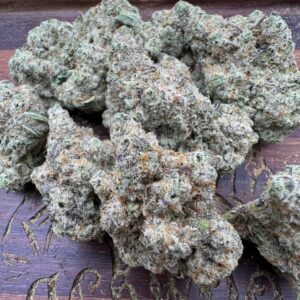
Exotic THCA flower generally refers to cannabis flower marketed as an unusual, distinctive or premium variety. The term may be associated with particular strain genetics, complex aromatic profiles, colourful appearances or uncommon combinations of plant characteristics.
Unlike scientific terms such as THCA or delta-9 THC, the word exotic does not have one universally accepted technical definition.
A flower described as exotic might be associated with:
- Distinctive strain names and genetic backgrounds.
- Unusual combinations of aromatic compounds.
- Different visual characteristics.
- Particular cannabinoid profiles.
- Indoor, greenhouse or other cultivation environments.
- Limited or specialised cultivar selections.
These characteristics should be evaluated individually rather than assuming that every product labelled exotic has the same qualities.
For a broader introduction to the category, explore our THCA flower guide.
What Makes a THCA Flower Variety Exotic?
There is no single characteristic that determines whether a cannabis variety is exotic. The description usually reflects a combination of genetics, chemical composition, appearance and market positioning.
1. Distinctive genetics
Plant genetics play an important role in determining the characteristics of a cannabis variety.
Different cultivars can have different inherited characteristics, including growth patterns, cannabinoid production and aromatic compound profiles.
Some varieties are marketed as exotic because of their particular genetic background or because they combine characteristics associated with several recognised cultivars.
However, a strain name does not independently verify a plant’s genetic identity. Accurate identification requires reliable supporting information.
2. Aromatic characteristics
Aroma is one of the most frequently discussed features of exotic cannabis flower.
Cannabis contains a range of volatile organic compounds, including terpenes. These compounds are found in many plants and contribute to their distinctive aromas.
Examples of commonly discussed cannabis terpenes include:
- Myrcene: A terpene found in various plants and commonly reported in cannabis chemical profiles.
- Limonene: Associated with citrus-like aromatic characteristics.
- Caryophyllene: Found in plants such as black pepper and cloves.
- Pinene: Associated with pine-like aromas.
- Linalool: Commonly associated with floral aromas.
Aromatic descriptions are not substitutes for laboratory results. A product described as citrus-like or floral should not automatically be assumed to contain a particular terpene in a specific concentration.
3. Visual characteristics
Some exotic flower descriptions refer to distinctive visual features, including variations in colour, flower structure and visible surface characteristics.
These characteristics can vary with genetics and growing conditions.
Nevertheless, visual appearance alone cannot establish cannabinoid concentration, purity, product safety or legal status.
4. Cultivation background
Exotic varieties may be associated with different cultivation environments, including indoor and greenhouse facilities.
The cultivation environment can influence plant development, but the label alone does not establish the quality of the final product.
You can learn more about cultivation differences in our guides to indoor THCA flower and premium THCA flower.
Understanding Popular Exotic THCA Flower Strains
Cannabis strain names are often used to distinguish varieties with different reported genetic backgrounds and characteristics.
Some names frequently encountered in discussions about exotic cannabis include:
Lemon Cherry Gelato
Lemon Cherry Gelato is a recognised cannabis cultivar name commonly associated with dessert-inspired aromatic descriptions.
The name is often used in discussions about varieties with citrus and sweet-fruit associations. Actual chemical composition can differ between samples and producers.
Runtz
Runtz is another widely recognised cultivar name. It is commonly discussed in connection with fruit-inspired aromatic descriptions and hybrid genetic backgrounds.
The name alone does not guarantee a particular cannabinoid or terpene profile.
Zkittlez
Zkittlez is associated with fruit-inspired cultivar descriptions. It is frequently mentioned in discussions about aromatic diversity among modern cannabis varieties.
Oreoz
Oreoz is a cultivar name often associated with dessert-inspired descriptions. As with other varieties, laboratory analysis is needed to establish the chemical profile of an individual sample.
GMO
GMO, sometimes referred to as Garlic Cookies, is known for a distinctive cultivar name and is commonly associated with savoury aromatic descriptions.
Wedding Cake
Wedding Cake is another recognised cannabis cultivar name frequently discussed in relation to dessert-inspired characteristics.
For additional information about strain terminology, visit the THCA flower strains guide.
Important: These names are cultivar descriptions, not guarantees of authenticity, potency, effects or chemical composition. Products carrying the same strain name can differ considerably.
Exotic THCA Flower vs Premium THCA Flower
Exotic and premium are two terms frequently used in cannabis product descriptions. Although they can overlap, they do not mean exactly the same thing.
Exotic usually refers to perceived distinctiveness, unusual characteristics or particular cultivar descriptions.
Premium generally communicates a quality positioning, but it also requires evidence if it is being used to make measurable quality claims.
| Comparison | Exotic THCA flower | Premium THCA flower |
|---|---|---|
| Main description | Distinctive or unusual variety | Marketed as a higher-quality category |
| Main emphasis | Genetics, aroma and appearance | Overall quality characteristics |
| Cultivation | May vary | May vary |
| Cannabinoid profile | Requires laboratory verification | Requires laboratory verification |
| Quality guarantee | Not implied by the word exotic | Not implied by the word premium |
A product can be described as both exotic and premium, but neither label replaces product-specific evidence.
Read more about this distinction in our premium THCA flower guide.
Exotic Indoor THCA Flower: Understanding the Cultivation Method
Indoor cultivation is one of the growing methods associated with products marketed as exotic THCA flower.
Indoor facilities generally use artificial lighting and environmental systems to manage growing conditions. The level of control depends on the facility and its equipment.
Environmental factors that can influence plant development include:
- Light exposure.
- Temperature.
- Relative humidity.
- Air movement.
- Plant genetics.
- Growing medium and nutrient management.
Indoor cultivation does not automatically guarantee a particular cannabinoid concentration or product grade.
Similarly, greenhouse and outdoor cultivation can produce different characteristics depending on genetics and environmental conditions.
To understand these differences in more detail, visit our indoor THCA flower resource.
THCA, THC and CBD: What Is the Difference?
Understanding the chemistry of cannabis is essential when comparing exotic THCA flower descriptions.
What is THCA?
THCA stands for tetrahydrocannabinolic acid. It is an acidic cannabinoid naturally found in raw cannabis plant material.
THCA is chemically related to delta-9 THC, but the two compounds are not identical.
When exposed to heat, THCA can undergo decarboxylation, a chemical process that converts it into delta-9 THC.
What is delta-9 THC?
Delta-9 THC, or delta-9-tetrahydrocannabinol, is the cannabinoid most commonly associated with the intoxicating effects of cannabis.
The difference between THCA and THC is important when interpreting laboratory reports and regulatory requirements.
What is CBD?
CBD stands for cannabidiol. It is another cannabinoid found in cannabis and hemp varieties.
CBD is chemically different from delta-9 THC and does not produce the same intoxicating effects.
Why should these measurements be separated?
A product’s THCA percentage should not be confused with its delta-9 THC percentage.
Some laboratory reports also provide a theoretical total THC calculation:
Total THC = delta-9 THC + (THCA × 0.877)
The factor 0.877 accounts for the molecular-weight difference when THCA loses carbon dioxide during decarboxylation.
This is a theoretical calculation. It does not replace a regulator’s specific analytical method or legal definition of THC.
For further background, consult the European Union Drugs Agency’s explanation of cannabis definitions and chemical composition.
How to Evaluate an Exotic THCA Flower Certificate of Analysis
A Certificate of Analysis, commonly called a COA, is a laboratory report describing the results of specified tests performed on a submitted sample.
It can help readers understand the chemical composition of a product, but not every COA covers the same tests.
Here are important details to examine.
1. Cannabinoid concentration
Look for reported measurements of:
- THCA.
- Delta-9 THC.
- CBD.
- CBG.
- Other cannabinoids included in the test.
Check the measurement units and whether results are expressed as percentages or another format.
2. Terpene analysis
Some laboratories provide terpene profiles alongside cannabinoid results.
A terpene report may identify individual compounds and their measured concentrations.
This is more useful than relying solely on marketing descriptions such as fruity, citrusy, floral or earthy.
3. Contaminant screening
Depending on the testing package, a COA may include results for:
- Pesticide residues.
- Heavy metals.
- Microbial contamination.
- Mycotoxins.
- Residual solvents, where relevant.
A report that only measures cannabinoids does not establish that all these potential contaminants have been tested.
4. Laboratory information
Check the laboratory’s name, report date, sample identification and analytical methods.
Where available, look for information about laboratory accreditation and the scope of its testing.
5. Batch traceability
A COA relates to the particular sample submitted to the laboratory.
It does not automatically establish that every item in a batch has exactly the same composition. Batch identification and appropriate sampling procedures are therefore important.
For scientific information about cannabis analysis, consult the United Nations Office on Drugs and Crime’s recommended analytical methods.
Is Exotic THCA Flower Legal in Europe?
The legal status of exotic THCA flower varies between European countries.
There is no single blanket EU rule that makes every cannabis flower product legal simply because it is described as hemp-derived, exotic or low in delta-9 THC.
National legislation may consider:
- The botanical material involved.
- THCA and delta-9 THC concentrations.
- The product’s intended use.
- Whether the product is processed or unprocessed.
- Applicable controlled-substance definitions.
- Licensing and authorisation requirements.
- Import, export and commercial supply rules.
The European Commission’s industrial hemp framework concerns specified agricultural activities. It should not be interpreted as general permission to market every cannabis flower or cannabis-derived product.
The European Union Drugs Agency explains that cannabis laws differ between countries and that multiple regulatory frameworks may apply to cannabis-derived commercial products.
For reliable background information, consult:
- European Commission – Hemp
- EUDA – Cannabis laws in Europe FAQ
- EUDA – Laws covering commercial cannabis-derived products
A low delta-9 THC result does not automatically establish that an exotic THCA flower product is lawful. Always check the current official rules in the relevant country before making assumptions about possession, importation, distribution or sale.
Why Product Transparency Matters
Product transparency is important whenever a product is described using terms such as exotic, premium, indoor or high-THCA.
A clear product description should distinguish between verified information and promotional language.
For example:
- A strain name describes a claimed variety, not independently verified genetics.
- An exotic label describes market positioning, not a formal quality grade.
- A THCA percentage should be supported by an appropriate laboratory result.
- A terpene description should be supported by relevant testing if presented as a measured profile.
- A COA should identify the sample and tests performed.
- Legal claims should reflect the rules of the relevant jurisdiction.
Readers interested in learning more can visit the THCa King Europe homepage, browse the THCA flower section or explore the THCA flower Europe guide.
Frequently Asked Questions About Exotic THCA Flower
What does exotic THCA flower mean?
Exotic THCA flower is a descriptive term commonly used for cannabis varieties marketed as distinctive or unusual. It may refer to genetics, aroma, appearance or other characteristics. It is not a formal scientific classification.
What makes exotic THCA flower different from regular THCA flower?
The distinction is generally based on marketing and perceived cultivar characteristics. The word exotic does not establish a specific cannabinoid concentration or quality grade.
Is exotic THCA flower the same as premium THCA flower?
No. Exotic generally describes perceived distinctiveness, while premium is a quality-positioning term. Both descriptions require supporting product information if they are used to make measurable claims.
What are popular exotic THCA strains?
Names commonly discussed in the wider cannabis market include Lemon Cherry Gelato, Runtz, Zkittlez, Oreoz, GMO and Wedding Cake. The chemical profile of any particular sample requires laboratory verification.
Does exotic THCA flower always have high THCA content?
No. The term exotic does not establish cannabinoid concentration. A laboratory report is needed to support a specific THCA percentage.
How can I identify the terpene profile?
Look for a laboratory report that includes terpene analysis. Aroma descriptions alone cannot establish the identity or concentration of individual terpenes.
Is exotic THCA flower legal throughout Europe?
No universal permission applies across Europe. National cannabis laws differ, and the legal status of a product depends on its composition, classification and applicable national regulations.
Does a COA guarantee product quality?
A COA provides results for the tests performed on a submitted sample. It does not necessarily cover every contaminant or establish that all products in a batch are identical.
Conclusion: Understanding Exotic THCA Flower
Exotic THCA flower is a broad descriptive category associated with distinctive cannabis varieties, genetic backgrounds, aromatic characteristics and visual features.
However, the term should not be confused with a scientific quality grade or a guarantee of cannabinoid concentration. A more reliable assessment considers cultivar information, laboratory testing, terpene analysis, sample traceability and the growing environment.
Understanding the differences between exotic, indoor and premium flower categories also makes it easier to interpret product descriptions and avoid misleading assumptions.
For more educational information about cannabis terminology, varieties and cultivation, explore THCa King Europe, read our THCA flower guide and discover more about THCA flower strains.