The term Bulk THCA Pound is commonly used in online searches by people researching large-quantity cannabis flower products, wholesale terminology, product specifications and cannabinoid testing. Understanding what this term means requires more than looking at a product title. Weight, cannabinoid composition, batch documentation, product grading and applicable legislation are all important considerations.
THCA, or tetrahydrocannabinolic acid, is a naturally occurring cannabinoid acid found in cannabis plants. It is chemically different from delta-9 THC, although heat can convert THCA into THC through a process called decarboxylation.
At THCa King Europe, we aim to provide educational information that helps visitors understand THCA terminology, product descriptions and quality documentation. This guide explains the meaning of a THCA pound, how cannabinoid content is measured, what laboratory reports can establish and why European legal requirements must be considered when researching bulk cannabis products.
What Does Bulk THCA Pound Mean?
A Bulk THCA Pound generally refers to a large-quantity cannabis flower product described as containing THCA and marketed using the weight measurement of one pound.
The word “bulk” describes the quantity or packaging format, while “THCA” identifies the cannabinoid associated with the product. The term “pound” describes its stated weight.
One international avoirdupois pound equals:
- 16 ounces
- Approximately 453.59 grams
- Approximately 0.454 kilograms
This is a standard weight conversion, not confirmation of the actual net weight of any particular product. The packaging label, product specification and relevant weighing documentation should establish the actual quantity.
When reviewing a bulk product description, it is useful to distinguish between the advertised weight, the net product weight and the total packaged weight. Packaging materials should not be confused with the weight of the product itself.
Understanding THCA in Cannabis Flower
THCA stands for tetrahydrocannabinolic acid. It is one of the cannabinoid acids naturally produced by cannabis plants.
THCA and THC are chemically different compounds. THCA can undergo decarboxylation when exposed to sufficient heat, converting into delta-9 THC.
This distinction is important when interpreting product labels and laboratory reports. A product advertised with a particular THCA percentage should not automatically be described as containing the same percentage of delta-9 THC.
The European Union Drugs Agency (EUDA) provides information about cannabis chemistry and explains why the distinction between THCA and THC matters when determining cannabinoid content.
For more information, consult the official EUDA guide to cannabis definitions and chemistry.
How Is THCA Content Measured?
Cannabinoid content is commonly reported as a percentage by weight or as a quantity measured in milligrams. The meaning of a reported figure depends on the laboratory method and the way the result is presented.
For example, a laboratory report might separately identify:
- THCA
- Delta-9 THC
- CBD
- CBDA
- Other cannabinoids included in the analytical panel
These measurements should not be treated as interchangeable.
Some reports may also include a calculated total THC figure. Such calculations use assumptions about the conversion of THCA into THC and should be interpreted according to the laboratory’s stated methodology.
The EUDA explains that measuring THCA and THC in cannabis products requires attention to how the compounds are defined and reported.
When comparing product specifications, always look for a laboratory report that clearly identifies the individual cannabinoid measurements rather than relying exclusively on a headline percentage.
What Is a Certificate of Analysis?
A Certificate of Analysis, commonly called a COA, is a laboratory document that records the results of tests performed on a submitted sample.
For a cannabis-related product, a COA may include cannabinoid measurements and selected contaminant tests, depending on the laboratory and the testing programme.
A useful COA should provide several details.
1. Sample and Batch Identification
The report should identify the sample tested and, where applicable, its production batch. This helps establish whether the document relates to the product being described.
A report for an unrelated sample cannot automatically verify another product or production batch.
2. Cannabinoid Profile
Check which cannabinoids were included in the analysis. THCA and delta-9 THC should be distinguished where both are measured.
The report should also make clear whether values are expressed as percentages, milligrams per gram or another unit.
3. Laboratory Identification
A credible report should identify the laboratory, testing date and analytical methods used.
Where relevant, buyers and regulators may also need to consider the laboratory’s accreditation and scope of testing.
4. Contaminant Testing
Depending on the product and applicable requirements, laboratory testing may include selected checks for pesticides, heavy metals, residual solvents or microbiological contaminants.
A COA does not prove that every possible contaminant has been tested. It only documents the analyses actually performed on the submitted sample.
5. Report Relevance
The sample information should correspond to the product and batch being assessed. Checking the batch number and date is an important part of evaluating the document.
What Influences the Quality of Bulk THCA Flower?
The quantity described by a product listing does not establish its quality. Two products advertised at the same weight can differ considerably in their characteristics and documentation.
Several factors deserve consideration when reading product information.
Genetics: Different cannabis varieties can have different cannabinoid profiles and physical characteristics. A strain name alone does not prove a particular chemical composition.
Cultivation method: Indoor, outdoor and mixed-light cultivation describe different approaches to growing cannabis. None of these labels independently guarantees a particular cannabinoid percentage or quality grade.
Harvesting and handling: Harvesting, drying, curing, trimming and packaging can influence the condition of flower after cultivation.
Storage: Packaging and storage conditions can affect product condition over time. Product documentation should include appropriate storage information where relevant.
Testing and traceability: Batch-specific testing and clear product identification help distinguish verified information from unsupported marketing descriptions.
Grading terminology: Terms such as smalls, micros, trim and premium flower may be used by suppliers, but grading standards are not necessarily identical across different businesses.
For this reason, product quality should be assessed through a combination of relevant documentation and clearly stated specifications rather than relying on one marketing term.
Understanding Bulk Weight and Product Specifications
The word “pound” can make a product description appear straightforward, but accurate weight information is important when reviewing large-quantity listings.
A product specification should make clear whether the stated quantity refers to:
- Net product weight.
- Gross packaged weight.
- A nominal or advertised quantity.
- An individual unit or a combined package.
One pound is approximately 453.59 grams. A product advertised as a pound should have its actual net weight confirmed through the applicable product label and weighing records.
Clear measurements help prevent misunderstandings when comparing product descriptions and assessing whether documentation corresponds to the advertised quantity.
Is Bulk THCA Pound Legal in Europe?
The legal status of THCA flower and other cannabis-related products varies across European countries. A product should not be assumed legal simply because it is described as hemp-derived, low-THC or THCA-rich.
The European Commission explains that its agricultural framework permits certain hemp varieties to be cultivated for industrial purposes when the applicable conditions are met. Under the Common Agricultural Policy, qualifying hemp varieties must meet the relevant THC requirements and certified-seed conditions.
However, this agricultural framework does not automatically determine the legal status of all cannabis flower, extracts or products intended for other uses.
The EUDA specifically explains that the industrial hemp framework was developed for the hemp industry, including fibre and seeds, and was not intended to establish the safety or legal status of every other cannabis-derived product.
Official resources include:
- European Commission – Hemp and EU Agricultural Rules
- EUDA – Medical and Commercial Cannabis-Derived Products
- EUDA – Cannabis Laws in Europe
Before purchasing, selling, possessing or transporting any cannabis-related product, check the current legislation in the relevant country. Commercial distribution and cross-border movement may involve additional requirements.
Businesses should also obtain appropriate legal advice before offering cannabis flower or cannabinoid products in any European market.
Why Product Transparency Matters
Clear product information is important when researching any cannabis-related product, particularly one advertised in a large quantity.
A reliable product record should identify the product accurately and avoid unsupported claims about cannabinoid content, origin, quality or legal status.
Useful information may include:
- Product name and description.
- Net weight and packaging information.
- Manufacturer or responsible supplier details.
- Batch or lot identification.
- Cannabinoid analysis.
- Relevant contaminant testing.
- Storage and handling information.
- Applicable regulatory documentation.
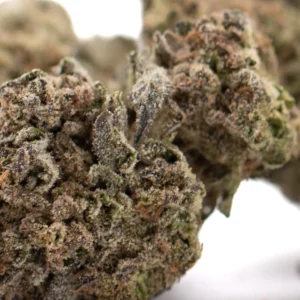
A product photograph or marketing description cannot independently establish its cannabinoid composition or laboratory quality.
Similarly, a laboratory report should not be presented as proof of complete product safety when its scope is limited to a particular sample and set of tests.
Explore THCA Information at THCa King Europe
THCa King Europe provides an online platform where visitors can explore cannabinoid-related information and product categories.
For more information about the website, visit the THCa King Europe homepage.
You can also browse the THCa King Europe shop to review the available categories and product listings.
For additional educational content, visit the THCa King Europe blog.
When reviewing an individual listing, pay attention to its product specifications, available laboratory documents and the legal requirements that apply in your country.
Frequently Asked Questions About Bulk THCA Pound
How many grams are in one pound of THCA flower?
One international avoirdupois pound equals approximately 453.59 grams or 16 ounces. The actual net weight of a particular product should be confirmed using its label and product documentation.
What does Bulk THCA Pound mean?
It generally describes a large-quantity cannabis flower product marketed using a one-pound weight specification and associated with THCA content.
Is THCA the same as THC?
No. THCA is the acidic cannabinoid form naturally produced by cannabis plants. It can convert into delta-9 THC through decarboxylation, but the two compounds are chemically different.
How can THCA content be verified?
A relevant Certificate of Analysis from an identifiable laboratory can provide cannabinoid measurements for a submitted sample. Check the sample identification, batch details, testing date and analytical methods.
Does a high THCA percentage guarantee high product quality?
No. Cannabinoid content is only one part of a product’s specification. Genetics, cultivation, post-harvest handling, storage, traceability and laboratory documentation also matter.
Is Bulk THCA Pound legal throughout Europe?
There is no single answer that applies to every European country. National laws differ, and EU agricultural rules for qualifying industrial hemp do not automatically legalise every THCA flower or cannabis-derived product.
Why is batch identification important?
Batch identification helps connect a product to its relevant production records and laboratory documentation. Without it, it may be difficult to establish whether a particular COA applies to the product being described.
Final Thoughts on Bulk THCA Pound
Understanding Bulk THCA Pound starts with understanding the product terminology, weight specification and cannabinoid composition. One pound is approximately 453.59 grams, but the actual net quantity should always be confirmed through appropriate product documentation.
THCA and THC are different cannabinoids, laboratory reports have specific limitations, and cultivation or grading descriptions do not independently guarantee product quality.
For anyone researching bulk THCA products in Europe, transparent documentation and country-specific legal checks are essential. The European Commission and EUDA provide useful official information about industrial hemp and the wider regulatory framework.
Visit THCa King Europe for further educational information about THCA, cannabinoid terminology and related product categories.