Finding Cheap Indoor THCA Flower can be an interesting starting point for people researching indoor-grown cannabis flower and comparing product information, cultivation methods and laboratory testing. However, a low advertised price should never be the only factor used to evaluate a cannabis product. Understanding how indoor cultivation works, what THCA means, and how to assess product documentation can help readers make more informed decisions.
At THCa King Europe, our educational content aims to help visitors understand THCA flower terminology, product descriptions and the importance of transparent quality information. Whether you are researching affordable indoor THCA flower, comparing different cultivation descriptions or learning about cannabinoid testing, understanding the details behind a product is essential.
This guide explores what indoor THCA flower means, why prices can vary, which quality indicators deserve attention and why European regulations should always be considered.
What Is Cheap Indoor THCA Flower?
The phrase Cheap Indoor THCA Flower generally refers to cannabis flower described as indoor-grown and marketed at a comparatively affordable price. The word “cheap” describes the advertised price position rather than guaranteeing a particular level of quality.
Indoor cultivation means that plants are grown in an enclosed environment where growers can manage factors such as lighting, temperature, humidity and airflow. Compared with outdoor cultivation, indoor growing gives producers greater control over environmental conditions, although the actual results depend on cultivation practices, genetics and post-harvest handling.
THCA stands for tetrahydrocannabinolic acid. It is a cannabinoid acid naturally produced by cannabis plants. THCA is chemically different from delta-9 THC. When exposed to heat, THCA can undergo decarboxylation and convert into THC.
The European Union Drugs Agency explains the relationship between THCA and THC and describes how heating can convert cannabinoid acids into their better-known cannabinoid forms.
For further information, consult the EUDA’s guide to the definition and chemistry of cannabis.
How Is Indoor THCA Flower Cultivated?
Indoor cultivation takes place in controlled growing environments rather than relying entirely on natural outdoor conditions. Growers may use artificial lighting, ventilation systems and environmental monitoring equipment to manage the growing space.
Several factors can influence the final characteristics of indoor-grown flower.
1. Lighting Conditions
Lighting is an important part of indoor cultivation. Producers use artificial lighting systems to provide plants with the light required during different growth stages. Lighting equipment and cultivation schedules can vary considerably between facilities.
However, the presence of indoor lighting alone does not prove that a product is high quality. Cultivation records and independent product testing provide more useful information than a marketing description by itself.
2. Temperature and Humidity
Temperature and humidity management can influence plant development and post-harvest quality. Poor environmental management may contribute to inconsistent results or storage problems.
Responsible producers should maintain appropriate environmental conditions and use suitable handling procedures throughout cultivation and packaging.
3. Airflow and Environmental Management
Air circulation is another important consideration in indoor growing facilities. Proper airflow helps growers manage the environment around their plants.
The actual cultivation standards used by a particular supplier should be confirmed through reliable documentation rather than assumed from the word “indoor.”
4. Harvesting and Post-Harvest Handling
Cultivation is only one part of the production process. Harvesting, drying, curing, trimming, packaging and storage can all affect the condition of the finished flower.
A product that has been grown indoors may still have inconsistent quality if post-harvest handling and storage are inadequate.
Why Can Cheap Indoor THCA Flower Have Different Prices?
The price of indoor THCA flower can vary between suppliers and product listings. An affordable price does not automatically mean poor quality, just as a high price does not guarantee superior quality.
There are several reasons why prices may differ.
Production costs: Indoor cultivation may involve lighting, ventilation, environmental controls, labour and facility expenses. Different production systems can have different operating costs.
Cultivation scale: Larger producers may have different production costs from smaller operations. However, production scale alone does not establish product quality.
Flower grading: Suppliers may separate products according to bud size, appearance or other grading criteria. Their grading systems are not necessarily standardised across the industry.
Packaging and presentation: Packaging materials, labelling and distribution arrangements can influence the final advertised price.
Testing and documentation: Independent laboratory testing and quality-control procedures can add to production costs. Transparent documentation is an important consideration when comparing products.
Supplier and distribution arrangements: Different supply chains, operating expenses and commercial arrangements can also influence pricing.
When researching affordable indoor THCA flower, it is sensible to compare the available product information rather than selecting an option based exclusively on its lowest advertised price.
What Should You Check When Comparing Indoor THCA Flower?
A responsible comparison should focus on product information, traceability and documentation.
Laboratory Testing and Certificates of Analysis
A Certificate of Analysis (COA) is a laboratory document reporting the results of tests performed on a particular sample. Depending on the laboratory and testing scope, it may provide information about cannabinoid content and selected contaminants.
When reviewing a COA, consider the following:
- Whether the report identifies the tested sample or batch.
- Whether the laboratory and testing date are clearly identified.
- Which cannabinoids were included in the analysis.
- Whether the reported values distinguish THCA from delta-9 THC.
- Which contaminants, if any, were tested.
- Whether the report is relevant to the product batch being described.
A COA should not be treated as proof that every possible contaminant has been tested or that an entire production batch is free from every potential risk. Its value depends on the sample, methods and tests actually performed.
Product Descriptions
A clear product description should identify the product accurately and avoid unsupported claims. Information about the product’s origin, cultivation method, batch identification and laboratory documentation can help readers understand what is being offered.
Do not assume that every indoor-grown product has identical characteristics. Growing conditions, genetics and handling can differ.
Appearance and Storage Information
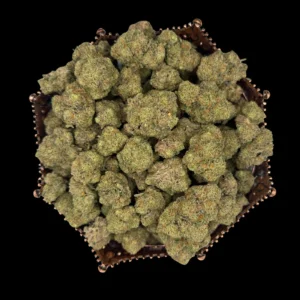
Product photographs can help illustrate a listing, but photographs alone cannot establish cannabinoid content, laboratory results or product safety.
Storage information is also worth reviewing. Packaging should be suitable for protecting the contents from excessive exposure to heat, light and moisture.
Understanding THCA Content
THCA is one of the naturally occurring cannabinoid acids found in cannabis. It is important to understand the difference between THCA and delta-9 THC when reading product descriptions and laboratory reports.
The EUDA explains that THCA can convert into THC through decarboxylation, a process commonly associated with heating. This chemical conversion also affects how cannabin
oid quantities are measured and reported.
For additional technical information, see the EUDA’s cannabis chemistry and definition guide.
A product’s stated THCA percentage should be supported by relevant laboratory documentation. Readers should also check whether a report lists THCA, delta-9 THC or a calculated total cannabinoid figure. These measurements are not necessarily interchangeable.
Is Cheap Indoor THCA Flower Legal in Europe?
Cannabis laws differ between European countries. A product description, advertised cannabinoid percentage or reference to industrial hemp does not automatically establish that a particular THCA flower product is legal in every European market.
The European Union Drugs Agency explains that there is no single harmonised EU law covering all aspects of illicit cannabis use and personal possession. Individual Member States apply their own national legislation, and the rules governing cannabis-derived commercial products can also vary.
It is particularly important not to confuse the EU’s agricultural rules for industrial hemp with the legal status of every cannabis flower product. The EUDA notes that the industrial hemp framework was developed for the hemp industry, including fibre and seeds, and was not intended to determine the status or safety of all other cannabis products.
Before purchasing, selling, possessing or transporting a cannabis-related product, check the current legislation in the relevant country. Cross-border transport may involve additional legal considerations.
Useful official resources include:
- EUDA: Cannabis laws in Europe
- EUDA: Medical and commercial cannabis-derived products
- EUDA: International obligations concerning cannabis
These resources provide general information and should not replace country-specific legal advice.
Why Product Transparency Matters
When comparing products described as affordable indoor THCA flower, transparency is more useful than exaggerated marketing claims.
A responsible product listing should avoid making unsupported promises about potency, effects, origin or laboratory results. It should also make clear which details have been independently verified and which are descriptive information supplied by the seller.
Readers should be cautious of vague claims such as “laboratory approved” when no identifiable report is available. A meaningful laboratory document should allow the reader to understand what was tested and which results were obtained.
It is also important to distinguish between a product’s advertised characteristics and independently confirmed information. A strain name, cultivation label or photograph is not a substitute for batch-specific documentation.
Explore THCA Flower Information at THCa King Europe
THCa King Europe provides an online platform where visitors can explore THCA-related product categories and educational information.
If you want to learn more about the website and its available resources, visit the THCa King Europe homepage.
You can also explore the THCa King Europe shop to view the site’s product categories and listings. For additional educational content and updates, visit the THCa King Europe blog.
Always review the information supplied with an individual listing and confirm the applicable legal requirements in your country before taking any action involving a cannabis-related product.
Frequently Asked Questions About Cheap Indoor THCA Flower
What does Cheap Indoor THCA Flower mean?
The phrase generally describes indoor-grown cannabis flower marketed at a comparatively affordable price. It does not establish a particular quality grade, cannabinoid percentage or laboratory result.
Is indoor THCA flower always better than outdoor flower?
Not necessarily. Indoor cultivation allows greater environmental control, but the final characteristics of a product also depend on genetics, cultivation practices, harvesting, post-harvest handling and storage. The word “indoor” alone does not guarantee superior quality.
Does a lower price mean lower quality?
No. Price and quality are different considerations. Production scale, supply arrangements, grading, packaging and other commercial factors can influence price. Product documentation and independent testing are more useful quality indicators than price alone.
What is the difference between THCA and THC?
THCA is the acidic cannabinoid form naturally produced by cannabis plants. When heated, it can undergo decarboxylation and convert into delta-9 THC. The two compounds should not be treated as identical when reading laboratory reports.
How can I check the THCA content of a product?
Look for a relevant Certificate of Analysis from an identifiable laboratory. Check the tested batch, report date, cannabinoid panel and the distinction between THCA and delta-9 THC.
Is THCA flower legal throughout Europe?
No single answer applies to every European country. National laws differ, and the legal status of cannabis flower products should be checked in the country concerned. EU industrial hemp rules do not automatically establish that all THCA flower products are legal.
Final Thoughts
Researching Cheap Indoor THCA Flower involves more than comparing advertised prices. Indoor cultivation, cannabinoid information, product traceability, laboratory testing and post-harvest handling all deserve consideration when evaluating product descriptions.
For readers researching THCA flower in Europe, understanding the difference between THCA and THC and checking the relevant national legislation are especially important. Reliable documentation and clear product information provide a stronger basis for comparison than marketing language alone.
Visit THCa King Europe for more educational resources and information about the website’s product categories.