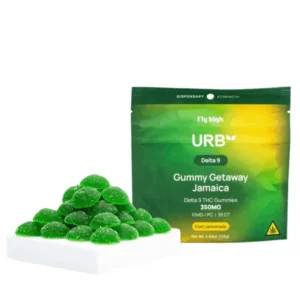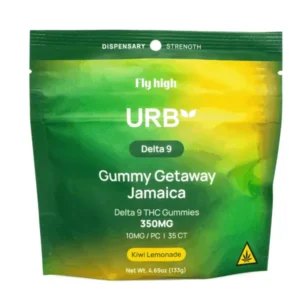
Delta 9 gummies are a type of cannabis edible associated with delta-9-tetrahydrocannabinol (Delta 9 THC), one of the best-known cannabinoids found in the cannabis plant. They are often discussed alongside other cannabis-derived products, including CBD gummies, THC oils, THCA flower and cannabis concentrates. However, understanding what Delta 9 gummies contain, how edible THC differs from other cannabis products and what regulations apply is important before evaluating any product information.
At THCa King Europe, our goal is to help readers understand cannabinoid terminology, product descriptions and the importance of transparent information. Whether you are researching cannabis products for educational purposes or comparing cannabinoid categories, it is essential to look beyond packaging claims and understand the ingredients, laboratory reports and legal requirements.
This guide explains what Delta 9 gummies are, how Delta 9 THC differs from CBD and THCA, what consumers should know about edible cannabis products, and why European regulations require particular attention.
What Are Delta 9 Gummies?
Delta 9 gummies are edible products formulated with delta-9-tetrahydrocannabinol, commonly shortened to Delta 9 THC. THC is a naturally occurring cannabinoid in cannabis and is the primary compound associated with the plant’s intoxicating effects.
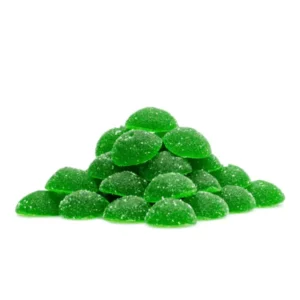
Unlike conventional sweets, THC-infused gummies are intended to contain a cannabinoid ingredient. Their appearance may resemble ordinary confectionery, but their contents and potential effects are very different.
Delta 9 THC interacts with the body’s endocannabinoid system, particularly cannabinoid receptors involved in several physiological processes. Its effects can include changes in perception, mood, coordination, memory and attention.
It is important not to confuse Delta 9 gummies with ordinary CBD gummies. CBD and THC are different cannabinoids, and products containing them can have very different effects and legal classifications.
For more background about cannabinoid products and terminology, readers can explore the educational content on the THCa King Europe website and its blog section.
Understanding Delta 9 THC
Delta 9 THC is a cannabinoid produced naturally by the cannabis plant. It is one of the most extensively studied cannabis compounds because of its psychoactive properties.
The term Delta 9 refers to the location of a particular double bond in the molecule’s chemical structure. This distinguishes it from other cannabinoids and THC-related compounds.
Delta 9 THC is commonly discussed in relation to:
- Psychoactive effects: It can alter perception, mood, memory and coordination.
- Cannabinoid composition: It is one of several compounds that may be present in cannabis-derived materials.
- Laboratory testing: Its concentration can be measured through appropriate analytical testing.
- Regulation: Its legal status depends on the applicable national and regional laws.
Understanding the cannabinoid name is only the beginning. A product’s actual composition, concentration, manufacturing standards and legal status are equally important.
How Are Delta 9 Gummies Different From Other Cannabis Products?
Cannabis-derived products are available in several forms. Gummies belong to the edible category, while flowers, concentrates and oils have different physical characteristics and intended uses.
The most important distinction is not simply how a product looks, but which cannabinoids it contains and how those compounds are regulated.
Delta 9 Gummies vs CBD Gummies
CBD, or cannabidiol, is a cannabinoid that is different from Delta 9 THC.
CBD is not generally associated with the same intoxicating effects as Delta 9 THC. THC, on the other hand, can produce intoxication and impair coordination, attention and memory.
A product labelled CBD should not automatically be assumed to contain no THC. The cannabinoid profile should be supported by appropriate laboratory analysis.
Delta 9 Gummies vs THCA Products
THCA stands for tetrahydrocannabinolic acid. It is an acidic cannabinoid precursor associated with the cannabis plant.
THCA and Delta 9 THC are chemically different. However, heat can convert THCA into Delta 9 THC through a process known as decarboxylation.
This distinction matters when reading cannabinoid laboratory reports. A label showing a high THCA percentage does not mean the material is equivalent to a product containing the same percentage of Delta 9 THC.
You can explore cannabinoid terminology and other cannabis-related educational topics through the THCa King Europe blog.
Delta 9 Gummies vs Cannabis Concentrates
Cannabis concentrates are products in which cannabinoids and other plant compounds are concentrated into different forms.
Examples include crumble, hash, wax and live resin. These products differ from gummies in composition, physical form and manufacturing methods.
For additional background, readers can refer to educational information about cannabis concentrates and other cannabinoid categories in the THCa King Europe online resource section.
What Should You Know About THC Edibles?
Edible cannabis products deserve particular attention because their effects can differ from those associated with inhaled cannabis.
According to the US Centers for Disease Control and Prevention (CDC), the effects of cannabis edibles may take between 30 minutes and two hours to become noticeable. Their effects can also last longer than expected.
This delay can make edible products unpredictable. A person may mistakenly believe that an edible has had no effect and consume more, increasing the risk of an unpleasant or harmful reaction.
The CDC also explains that THC quantities in edible products can be difficult to measure and may be inaccurately represented on product labels.
Read the CDC’s guidance here:
https://www.cdc.gov/cannabis/health-effects/poisoning.html
This is why clear labelling, reliable product information and appropriate safeguards are important when evaluating any THC-containing edible.
Why Laboratory Testing Matters for Delta 9 Gummies
Laboratory testing is an important part of evaluating cannabinoid-containing products. A product description or attractive package is not sufficient evidence of its actual composition.
A Certificate of Analysis (COA) is a laboratory report that provides analytical information about a tested sample.
Depending on the laboratory and testing panel, a COA may contain information about:
1. Cannabinoid profile
A cannabinoid profile identifies the cannabinoids detected in the tested sample and may report their measured concentrations.
For a product described as containing Delta 9 THC, the report should make the measured Delta 9 THC content clear.
2. THC concentration
The concentration of THC is important because THC is the principal intoxicating cannabinoid in many cannabis products.
The stated quantity should be supported by an appropriate laboratory method rather than relying solely on marketing descriptions.
3. Contaminant screening
Depending on the product and laboratory, testing may include screening for substances such as:
- Heavy metals
- Pesticide residues
- Residual solvents
- Microbial contamination
- Other relevant impurities
Not every COA includes every category. Readers should check the actual report rather than assume that a product has undergone comprehensive testing.
4. Batch identification
A useful laboratory report should identify the tested sample or batch so that the report can be connected to the product being described.
A report for a different batch does not necessarily establish the composition of the product currently being offered.
For additional cannabinoid information, visit THCa King Europe and review the product information and documentation available on the website.
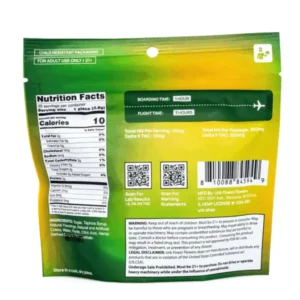
Ingredients and Product Labelling
The ingredients of an edible product matter just as much as its cannabinoid content.
A product label should provide clear and understandable information about its composition. Depending on the applicable requirements, this may include:
- Ingredient list
- Allergen information
- Net quantity
- Manufacturer or responsible business information
- Batch identification
- Relevant warnings
- Storage information
- Cannabinoid content, where legally permitted and applicable
Consumers should be cautious about products with unclear labels, missing manufacturer details, unsupported cannabinoid claims or packaging that resembles ordinary confectionery without clearly identifying its contents.
In October 2026, the European Anti-Fraud Office (OLAF) reported an investigation involving THC-infused gummies sold in counterfeit packaging. The investigation highlighted concerns about misleading presentation, uncertain contents and potential risks, particularly to children.
The official announcement is available here:
This is a useful reminder that familiar packaging does not establish product safety, authenticity or legal compliance.
Are Delta 9 Gummies Legal in Europe?
One of the most important questions surrounding Delta 9 gummies is their legal status.
There is no simple answer that applies to every European country. Cannabis and THC-related laws differ between jurisdictions, and the rules may depend on the cannabinoid content, product classification, intended use and national controlled-substance legislation.
A product’s availability on a website does not automatically mean that it is lawful to possess, sell, import or consume in every country.
The European Union Drugs Agency (EUDA) explains that cannabis-derived products can be subject to several different legal frameworks. These may include controlled-substance legislation, medicinal-product rules, food legislation and national requirements.
The EUDA also explains that the EU framework for industrial hemp cultivation should not be interpreted as general permission to market every cannabis-derived product.
For official information, consult the EUDA’s current guide:
https://www.euda.europa.eu/publications/faqs/cannabis-laws-in-europe-faq_en
The EUDA’s information on medical and commercial cannabis-derived products is also relevant:
The European Commission also provides information about novel foods and the applicable authorisation framework:
https://food.ec.europa.eu/food-safety/novel-food_en
Before relying on any product description, check the current rules in the country concerned. Do not assume that a low-THC hemp rule, an agricultural classification or a product’s country of origin makes a Delta 9 THC edible lawful throughout Europe.
Potential Risks and Safety Considerations
Delta 9 THC can cause intoxication and may affect a person’s ability to perform everyday activities safely.
Possible effects include:
- Impaired coordination
- Reduced attention and concentration
- Changes in short-term memory
- Anxiety or panic reactions
- Changes in perception
- Drowsiness
- An increased heart rate in some people
The intensity and duration of effects can vary. Factors may include the amount of THC, individual sensitivity, other substances consumed and personal health circumstances.
Edible cannabis products can be particularly unpredictable because their effects may be delayed and longer-lasting than expected.
Important safety considerations include:
Driving: THC can impair driving ability. Anyone affected by THC should not drive or operate machinery.
Alcohol and other substances: Combining THC with alcohol or other intoxicating substances may increase impairment and unpredictability.
Children and pets: THC-containing confectionery should be kept securely away from children and animals. Products that resemble ordinary sweets can create a serious accidental-ingestion risk.
Unexpected reactions: If someone experiences a severe reaction or an accidental ingestion occurs, seek appropriate medical or emergency assistance.
For further information about cannabis-related poisoning risks, consult the CDC’s official resource:
https://www.cdc.gov/cannabis/health-effects/poisoning.html
How to Evaluate Information About Delta 9 Gummies
When researching Delta 9 gummies, it is useful to apply a consistent checklist rather than relying on promotional statements.
Consider the following questions:
- Is the cannabinoid clearly identified? Check whether the product description distinguishes Delta 9 THC from CBD, THCA and other cannabinoids.
- Is the composition documented? Look for a relevant laboratory report where one is legally required or available.
- Is the report batch-specific? Confirm that the report relates to the product or batch being described.
- Are the ingredients transparent? Check whether the product provides a complete ingredient and allergen declaration.
- Are the claims realistic? Be cautious about claims that promise guaranteed effects or medical benefits.
- Are the applicable laws clear? Check the current legislation in the relevant country before making assumptions about possession, sale or importation.
Readers looking for broader information about cannabinoid terminology can visit the THCa King Europe homepage or browse its online shop information. Any product information should be assessed alongside the applicable legal requirements and supporting documentation.
Frequently Asked Questions About Delta 9 Gummies
1. What are Delta 9 gummies?
Delta 9 gummies are edible products formulated with delta-9-tetrahydrocannabinol, a cannabinoid found in cannabis. Unlike ordinary confectionery, they may produce intoxicating effects.
2. Is Delta 9 THC the same as CBD?
No. Delta 9 THC and CBD are different cannabinoids. Delta 9 THC is intoxicating, while CBD is not generally associated with the same intoxicating effects.
3. Are Delta 9 gummies the same as THCA gummies?
No. Delta 9 THC and THCA are chemically different compounds. THCA can convert into Delta 9 THC when exposed to heat, but the two compounds should not be treated as interchangeable.
4. How long do THC edibles take to produce effects?
The CDC states that edible cannabis effects may take between 30 minutes and two hours to become noticeable. The duration can vary, and effects may last longer than expected.
5. Are Delta 9 gummies legal in every European country?
No. European countries have different cannabis laws and product requirements. A product’s legal status must be assessed under the rules of the specific country.
6. Why is a Certificate of Analysis important?
A Certificate of Analysis provides laboratory information about a tested sample. Depending on the testing panel, it may identify cannabinoid concentrations and certain contaminants.
7. Can Delta 9 THC affect driving?
Yes. THC can impair coordination, attention, memory and reaction time. Anyone affected by THC should not drive or operate machinery.
8. Are Delta 9 gummies ordinary sweets?
No. Although their appearance may resemble confectionery, THC-containing gummies are cannabinoid products and should not be treated like ordinary sweets. They must be kept away from children and pets.
9. Does a hemp-derived label automatically mean a Delta 9 product is legal?
No. The description “hemp-derived” does not automatically establish that a THC-containing product is lawful. Product classification and national legislation must also be considered.
Conclusion: Understanding Delta 9 Gummies Requires More Than Reading the Label
Delta 9 gummies are an example of how cannabinoids are presented in edible product formats. Understanding their composition requires more than looking at a product name or package. Readers should consider the cannabinoid profile, laboratory documentation, ingredient transparency, possible risks and the laws that apply in their country.
Delta 9 THC is different from CBD and THCA, and THC-containing edibles can produce delayed and potentially long-lasting intoxicating effects. Responsible information should therefore be clear about product contents, safety considerations and legal restrictions.
At THCa King Europe, readers can explore additional educational information about cannabinoids and cannabis-derived product categories. Visit the THCa King Europe blog for more articles, or consult the shop information section for available product descriptions and documentation.
Above all, remember that product descriptions are not substitutes for independent laboratory evidence or legal advice. Always verify the applicable rules before making decisions about THC-containing products.