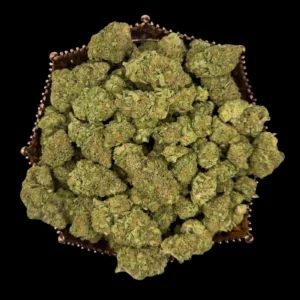
Mixed Light THCA Flower is a popular search term among people researching cannabis cultivation methods, cannabinoid information and different types of THCA flower. The term refers to flower associated with a growing approach that combines natural sunlight with supplemental artificial lighting. This method gives cultivators an opportunity to use available daylight while providing additional light when environmental conditions or growing schedules require it.
For anyone exploring THCA flower products, understanding the cultivation method is an important part of evaluating product descriptions. However, the words “mixed light” do not automatically guarantee a particular appearance, cannabinoid percentage or quality grade. Other factors, including genetics, environmental management, harvesting, drying, curing and laboratory testing, also matter.
At THCa King Europe, we believe that clear product information and accessible educational resources help visitors understand the terminology used in the THCA flower market. This guide explains what Mixed Light THCA Flower means, how mixed-light cultivation works, what influences product quality and why laboratory documentation and European regulations deserve attention.
What Is Mixed Light THCA Flower?
Mixed Light THCA Flower describes cannabis flower produced using a cultivation approach that combines natural sunlight with artificial supplemental lighting.
Unlike a fully indoor growing environment, where artificial lighting is generally the primary source of illumination, mixed-light facilities make use of natural daylight. Supplemental lighting can then be used to provide additional illumination when required.
This approach is sometimes described as light-assisted cultivation because growers use artificial lighting to supplement the available sunlight.
The term THCA refers to tetrahydrocannabinolic acid, a cannabinoid acid naturally produced by cannabis plants. THCA is chemically different from delta-9 THC. When exposed to heat, THCA can undergo decarboxylation, a chemical process that converts it into THC.
The European Union Drugs Agency (EUDA) provides information about the chemistry of cannabis and the differences between THCA and THC. Its explanation is useful when interpreting cannabinoid descriptions and laboratory reports.
Read more in the EUDA guide to cannabis definitions and chemistry.
How Does Mixed-Light Cultivation Work?
Mixed-light cultivation combines two sources of illumination: natural sunlight and supplemental artificial lighting. The exact setup depends on the facility, equipment, climate and cultivation approach.
Several elements can influence how this cultivation method is managed.
1. Natural Sunlight
Natural sunlight is one of the main features of mixed-light cultivation. Growing facilities are designed to allow sunlight to reach the plants, often through greenhouse structures or other arrangements that make use of daylight.
The amount of natural light available can vary according to the season, geographical location, weather and time of day.
2. Supplemental Artificial Lighting
Artificial lighting can provide additional illumination when natural daylight is insufficient for the grower’s intended schedule.
The type of equipment, intensity, timing and overall lighting strategy may differ between cultivation facilities. For this reason, the label “mixed light” should be understood as a general cultivation description rather than a precise technical specification.
3. Environmental Management
Temperature, humidity and airflow are important considerations in any cultivation environment. Mixed-light facilities must account for changes in outdoor conditions as well as the heat and environmental effects associated with artificial lighting.
A well-managed facility uses appropriate monitoring and environmental controls to maintain consistent growing conditions.
4. Harvesting and Post-Harvest Handling
The growing method is only one part of the production process. Harvesting, drying, curing, trimming, packaging and storage can all influence the condition of the finished flower.
Two products grown using similar mixed-light systems may still have different characteristics because their genetics, cultivation practices and post-harvest handling are not necessarily identical.
Mixed Light vs Indoor vs Outdoor THCA Flower
People researching THCA flower often encounter three common cultivation descriptions: indoor, outdoor and mixed light.
Understanding the differences helps explain what a product label communicates.
Indoor cultivation: Plants are grown in an enclosed environment where artificial lighting and environmental controls are used to manage growing conditions.
Outdoor cultivation: Plants are grown outside and rely primarily on natural sunlight and the surrounding environment.
Mixed-light cultivation: Plants receive natural sunlight supplemented by artificial lighting when needed.
Each method has different production considerations. Indoor facilities may offer more direct control over lighting and environmental conditions, while outdoor cultivation depends more heavily on local weather and seasonal conditions. Mixed-light systems combine elements of both approaches.
It would be misleading to claim that one cultivation method always produces better flower. Product characteristics depend on multiple factors, including genetics, cultivation management and post-harvest quality control.
What Influences the Quality of Mixed Light THCA Flower?
The cultivation label alone cannot establish the quality of a cannabis flower product. Anyone comparing Mixed Light THCA Flower listings should consider the broader product information.
Genetics and Plant Characteristics
Different cannabis varieties can produce different cannabinoid profiles and physical characteristics. The EUDA explains that cannabinoid quantities can vary considerably according to plant variety, growing conditions and other factors.
A strain name or marketing description should not be treated as independent proof of a particular cannabinoid percentage or terpene profile.
Cultivation Consistency
Consistent environmental management is an important part of organised cultivation. Lighting, temperature, humidity and airflow all contribute to the growing environment.
A supplier should avoid making specific cultivation claims unless those details can be supported by reliable production information.
Harvesting and Storage
Post-harvest handling deserves attention when evaluating product descriptions. Drying, curing, packaging and storage can influence the condition of flower after harvesting.
Packaging should be suitable for protecting the product from excessive exposure to heat, light and moisture.
Product Information and Traceability
Clear product information makes it easier to understand what is being offered. Useful details may include batch identification, product origin, cannabinoid analysis and relevant laboratory documentation.
The availability of these details is more meaningful than relying exclusively on promotional language.
Understanding THCA Content and Laboratory Testing
THCA is naturally produced by cannabis plants and is chemically distinct from delta-9 THC. The two compounds should not be confused when reading product descriptions or certificates of analysis.
The EUDA explains that heating can cause THCA to undergo decarboxylation and convert into THC. It also discusses the analytical challenges involved in determining and reporting cannabinoid content.
When reviewing a Certificate of Analysis (COA), consider these points:
- Sample identification: Does the report identify the tested product or batch?
- Laboratory information: Is the testing laboratory clearly named?
- Testing date: Is the date of analysis available?
- Cannabinoid panel: Does the report show THCA and delta-9 THC separately?
- Contaminant testing: Does it specify which contaminants were actually tested?
- Report relevance: Is the report connected to the product batch being described?
A COA reports the results of tests performed on a particular sample. It does not automatically prove that every possible contaminant was tested or that every item in a production batch has identical characteristics.
For additional information, consult the EUDA explanation of THCA and THC.
Why Mixed Light THCA Flower Prices Can Vary
Prices for products described as Mixed Light THCA Flower can differ between suppliers and product listings.
The cost of cultivation is influenced by several factors, including:
- Facility investment: Greenhouse structures, lighting equipment and environmental controls can involve different operating costs.
- Production scale: Larger and smaller cultivation operations may have different cost structures.
- Labour: Cultivation, harvesting, trimming and packaging require labour.
- Product grading: Suppliers may classify flower according to size, appearance or their own grading standards.
- Testing and documentation: Laboratory testing and quality-control procedures can contribute to overall production costs.
- Distribution and packaging: Transport, packaging and commercial arrangements can affect the advertised price.
A lower price does not automatically indicate poor quality, and a higher price does not guarantee superior quality. Comparing transparent product information and relevant laboratory documentation is more useful than judging a product by price alone.
Is Mixed Light THCA Flower Legal in Europe?
The legal status of cannabis and cannabis-derived products varies across Europe. It is important not to assume that a product is legal in every European country simply because it is described as hemp-derived, low-THC or THCA flower.
The European Union Drugs Agency explains that cannabis laws differ between Member States. Rules may depend on the product’s composition, intended use, classification and applicable national legislation.
EU agricultural rules concerning industrial hemp also have a specific scope. They do not automatically establish the legal status of every cannabis flower product or derivative.
Before purchasing, possessing, selling or transporting a cannabis-related product, check the current rules in the relevant country. Cross-border movement may involve additional legal requirements.
Useful official resources include:
- EUDA – Cannabis Laws in Europe
- EUDA – Medical and Commercial Cannabis-Derived Products
- EUDA – International Obligations Concerning Cannabis
These resources provide general information and should not replace country-specific legal advice.
Explore THCA Flower Information at THCa King Europe
THCa King Europe provides an online platform where visitors can explore THCA-related product categories and educational resources.
If you want to learn more about the website, visit the THCa King Europe homepage.
You can also browse the THCa King Europe shop to explore the available product categories and listings.
For more educational articles and information about THCA-related topics, visit the THCa King Europe blog.
When reviewing an individual product listing, pay attention to its description, available laboratory documentation and the legal requirements that apply in your country.
Frequently Asked Questions About Mixed Light THCA Flower
What does Mixed Light THCA Flower mean?
It generally describes cannabis flower grown using a combination of natural sunlight and supplemental artificial lighting. The exact cultivation setup can vary between producers.
Is mixed-light cultivation the same as indoor cultivation?
No. Indoor cultivation generally relies primarily on artificial lighting in an enclosed environment. Mixed-light cultivation combines natural daylight with supplemental artificial lighting.
Is Mixed Light THCA Flower better than outdoor flower?
Not automatically. Different cultivation methods have different characteristics, but the final product also depends on genetics, environmental management, harvesting, handling and storage.
What is the difference between THCA and THC?
THCA is the acidic cannabinoid form naturally produced by cannabis plants. When exposed to heat, it can undergo decarboxylation and convert into delta-9 THC.
How can I verify the THCA content of a flower product?
Look for a relevant Certificate of Analysis from an identifiable laboratory. Check the tested batch, testing date, cannabinoid panel and the distinction between THCA and delta-9 THC.
Is Mixed Light THCA Flower legal throughout Europe?
There is no single answer that applies to every European country. National legislation differs, so the relevant country’s current rules should always be checked before taking action involving a cannabis-related product.
Final Thoughts on Mixed Light THCA Flower
Understanding Mixed Light THCA Flower starts with understanding its cultivation method. By combining natural sunlight with supplemental artificial lighting, mixed-light systems use an approach that differs from fully indoor and outdoor cultivation.
However, the cultivation label is only one part of a product’s description. Genetics, growing conditions, harvesting, post-harvest handling, laboratory testing and storage all deserve consideration.
For people researching THCA flower in Europe, reliable product documentation and an understanding of the difference between THCA and THC are particularly important. Checking the applicable national legislation is equally essential.
Visit THCa King Europe for more educational information and to explore the website’s THCA-related categories.