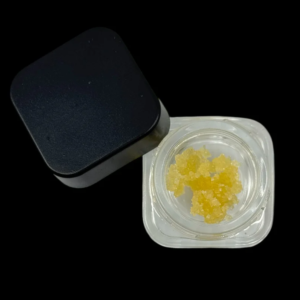
The search for Premium THCA Dabs reflects growing interest in cannabis concentrates and cannabinoid-rich products. People researching this category often want to understand what THCA dabs are, how they differ from other cannabis concentrates, what laboratory testing can reveal and why product transparency matters.
THCA concentrates are often discussed using terms such as diamonds, crystals, extracts and other concentrate descriptions. However, these terms do not all describe identical products. Their composition, physical characteristics and cannabinoid concentrations can vary.
Understanding the science behind THCA, the meaning of laboratory results and the regulations that apply in Europe is essential when evaluating information about these products.
This guide from THCa King Europe explores the important considerations surrounding Premium THCA Dabs, including cannabinoid terminology, concentrate classifications, laboratory documentation, product quality and European regulatory requirements.
What Are Premium THCA Dabs?
THCA dabs are cannabis concentrate products described as containing tetrahydrocannabinolic acid (THCA). The word “dabs” is commonly used to describe concentrated cannabis extracts associated with specialised consumption methods.
THCA is a naturally occurring cannabinoid acid produced by cannabis plants. It is chemically related to delta-9 THC, but the two compounds are not identical.
The word “premium” is a marketing description rather than an official laboratory classification. It does not automatically establish a product’s purity, cannabinoid percentage, safety or quality.
For this reason, evaluating a product described as Premium THCA Dabs requires more than looking at its name or advertised potency. Supporting laboratory information and accurate product documentation are important.
Understanding THCA and THC
One of the most important subjects when researching THCA concentrates is the difference between THCA and THC.
THCA stands for tetrahydrocannabinolic acid. It is the acidic precursor of delta-9 THC and occurs naturally in cannabis plants.
When THCA is exposed to sufficient heat, it can undergo a chemical process called decarboxylation. During this process, THCA loses a carboxyl group and converts into delta-9 THC.
This distinction is important when interpreting cannabinoid measurements.
Laboratory reports may show:
- THCA concentration.
- Delta-9 THC concentration.
- Other measured cannabinoids.
- Calculated total THC.
- The analytical methods used to obtain the results.
A calculated total THC figure should not be confused with directly measured delta-9 THC. The calculation method and assumptions should be clearly identified.
The European Union Drugs Agency provides further scientific information about cannabinoids and the conversion of THCA into THC.
Different Types of Cannabis Concentrates
Cannabis concentrates can be described using several different terms. These names generally refer to product characteristics or extraction formats, rather than a universal quality ranking.
THCA Diamonds
Diamonds is a common name for crystalline cannabis concentrate material associated with high concentrations of THCA.
The term describes a physical form and does not independently prove the exact cannabinoid composition or purity of a sample.
THCA Crystals
THCA crystals are products described as having a crystalline appearance. Their actual composition should be established through appropriate laboratory analysis rather than appearance alone.
Wax
Wax is a general concentrate description referring to certain soft or wax-like extract textures. Products sold under this name may differ in composition and cannabinoid content.
Shatter
Shatter is a term used for certain cannabis extracts with a hard, brittle appearance. The name describes physical characteristics rather than a guaranteed concentration or quality standard.
Live Rosin
Live rosin is a concentrate category associated with mechanical separation and heat-and-pressure processing rather than solvent-based extraction. Its precise composition depends on the starting material and production process.
These descriptions help explain the different terminology used in cannabis concentrate discussions. They should not be treated as proof that one category is automatically safer or better than another.
What Does Premium Mean When Discussing THCA Dabs?
The word premium appears frequently in product descriptions across the cannabis industry. However, it has no universal technical meaning that guarantees a particular laboratory result.
A product described as premium should be evaluated using verifiable information.
Useful considerations include:
Verified cannabinoid composition: Are cannabinoid figures supported by a relevant laboratory report?
Sample identification: Does the documentation identify the sample being tested?
Testing transparency: Are the analytical methods and results available?
Accurate product description: Are claims about composition and physical characteristics supported?
Batch documentation: Can the product be connected to its relevant batch or lot records?
Legal classification: Has the product’s regulatory status been assessed in the intended market?
A professional-looking product description or attractive photograph cannot independently establish these characteristics.
Why Laboratory Testing Matters
A Certificate of Analysis, commonly known as a COA, is a laboratory report that records the results of tests performed on a submitted sample.
For cannabis concentrates, laboratory testing can provide important information about cannabinoid composition.
Depending on the testing scope, a report may include:
- THCA concentration.
- Delta-9 THC concentration.
- Other cannabinoids.
- Residual solvents, where tested.
- Heavy metals, where tested.
- Pesticide residues, where tested.
- Microbiological results, where tested.
Not every COA includes all these tests. Readers should check the actual report rather than assume that every possible contaminant has been analysed.
When reviewing a laboratory report, pay attention to the following:
- The laboratory’s name and contact details.
- Sample identification and batch reference.
- Date of sample receipt and testing.
- Analytical methods.
- Reported cannabinoid concentrations and units.
- Additional tests actually performed.
- Any qualifications or limitations included in the report.
A laboratory report should correspond to the specific product or batch being described. A report for an unrelated sample does not establish the composition of another product.
A COA also has limitations: it documents the results for the submitted sample and tests performed. It does not automatically prove that every unit in a batch is identical or that every possible contaminant was tested.
Understanding Concentrate Quality and Transparency
When researching Premium THCA Dabs, it is important to distinguish between measurable characteristics and subjective marketing descriptions.
For example, appearance, texture and colour can be described visually, but these features do not establish cannabinoid concentration or purity.
Similarly, a high advertised THCA percentage does not independently establish the overall quality of a concentrate.
Reliable product information should distinguish between:
- Measured laboratory results.
- Calculated cannabinoid values.
- Supplier-provided product descriptions.
- Visual characteristics.
- Information that has not been independently verified.
This distinction makes product descriptions more useful and helps readers understand exactly what the available documentation establishes.
Safety Considerations Associated with Cannabis Concentrates
Cannabis concentrates can contain substantially higher concentrations of cannabinoids than ordinary herbal cannabis. This can create additional concerns around exposure and intoxication.
The European Union Drugs Agency has reported that highly concentrated cannabis extracts have appeared in European markets and that high-potency products raise public-health and monitoring concerns.
Its guidance also discusses health risks associated with cannabis dabbing, including acute toxicity presentations reported in emergency departments.
Smoking or inhaling heated plant material and extracts can expose the respiratory system to harmful substances. The risks may vary according to the product, composition and method of administration.
People should avoid driving or operating machinery while impaired. Cannabis products should be kept away from children and young people.
The term premium should never be interpreted as a guarantee of safety or reduced health risk.
For further information, consult the EUDA’s guidance on cannabis health and social responses:
https://www.euda.europa.eu/publications/mini-guides/cannabis-health-and-social-responses_en
European Regulations for THCA Concentrates
European cannabis regulations are complex, and there is no single blanket rule that automatically authorises every THCA concentrate throughout Europe.
The European Union Drugs Agency explains that different legal frameworks may apply depending on the product’s composition, intended use and classification.
Some cannabis-derived medicinal products may receive authorisation under pharmaceutical legislation. Other products may fall under different national or European regulatory requirements.
EU industrial-hemp rules should also be understood correctly. The European Commission explains that qualifying hemp varieties can be cultivated for specified agricultural and industrial purposes under the Common Agricultural Policy.
However, those agricultural provisions do not automatically legalise every cannabis flower, resin or concentrate product.
Before a cannabis concentrate is marketed, distributed, possessed or transported in a particular country, the relevant legal requirements may include:
- National controlled-substance legislation.
- The product’s actual cannabinoid composition.
- Rules concerning cannabis extracts and concentrates.
- Import and export restrictions.
- Applicable manufacturing requirements.
- Licensing and authorisation conditions.
- Product classification and intended use.
A product’s name, advertised THCA percentage or description as hemp-derived does not independently establish that it is legal.
Businesses and consumers should consult the relevant national authority or qualified legal adviser before relying on a particular legal interpretation.
Useful official European references include:
European Union Drugs Agency – Cannabis laws in Europe:
https://www.euda.europa.eu/publications/faqs/cannabis-laws-in-europe-faq_en
European Commission – Hemp:
https://agriculture.ec.europa.eu/farming/crops/hemp_en
European Union Drugs Agency – Cannabis definitions:
https://www.euda.europa.eu/publications/faqs/cannabis-laws-in-europe-faq/defining-cannabis_en
Exploring THCa King Europe
Visitors researching THCA-related subjects can explore the THCa King Europe website and its published educational resources.
Useful starting points include:
- THCa King Europe homepage: https://thcakingeurope.com/
- Shop and product-category information: https://thcakingeurope.com/shop/
- Educational articles and blog: https://thcakingeurope.com/blogs/
These pages provide starting points for exploring the website and related information.
For product-specific details, readers should consult the relevant product documentation and applicable local regulations. Product names and general descriptions should not be treated as independent evidence of laboratory results or legal authorisation.
Frequently Asked Questions About Premium THCA Dabs
What are Premium THCA Dabs?
Premium THCA Dabs is a descriptive phrase used for cannabis concentrate products marketed as containing THCA. The word premium is not a standardised laboratory certification, so product composition and quality should be assessed using supporting documentation.
What is the difference between THCA and THC?
THCA is the acidic precursor of THC. When exposed to sufficient heat, it can undergo decarboxylation and convert into delta-9 THC.
Are THCA diamonds the same as THCA crystals?
The terms are sometimes used similarly to describe crystalline concentrate products. However, product names do not independently establish chemical composition or purity.
Does a high THCA percentage guarantee a premium product?
No. Cannabinoid concentration is only one measurement. It does not independently establish purity, product identity, contaminant levels or legal compliance.
What is a THCA concentrate COA?
A Certificate of Analysis is a laboratory report that documents the results of tests performed on a submitted sample. It may contain cannabinoid measurements and other results depending on the testing scope.
Are THCA concentrates legal throughout Europe?
No universal answer applies to every country and every concentrate. National cannabis laws and product classifications differ. EU agricultural hemp rules do not automatically authorise all cannabis-derived concentrates.
Are cannabis concentrates associated with health risks?
Yes. Concentrates can contain high cannabinoid concentrations, and the EUDA has reported health concerns associated with high-potency cannabis products and dabbing. Product descriptions such as premium do not guarantee safety.
Final Thoughts on Premium THCA Dabs
Premium THCA Dabs is an important search phrase for people researching cannabis concentrates, cannabinoid composition and product documentation.
Understanding the difference between THCA and THC, recognising concentrate terminology and reviewing laboratory reports can help readers evaluate product information more accurately.
However, advertised potency and product appearance should never replace independent testing and transparent documentation. European legal requirements must also be considered because the rules governing cannabis-derived concentrates differ between countries.
For additional THCA-related educational information, visit https://thcakingeurope.com/ and explore the THCa King Europe blog at https://thcakingeurope.com/blogs/.
The most responsible approach is to prioritise accurate product information, verifiable laboratory documentation and an understanding of the legal requirements that apply in each jurisdiction.