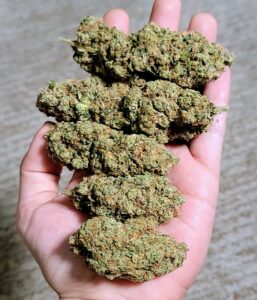
The search for THCA flower wholesale reflects growing interest in the business, regulatory and product-information aspects of the European cannabis market. Retailers, distributors, manufacturers and other businesses researching this sector need to understand more than product descriptions and wholesale terminology. They must also consider laboratory documentation, product classification, supply-chain transparency and the laws that apply in their intended markets.
THCA flower is a particularly important subject because the legal treatment of cannabis products can vary significantly between European countries. A product described as hemp-derived or low in delta-9 THC is not automatically authorised for wholesale distribution. Its chemical composition, intended use, product form and applicable national legislation all matter.
At THCa King Europe, visitors can explore THCA-related information and website categories. This guide explains the meaning of THCA flower wholesale, the documentation businesses should understand, how laboratory reports work and why regulatory checks are essential before considering any commercial activity.
What Does THCA Flower Wholesale Mean?
The phrase THCA flower wholesale generally describes business-to-business activity involving cannabis flower products identified by reference to their tetrahydrocannabinolic acid content.
In ordinary commercial language, wholesale refers to transactions between businesses, often involving quantities intended for resale or further commercial distribution. However, using the word wholesale does not change the legal classification of the product.
A business researching THCA flower wholesale should distinguish between three separate questions:
- What is the product, and how is its chemical composition documented?
- What legal rules apply to its manufacture, supply, possession and distribution?
- Is the proposed business activity authorised in the relevant jurisdiction?
These questions should be answered independently. A product listing, laboratory certificate or supplier statement cannot replace the legal authorisations required for a particular activity.
For broader information about the website and its THCA-related content, visit the THCa King Europe homepage or explore the shop section.
Understanding THCA and THC in Wholesale Documentation
THCA stands for tetrahydrocannabinolic acid. It is an acidic cannabinoid naturally present in cannabis plant material. Delta-9 THC is a different chemical form associated with the intoxicating effects of cannabis.
When THCA is exposed to heat, it can undergo decarboxylation, converting some of the THCA into delta-9 THC. This chemical relationship is important when interpreting laboratory results and determining how a product may be classified under applicable legislation.
Businesses should ensure that product documentation distinguishes THCA from delta-9 THC. They should not assume that a reported low delta-9 THC level automatically places a product outside controlled-substance legislation.
The European Union Drugs Agency discusses the relationship between THCA and THC, including the challenges of determining cannabinoid content in cannabis products.
Official reference: EUDA – Cannabis Laws in Europe: Defining Cannabis.
Why Product Identification Matters in THCA Wholesale
Accurate product identification is a fundamental part of commercial due diligence.
Cannabis flower listings may use cultivar names, cultivation descriptions and promotional expressions such as premium, exotic or indoor. These terms do not all have the same meaning.
A cultivar name identifies the name used to describe a particular variety, but it does not independently establish genetic identity or chemical composition. Similarly, indoor and greenhouse describe cultivation environments rather than recognised quality grades.
For a business assessing product information, useful documentation should distinguish between:
- The stated product identity.
- The cultivar or variety description, where verified.
- The product’s physical form.
- The reported cannabinoid composition.
- The sample or batch reference.
- The testing laboratory and date.
- Any applicable product classification or authorisation.
A wholesale description should not make claims about potency, origin, genetics or quality unless those claims can be substantiated.
Readers can explore additional THCA terminology through the THCa King Europe blog.
The Importance of Certificates of Analysis
A Certificate of Analysis, commonly called a COA, is a laboratory document reporting the results of specified tests performed on a submitted sample.
In commercial due diligence, a COA can help establish what was measured in a particular sample. It should not be treated as a universal certificate proving that a product is safe, compliant or legally authorised.
When reviewing a COA, businesses should pay attention to the following information.
1. Sample identification
The document should identify the sample or batch that was analysed. This makes it easier to establish whether the report relates to the product under review.
2. Laboratory identity
The laboratory responsible for the analysis should be identifiable. Businesses should consider the laboratory’s competence, relevant accreditation and analytical scope.
3. Testing date
The date helps establish when the sample was analysed. A report should not be assumed to represent a later or different batch.
4. Cannabinoid measurements
The report may include THCA, delta-9 THC, CBD and other measured cannabinoids. It should be clear which compounds were tested and how the results are expressed.
5. Analytical method
The analytical method matters because different methods and sample-preparation procedures can affect reported results.
6. Additional testing
A cannabinoid analysis does not necessarily include testing for pesticides, heavy metals, microbial contamination, residual solvents or other substances.
A business should therefore check the scope of the report instead of relying on a general statement that a product is laboratory tested.
Most importantly, a COA describes the submitted sample and the tests performed. It does not automatically establish that every item in a batch is identical or that the product is legally eligible for wholesale distribution.
THCA Flower Wholesale and Supply-Chain Transparency
Supply-chain transparency is an important consideration in any regulated or potentially controlled product market.
Businesses should be able to establish the identity of relevant parties, understand the product’s declared origin and determine whether the proposed commercial activity is permitted.
Depending on the applicable laws and the product classification, due diligence may involve reviewing:
- Supplier and business registration information.
- Product identity and batch documentation.
- Relevant manufacturing or production records.
- Laboratory reports.
- Import and export documentation.
- Applicable licences, registrations or authorisations.
- Product labelling and traceability requirements.
- Transport and storage obligations.
The precise requirements depend on the country, product type and commercial activity. A document that is sufficient for one product category may not be sufficient for another.
Businesses should also consider whether their proposed activity involves controlled substances, medicinal products, food, cosmetics or another regulated category. These classifications can trigger different legal obligations.
THCA Flower Wholesale in Europe: Understanding the Legal Framework
European businesses need to distinguish between EU-level agricultural rules and national drug-control legislation.
The European Union has specific provisions relating to industrial hemp, including rules concerning approved varieties and agricultural production. However, these provisions do not provide blanket authorisation for every cannabis flower, extract or THCA product.
The EUDA explains that low-THC cannabis products may be subject to different regulatory frameworks, including trade requirements and national controlled-substance rules. These approaches are not necessarily uniform across Member States.
This distinction is particularly important for businesses researching wholesale distribution. A product that is available in one jurisdiction may be restricted or treated differently in another.
Relevant factors may include:
- The product’s THCA and delta-9 THC composition.
- Whether the material is flowering cannabis, an extract or another preparation.
- The product’s intended use.
- Whether it falls under controlled-substance legislation.
- Whether medicinal-product, food or cosmetics rules apply.
- National licensing and distribution requirements.
- Cross-border movement and customs requirements.
The EUDA’s official guidance provides a useful starting point for understanding these differences:
- EUDA – Cannabis Laws in Europe FAQ
- EUDA – Medical and Commercial Cannabis-Derived Products
- EUDA – How European Countries Respond to Illegal Cannabis Use and Supply
The EUDA revised its cannabis-law FAQ on 21 April 2026. Because the regulatory landscape can change, businesses should consult current national legislation and obtain qualified legal advice before entering a THCA-related wholesale activity.
Why Industrial Hemp Rules Should Not Be Misinterpreted
One common source of confusion is the relationship between industrial hemp legislation and cannabis flower products.
Under specified EU agricultural provisions, eligible hemp cultivation is linked to approved varieties, certified seed and THC limits. These provisions concern defined agricultural activities and should not be interpreted as a general authorisation to distribute every product derived from cannabis.
The EUDA specifically explains that the agricultural framework for hemp fibre and seeds was not intended to determine the legal status of every other cannabis product.
This is an important distinction for businesses researching THCA flower wholesale. A reference to a hemp variety or an agricultural THC threshold does not independently establish that a flowering cannabis product can be commercially distributed.
The applicable product and national laws must be assessed separately.
Comparing Wholesale Product Information
Businesses researching THCA flower wholesale may encounter listings with different levels of detail. A structured comparison helps distinguish factual information from unsupported marketing claims.
| Documentation area | Questions to consider |
|---|---|
| Product identity | Is the product clearly identified? |
| Cannabinoid profile | Are measured compounds reported separately? |
| Batch reference | Can the laboratory report be connected to the relevant sample? |
| Testing laboratory | Is the testing organisation identifiable? |
| Testing scope | Which substances and characteristics were actually analysed? |
| Product classification | Has the legal category been established? |
| Supplier identity | Is the responsible business clearly identified? |
| Authorisations | Are required licences or approvals in place? |
| Cross-border compliance | Have import, export and transport requirements been checked? |
This approach encourages more reliable commercial research and helps prevent assumptions based solely on product descriptions.
What THCa King Europe Readers Should Understand About Wholesale Terminology
The term THCA flower wholesale is often used in online searches by people investigating the European cannabis market. However, the presence of a wholesale-related phrase on a website does not establish that a business has the legal authorisation to carry out a particular transaction.
For this reason, educational content should distinguish between explaining the wholesale market and making claims about specific commercial availability.
THCa King Europe readers can explore the homepage, browse the shop section and read additional information in the blog section.
Product-specific information should only be published where it can be verified. Claims about stock, wholesale quantities, product composition, laboratory results, delivery destinations and legal eligibility should not be assumed or generalised.
Frequently Asked Questions About THCA Flower Wholesale
What does THCA flower wholesale mean?
It refers to business-to-business activity involving cannabis flower described by reference to its THCA content. The term describes a commercial category, not an automatic legal permission to distribute the product.
Is THCA flower wholesale legal throughout Europe?
No blanket authorisation applies to every THCA flower product across Europe. National controlled-substance laws and other product regulations differ. Businesses must assess the rules in each relevant jurisdiction.
What is the difference between THCA and THC?
THCA is tetrahydrocannabinolic acid, while delta-9 THC is a different chemical form. Heat can convert THCA into THC through decarboxylation.
Why is a Certificate of Analysis important?
A COA reports the results of specified laboratory tests performed on a submitted sample. It can help verify measured characteristics, but it does not independently establish legal authorisation or guarantee the composition of every item in a batch.
Do EU hemp rules automatically cover THCA flower?
No. Agricultural hemp provisions apply to specified agricultural activities and conditions. They should not be interpreted as general authorisation for all cannabis flowers or THCA products.
What should a business check before entering this market?
Businesses should establish product classification, applicable national laws, licensing requirements, supplier identity, laboratory documentation, traceability obligations and any import, export or transport restrictions.
Where can I find more information about THCA?
Visit THCa King Europe and explore the blog section for further educational information about THCA terminology and product documentation.
Final Thoughts on THCA Flower Wholesale
THCA flower wholesale is a specialist search topic that requires careful attention to product identity, laboratory documentation and legal compliance.
For businesses researching this area, the most important starting points are accurate product information, reliable analytical reports, traceable documentation and a clear understanding of the laws governing the intended commercial activity.
European agricultural hemp rules should not be confused with general authorisation for cannabis flower distribution. National legislation may impose additional restrictions, and cross-border transactions can involve further legal requirements.
For more THCA-related information, visit THCa King Europe, explore the shop section and read additional educational articles through the THCa King Europe blog.
A transparent and compliance-focused approach is essential when researching THCA flower wholesale in Europe.