THCA live resin is a cannabis-derived concentrate discussed by people researching cannabinoid products, cannabis extracts and terpene-rich formulations. The term combines two concepts: THCA, which stands for tetrahydrocannabinolic acid, and live resin, a concentrate category associated with preserving aromatic compounds from fresh cannabis material.
Although THCA live resin is often described as a premium cannabis concentrate, the name alone does not establish its cannabinoid content, quality, purity or legal status. Understanding its composition, laboratory documentation and potential effects is important when researching this product category.
At THCa King Europe, we aim to provide educational information about cannabis terminology, cannabinoids and related product categories. Whether you are exploring our website, browsing the shop section, or discovering more information through our blog, understanding the terminology behind cannabis concentrates can help you interpret product descriptions more accurately.
This guide explains what THCA live resin means, how it differs from other cannabis concentrates, why terpenes matter, what laboratory testing can reveal and what European consumers should understand about cannabis regulations.
What Is THCA Live Resin?
THCA live resin is a cannabis concentrate associated with tetrahydrocannabinolic acid and the live resin category of cannabis extracts.
Live resin is generally distinguished by its connection to fresh cannabis plant material and the preservation of aromatic compounds known as terpenes. Unlike descriptions based exclusively on texture, the term live resin refers to a particular category of cannabis concentrate.
THCA is a naturally occurring cannabinoid found in cannabis plants. It is the acidic precursor to delta-9 THC and can be converted into THC when exposed to heat.
The exact composition of a product described as THCA live resin can vary. Its cannabinoid profile, terpene content, appearance and consistency depend on the source material and the finished product.
It is important to remember that the term live resin does not automatically prove that a product has a particular terpene percentage or that it has undergone independent safety testing.
For more cannabis-related educational information, visit THCa King Europe and explore our blog section.
What Does THCA Stand For?
THCA stands for tetrahydrocannabinolic acid. It is one of the cannabinoids naturally found in the cannabis plant.
THCA is chemically different from delta-9 THC, the cannabinoid most commonly associated with cannabis intoxication.
The main difference is that THCA can undergo a chemical process known as decarboxylation. During this process, heat causes THCA to lose a carboxyl group and convert into delta-9 THC.
The Centers for Disease Control and Prevention (CDC) explains that heating THCA through smoking, vaping or dabbing can convert it into THC, which can cause mind-altering and impairing effects.
Read the official explanation: CDC – Cannabis Frequently Asked Questions.
This is especially relevant when researching THCA live resin because the cannabinoid content measured before heating does not necessarily describe the potential THC content after heating.
What Makes Live Resin Different?
Live resin is a concentrate category associated with preserving aromatic compounds from fresh cannabis material.
Terpenes are naturally occurring compounds found in many plants, including cannabis. They contribute to the distinctive aromas associated with different plant varieties.
The term live resin is commonly used to distinguish this concentrate category from other cannabis extracts. However, the product name alone does not provide enough information to confirm its exact terpene composition or quality.
When researching a product described as THCA live resin, it is useful to look for:
- Clear product identification.
- A documented cannabinoid profile.
- Terpene information where available.
- A relevant Certificate of Analysis.
- Batch identification and traceability.
- Appropriate safety and legal information.
These details provide a more meaningful basis for understanding the product than promotional wording alone.
Understanding Terpenes in THCA Live Resin
Terpenes are aromatic compounds that occur naturally in many plants. They contribute to the characteristic smells of fruits, flowers, herbs and other botanical materials.
Cannabis plants can contain a range of terpenes, and their composition can differ between varieties and individual samples.
Some commonly discussed cannabis terpenes include:
Myrcene
Myrcene occurs in various plants and is frequently discussed in relation to the earthy or herbal aromas associated with certain cannabis varieties.
Limonene
Limonene is found in citrus fruit peels and is associated with fresh citrus-like aromas.
Pinene
Pinene occurs naturally in pine trees and other plants. It is commonly associated with pine-like aromas.
Caryophyllene
Caryophyllene is present in several plants, including black pepper and cloves. It is often described as having a spicy or peppery aroma.
Linalool
Linalool is found in plants such as lavender and is associated with floral aromas.
These compounds can contribute to the aromatic characteristics of cannabis extracts. However, the presence of a particular terpene should not be interpreted as proof of a specific medical effect.
A reliable product description should distinguish between measured terpene content and general statements about aroma.
For more information about cannabis product terminology, visit the THCa King Europe website.
THCA Live Resin vs Other Cannabis Concentrates
Cannabis concentrates are available in several product categories. Their names can refer to different characteristics, including appearance, texture, source material and chemical composition.
Understanding the differences can make product descriptions easier to interpret.
THCA Live Resin
THCA live resin is associated with the live resin concentrate category and a product description that highlights THCA content. Terpene composition and cannabinoid measurements can vary.
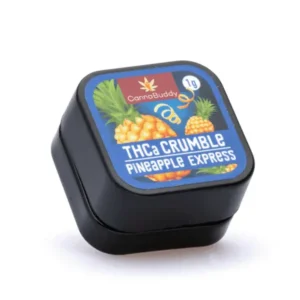
THCA Crumble
THCA crumble is generally associated with a dry, brittle or crumbly consistency. The name describes its texture rather than guaranteeing a particular cannabinoid percentage.
You can learn more in our THCA crumble guide, if published.
THCA Hash
THCA hash is a hash or resin-style product marketed with an emphasis on tetrahydrocannabinolic acid content. Its texture and composition can differ from live resin.
Read more in our THCA hash educational article, if published.
Wax
Wax is a general term used for certain cannabis concentrates with a softer or more pliable consistency. The chemical composition can vary between products.
Shatter
Shatter is commonly used to describe a brittle cannabis concentrate with a glass-like appearance.
Rosin
Rosin is another cannabis concentrate category, generally distinguished by its production approach. Its physical appearance and cannabinoid profile can vary.
Although these concentrates may look different, product names and appearances do not independently establish their purity or safety.
Understanding the Cannabinoid Profile of THCA Live Resin
Cannabinoids are chemical compounds found in cannabis plants. Their concentration and combination can vary according to the plant material and finished product.
When researching THCA live resin, several measurements may appear on laboratory reports.
THCA: Tetrahydrocannabinolic acid, the cannabinoid highlighted in the product name.
Delta-9 THC: The cannabinoid associated with intoxicating effects. It may be present in a sample alongside THCA.
CBD: Cannabidiol, another naturally occurring cannabinoid with a different chemical profile.
CBG and CBN: Other cannabinoids that may appear in some laboratory reports, depending on the sample and testing method.
Total THC: A calculated measurement that may account for the potential conversion of THCA into delta-9 THC.
A commonly used total THC calculation is:
Total THC = Delta-9 THC + (THCA × 0.877)
The factor 0.877 accounts for the molecular-weight change when THCA loses its carboxyl group during decarboxylation.
The calculation and its legal interpretation may differ depending on the applicable jurisdiction and testing standards. Readers should check the laboratory’s methodology rather than relying on a single advertised figure.
Why Laboratory Testing Matters
A Certificate of Analysis (COA) is a laboratory document recording the results of specified tests performed on a sample.
For cannabis concentrates, laboratory documentation can help explain cannabinoid composition and whether certain contaminant tests have been conducted.
When reviewing a COA for THCA live resin, consider the following areas.
1. Cannabinoid testing
A cannabinoid profile can identify and measure compounds such as THCA, delta-9 THC and CBD.
This information helps readers compare the product description with the laboratory findings.
2. Terpene analysis
Some laboratories provide terpene profiles showing the measured amounts of selected aromatic compounds.
This can provide additional information about a product’s chemical composition. Not every COA includes terpene testing, so check the report’s actual scope.
3. Residual solvent testing
Depending on the product’s manufacturing history, testing may include screening for residual solvents.
A laboratory report should identify whether this testing was performed and provide the relevant results.
4. Pesticide screening
Pesticide analysis can identify selected agricultural chemical residues. The specific substances tested for depend on the laboratory’s methods.
5. Heavy metal testing
Some testing panels assess selected heavy metals. The report should identify the substances measured and provide the relevant findings and detection limits.
6. Microbial screening
Depending on the product and applicable standards, a laboratory may also screen for selected microbial contaminants.
7. Batch identification
A useful COA should be traceable to the specific product sample or batch it represents. A report from an unrelated sample cannot confirm the composition of another product.
For broader information about cannabis concentrates, consult the National Institute on Drug Abuse – Marijuana Concentrates.
Health and Safety Considerations
THCA live resin belongs to the wider category of cannabis concentrates. Concentrated cannabis products may contain substantial amounts of cannabinoids, and THC exposure can cause impairment.
The CDC explains that heating THCA can convert it into THC. THC can affect attention, memory, coordination, judgement and reaction time.
There are several important considerations when researching cannabis concentrates:
- Potential intoxication: THCA can convert into THC when heated.
- Concentration: Some cannabis concentrates contain substantially more cannabinoids per unit of material than ordinary flower.
- Impairment: THC can affect coordination, attention and decision-making.
- Contamination: A product’s appearance cannot establish that it is free from unwanted substances.
- Individual differences: Responses can vary according to product composition and individual circumstances.
People should not drive or operate machinery while impaired. Cannabis products should be kept securely away from children and pets.
Cannabis concentrates should not be marketed as treatments for medical conditions without appropriate evidence and regulatory authorisation. Anyone considering cannabis for a health concern should consult a qualified healthcare professional.
For further public-health information, visit CDC – Cannabis and Public Health.
Is THCA Live Resin Legal in Europe?
The legal status of THCA live resin is an important consideration for anyone researching cannabis-derived concentrates in Europe.
There is no single rule that automatically makes every THCA product legal across all European countries. Different national laws and regulatory frameworks may apply depending on a product’s composition, classification and intended use.
The European Union Drugs Agency (EUDA) explains that cannabis-derived products can be subject to different regulatory frameworks. It also notes that rules for low-THC products may vary between Member States.
Importantly, EU agricultural rules covering certain hemp varieties should not be interpreted as blanket authorisation for every cannabis flower, extract or concentrate.
For reliable background information, consult these official resources:
- EUDA – Cannabis Laws in Europe: Frequently Asked Questions
- EUDA – Medical and Commercial Cannabis-Derived Products
The EUDA guidance was last revised on 21 April 2026. Readers should check the latest national requirements in the country concerned because legislation can change.
A product’s name, THCA percentage or description as hemp-derived does not independently establish its legal status. Anyone dealing with cannabis-derived concentrates should obtain appropriate legal advice and verify the relevant national rules.
How to Read a THCA Live Resin Product Description
A product description should provide clear and accurate information rather than relying exclusively on promotional language.
When reviewing a THCA live resin product description, consider the following:
- Product identity: Is the product clearly identified as a concentrate?
- Cannabinoid measurements: Are THCA and delta-9 THC reported separately?
- Terpene information: Is a measured terpene profile available?
- Laboratory documentation: Is a relevant Certificate of Analysis provided?
- Batch information: Does the report correspond to the product being described?
- Contaminant testing: Does the report identify which tests were conducted?
- Ingredient details: Are additional ingredients disclosed where applicable?
- Legal information: Does the description avoid unsupported claims about legality?
Words such as premium, pure, natural and high potency are marketing descriptions unless supported by relevant evidence.
For more information about cannabis-related terminology and product categories, visit THCa King Europe or browse the shop section.
Frequently Asked Questions About THCA Live Resin
1. What is THCA live resin?
THCA live resin is a cannabis-derived concentrate associated with the live resin category and tetrahydrocannabinolic acid (THCA). Its composition, appearance and terpene profile can vary.
2. What makes live resin different from other concentrates?
Live resin is associated with fresh cannabis source material and the preservation of aromatic compounds. Other concentrate names may refer primarily to texture or different product characteristics.
3. Does THCA live resin contain THC?
A product may contain measurable delta-9 THC alongside THCA. Additionally, THCA can convert into THC when exposed to heat.
4. What are terpenes in live resin?
Terpenes are naturally occurring aromatic compounds found in plants. In cannabis products, they contribute to distinctive aromas and can be measured through specialised laboratory analysis.
5. Is THCA live resin the same as THCA crumble?
No. THCA live resin refers to a live resin concentrate category, while THCA crumble describes a concentrate associated with a dry, crumbly texture.
6. What does a THCA percentage mean?
It describes the measured proportion of THCA in a tested sample. It should be considered alongside delta-9 THC, other cannabinoid measurements and the laboratory’s testing methodology.
7. Why is a Certificate of Analysis important?
A COA provides laboratory results for a particular sample. Depending on its scope, it may include cannabinoid measurements, terpene analysis and screening for selected contaminants.
8. Is THCA live resin legal throughout Europe?
No single answer applies to every European country. The legal status depends on the relevant national legislation and the product’s composition and classification.
9. Does live resin have proven medical benefits?
The presence of THCA or terpenes does not establish that a product treats a medical condition. Medical claims require appropriate scientific evidence and regulatory authorisation.
Final Thoughts on THCA Live Resin
THCA live resin is a cannabis concentrate category associated with tetrahydrocannabinolic acid and aromatic compounds found in cannabis plants.
Understanding this product requires looking beyond its name. Cannabinoid measurements, terpene information, laboratory testing and batch traceability provide more meaningful information than marketing descriptions alone.
The distinction between THCA and delta-9 THC is particularly important because THCA can convert into intoxicating THC when heated. European consumers should also understand that cannabis-derived product regulations differ between countries.
For more educational resources about cannabis terminology and related product categories, visit THCa King Europe, explore the shop section, or discover additional articles through our blog.