Is THCA Flower Legal? A Complete Guide to THCA Flower Laws in Europe
Is THCA Flower Legal?
One of the most common questions people ask when researching hemp products is: “Is THCA flower legal?”
The answer is more complicated than a simple yes or no.
THCA flower has attracted considerable attention because THCA (tetrahydrocannabinolic acid) is naturally produced by cannabis plants and can convert into delta-9 THC through decarboxylation. However, the legal status of a THCA-containing flower depends on much more than the name printed on the product label.
In Europe, regulations can differ between countries, product categories, intended uses, and applicable THC-testing rules. The European Union has rules governing hemp cultivation and certain hemp products, but EU countries can also apply more restrictive national rules.
Therefore, anyone considering buying, importing, distributing, or selling THCA flower should verify the current legislation of the specific destination country.
This guide explains what you need to know about THCA flower legality in Europe, how THCA differs from THC, why laboratory testing matters, and why a product that is available in one European market may not necessarily be legal in another.
What Is THCA Flower?
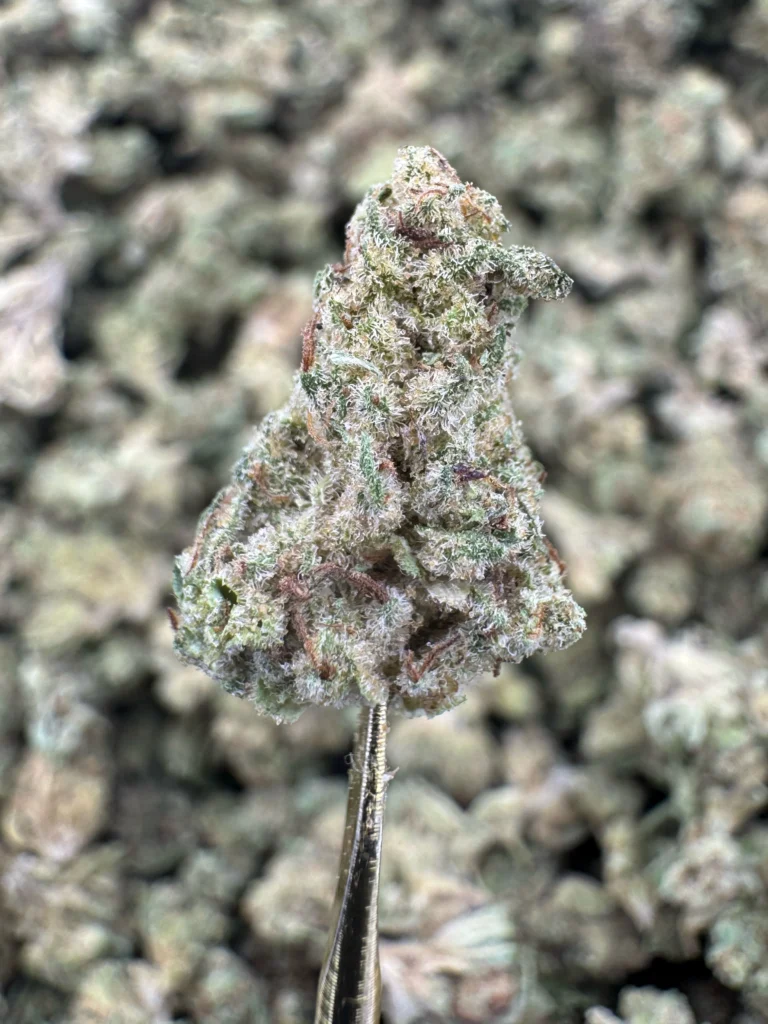
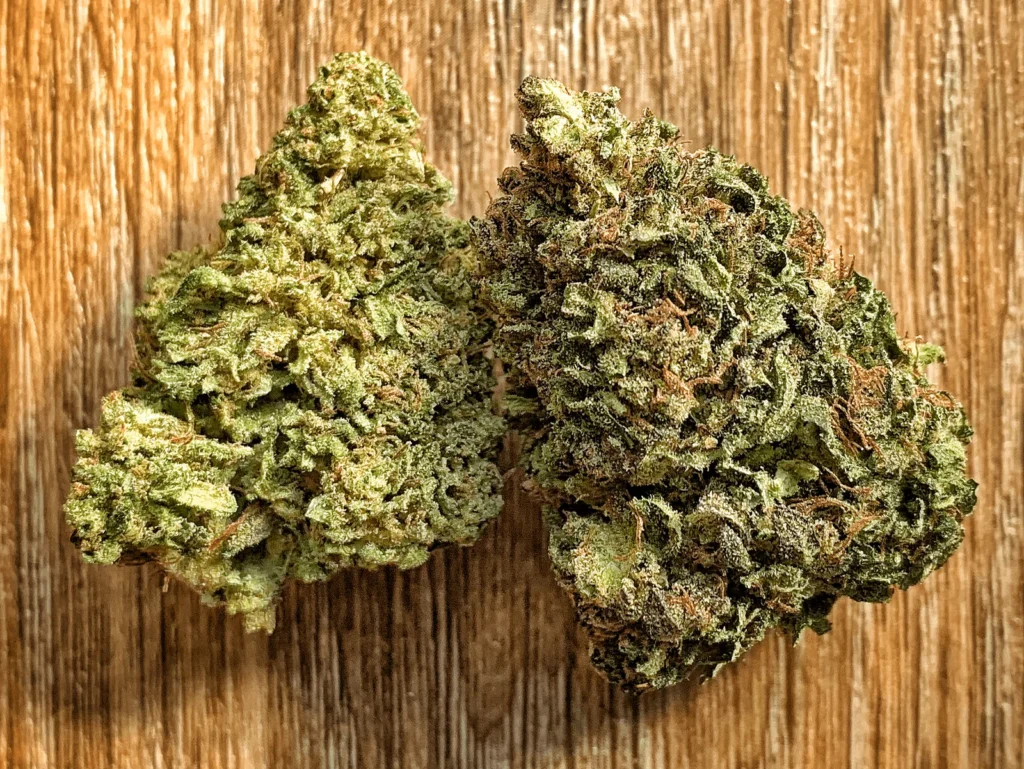
THCA flower is cannabis or hemp flower containing naturally occurring tetrahydrocannabinolic acid (THCA).
THCA is an acidic cannabinoid that occurs naturally in cannabis plants. It is chemically related to delta-9 THC but is not the same compound.
When THCA is exposed to heat, it can undergo decarboxylation, a chemical process that converts THCA into delta-9 THC.
This relationship is important when considering the legal status of THCA flower.
A product marketed as “THCA flower” should therefore not be evaluated solely by looking at its advertised THCA percentage.
The complete cannabinoid profile and the applicable legal calculation method may be relevant.
THCA vs THC: Why the Difference Matters
Understanding the difference between THCA and THC is essential when asking “Is THCA flower legal?”
THCA
THCA is the acidic precursor to delta-9 THC and occurs naturally in raw cannabis flower.
Delta-9 THC
Delta-9 THC is the neutral cannabinoid associated with the intoxicating effects commonly associated with THC.
Decarboxylation
When THCA is exposed to sufficient heat, it can convert into delta-9 THC.
In simplified form:
THCA → heat → THC
Because THCA can convert into THC, some regulatory systems take both compounds into consideration when assessing cannabinoid content.
Is THCA Flower Legal Everywhere in Europe?
No.
There is no single rule that makes every THCA flower product automatically legal throughout Europe.
The European Commission explains that hemp grown under the Common Agricultural Policy is subject to specific THC requirements, including a 0.3% THC threshold for qualifying varieties. However, the Commission also explicitly notes that EU countries may apply more restrictive rules.
The European Union Drugs Agency similarly explains that low-THC cannabis products are treated differently across European countries and that national legislation can affect their manufacture, sale, and availability.
This means that the answer to “Is THCA flower legal in Europe?” depends on the specific country and product.
Why the 0.3% THC Rule Can Be Misleading
You may see websites claiming that THCA flower is legal simply because its delta-9 THC level is below 0.3%.
This is an oversimplification.
The European Commission’s 0.3% threshold relates to specific hemp rules under the Common Agricultural Policy, including qualifying hemp varieties and cultivation requirements. It should not automatically be interpreted as a universal retail rule for every finished hemp or THCA product.
The European Union Drugs Agency specifically warns that the low-THC framework was developed in the context of hemp and does not automatically provide a universal safety or legal framework for every cannabis-derived product. National legislation can continue to apply.
Therefore:
A low delta-9 THC result does not automatically guarantee that a THCA flower product can legally be sold everywhere in Europe.
Does THCA Count Toward THC Limits?
This is one of the most important questions for businesses dealing with THCA flower.
In certain EU regulatory contexts, calculations can include both delta-9 THC and THCA.
For example, EU legislation concerning maximum levels of delta-9 THC equivalents in certain hemp-seed-derived foods uses the calculation:
Δ9-THC equivalents = Δ9-THC + 0.877 × Δ9-THCA
The European Commission explains that the 0.877 factor accounts for the conversion relationship between THCA and THC.
However, this particular regulation concerns specified food categories derived exclusively from hemp seeds. It should not automatically be applied as a universal legal formula for THCA flower in every European country.
This distinction is extremely important.
Businesses should determine which calculation method and legal framework applies to their specific product.
Why Country-Specific THCA Laws Matter
European businesses should avoid thinking about “European THCA law” as one single set of rules.
Individual countries can introduce additional requirements or restrictions.
Regulations can address:
- THC limits
- THCA calculations
- Cannabis flower
- Hemp cultivation
- Controlled substances
- Product classification
- Importation
- Advertising
- Retail sales
- Packaging
- Labeling
- Food regulations
- Novel-food requirements
The European Union Drugs Agency confirms that national approaches to low-THC cannabis products are not uniform across Member States.
Consequently, a THCA flower product should be assessed according to the laws of the country where it will actually be placed on the market.
Is THCA Flower Legal Because It Comes From Hemp?
Not necessarily.
The word “hemp” does not automatically make every product made from the plant legal for every purpose.
European rules distinguish between different uses and product categories.
For example, EU agricultural rules specifically regulate hemp varieties, cultivation, seed requirements, THC levels, and related agricultural conditions.
The legal status of a finished flower product can involve additional national rules.
Therefore, businesses should never rely solely on statements such as:
“It is hemp, so it is legal.”
Instead, the complete legal and product context should be examined.
What About THCA Flower for Human Consumption?
Product classification becomes particularly important when THCA flower is marketed for consumption.
Food law is separate from agricultural hemp rules.
For example, the European Commission’s Novel Food consultation materials show that certain hemp herb products intended for use as food supplements can fall within the Novel Food framework.
This illustrates why businesses need to distinguish between:
- Agricultural hemp
- Raw hemp material
- Flower products
- Food products
- Food supplements
- Cosmetics
- Other commercial products
A product’s intended use can significantly affect the applicable regulatory framework.
Why Laboratory Testing Is Essential
If you are asking “Is THCA flower legal?”, one of the first things you should consider is laboratory documentation.
A professional supplier should be able to provide appropriate testing information for the relevant batch.
A Certificate of Analysis (COA) can provide information such as:
- THCA concentration
- Delta-9 THC concentration
- Other cannabinoids
- Terpene profile
- Pesticide testing
- Heavy-metal testing
- Microbiological testing
- Batch identification
Laboratory results help buyers understand what is actually present in a product.
However, a COA is not itself a legal authorization.
A laboratory report showing a particular cannabinoid concentration does not automatically mean the product is legal to sell in every jurisdiction.
What Should a THCA Flower COA Show?
When evaluating THCA flower, look for a current, batch-specific laboratory report.
Important information can include:
Cannabinoid Profile
The report should clearly identify THCA and delta-9 THC where relevant.
Batch Number
The COA should correspond to the actual product batch.
Laboratory Information
The testing laboratory should be identifiable.
Testing Date
Recent testing provides more useful information than outdated documentation.
Contaminant Testing
Depending on the product and market, testing may cover pesticides, heavy metals, microbes, and other contaminants.
The more transparent the documentation, the easier it is for businesses to conduct appropriate due diligence.
Is THCA Flower Legal for Wholesale Businesses?
Wholesale businesses need to be particularly careful.
A retailer, distributor, importer, or private-label company may have additional responsibilities beyond simply purchasing a product.
Before entering a wholesale agreement, businesses should consider:
- Destination-country regulations
- Import requirements
- Product classification
- THC testing requirements
- THCA treatment under local law
- Documentation requirements
- Labeling rules
- Storage requirements
- Advertising restrictions
- Applicable licensing requirements
The European Commission notes that certain hemp imports are subject to specific import requirements and that Member States can impose additional requirements.
Professional due diligence is therefore essential before placing large commercial orders.
Is THCA Flower Legal to Import Into Europe?
Importing THCA flower into Europe is not necessarily the same as purchasing a compliant hemp crop for agricultural purposes.
The European Commission states that imports of hemp are subject to specific requirements, including an import licence framework for certain hemp products, while national authorities may apply additional requirements.
Importers should therefore verify:
- The product’s customs classification.
- The applicable THC requirements.
- Whether THCA is included in the relevant calculation.
- The destination country’s rules.
- Required import documentation.
- Any applicable licensing requirements.
Never assume that an international supplier’s claim that a product is “EU legal” is sufficient evidence of compliance.
How to Check Whether THCA Flower Is Legal
If you are trying to determine whether a particular THCA flower product is legal, use a structured approach.
Step 1: Identify the Product
Determine exactly what the product is and how it will be marketed.
Step 2: Check the Cannabinoid Profile
Review the current laboratory results.
Step 3: Check THC and THCA
Do not look at THCA alone.
Step 4: Identify the Destination Country
The relevant law is generally the law applicable to the market where the product will be placed or used.
Step 5: Check Product Classification
Determine whether the product falls under agricultural, food, cosmetic, controlled-substance, or another regulatory framework.
Step 6: Check Import Requirements
If the product crosses borders, verify customs and import requirements.
Step 7: Obtain Professional Advice
For commercial activity, obtain advice from a qualified lawyer or regulatory professional familiar with cannabis and hemp law in the relevant jurisdiction.
Common THCA Flower Legal Myths
Myth 1: “THCA Is Legal Everywhere Because It Isn’t THC.”
False.
THCA and THC are chemically different, but that does not mean THCA flower is automatically excluded from national cannabis or controlled-substance rules.
Myth 2: “Anything Under 0.3% THC Is Legal in Europe.”
False.
The 0.3% figure appears in EU agricultural hemp rules, but it is not a universal authorization for every finished cannabis or THCA product. Member States can impose more restrictive rules.
Myth 3: “A COA Makes THCA Flower Legal.”
False.
A COA provides laboratory information. It does not replace legal compliance or government authorization.
Myth 4: “If Another EU Country Sells It, I Can Sell It Too.”
False.
National rules can differ, and intra-EU trade in hemp products may remain subject to national legislation.
Myth 5: “THCA Does Not Matter Because Only THC Is Tested.”
Not necessarily.
Certain EU regulatory frameworks explicitly use calculations involving both delta-9 THC and THCA. The applicable method depends on the specific regulatory context.
Frequently Asked Questions
Is THCA flower legal?
There is no universal yes-or-no answer. THCA flower may be permitted under certain conditions in some markets, while other jurisdictions may restrict or prohibit it. The applicable national legislation, product classification, THC/THCA calculation, and intended use must be considered.
Is THCA flower legal in Europe?
Europe does not have one uniform retail rule for THCA flower. EU hemp rules provide an agricultural framework, while individual countries can apply additional or more restrictive legislation.
Is THCA the same as THC?
No. THCA is the acidic precursor to delta-9 THC. It can convert to THC through decarboxylation.
Does THCA count as THC?
That depends on the applicable legal framework. Some regulations calculate THC equivalents using both delta-9 THC and THCA, while other rules may use different definitions or methods.
Can I legally sell THCA flower online?
Not automatically. Online sales must comply with the laws applicable to the product and the target market, including any restrictions on cannabis, hemp, THC, THCA, advertising, labeling, and distance selling.
Can I import THCA flower into Europe?
Importation depends on the product, customs classification, country of destination, applicable hemp requirements, and national legislation. Certain hemp imports are subject to EU import requirements.
Is THCA flower legal because it is labeled “hemp”?
No. A label does not determine legal status. The product’s composition, origin, intended use, classification, and applicable national laws all matter.
Choosing a Responsible THCA Supplier
If you are a retailer or wholesale buyer, selecting a transparent supplier is an important part of compliance.
Look for a supplier that can provide:
- Current laboratory reports
- Batch identification
- Transparent cannabinoid information
- Product documentation
- Clear sourcing information
- Appropriate packaging information
- Reliable business communication
- Support with product documentation
At THC King Europe, transparency and product information are important considerations for businesses sourcing THCA flower for the European market.
However, buyers should always independently verify the legal requirements applicable to their particular country and intended use.
Why Legal Compliance Matters for THCA Businesses
The THCA market is developing quickly, but regulatory frameworks can also evolve.
For businesses, compliance is not simply about checking a THC percentage.
A complete compliance strategy may involve:
Product testing + Documentation + Product classification + Import requirements + National law + Marketing compliance
Taking a comprehensive approach helps businesses reduce avoidable regulatory risks.
Final Thoughts: Is THCA Flower Legal?
The most accurate answer is:
It depends on the country, product, cannabinoid profile, intended use, and applicable legal framework.
EU rules permit the cultivation of qualifying low-THC hemp under specific conditions, including requirements concerning certified varieties and THC levels. At the same time, EU Member States can apply more restrictive rules, and the European Union Drugs Agency confirms that national approaches to low-THC cannabis products are not uniform.
THCA also deserves particular attention because it can convert into delta-9 THC and because some regulatory frameworks use THC-equivalent calculations that include THCA.
For consumers and businesses, the safest approach is to never assume that THCA flower is automatically legal simply because it is marketed as hemp or contains a low level of delta-9 THC.
Instead, verify the product’s laboratory results, identify the applicable national regulations, check import and product-classification requirements, and obtain professional legal advice where necessary.
For businesses looking for THCA flower and wholesale solutions, THC King Europe aims to provide transparent product information and professional B2B support while customers remain responsible for ensuring that their purchases and sales comply with the laws applicable to their market.