
How Is THCA Flower Made? A Complete Guide to THCA Flower Production
How Is THCA Flower Made?
If you have ever wondered “How is THCA flower made?”, the answer starts with the cannabis plant itself.
THCA flower is not created by simply adding THCA to ordinary hemp flower. Instead, THCA is a naturally occurring cannabinoid acid produced by the plant. Through careful genetics, cultivation, harvesting, drying, curing, and laboratory testing, growers can produce flower with a naturally high concentration of THCA.
THCA stands for tetrahydrocannabinolic acid. It is the acidic precursor to delta-9 THC and is naturally present in raw cannabis flower.
One of the most important characteristics of THCA is that it can be converted into THC through decarboxylation, particularly when exposed to heat.
That means producing high-quality THCA flower involves more than simply growing a cannabis plant. Genetics, cultivation methods, harvest timing, post-harvest handling, storage, and testing all influence the final product.
In this guide, we explain how THCA flower is made, from seed or clone to finished, tested flower.
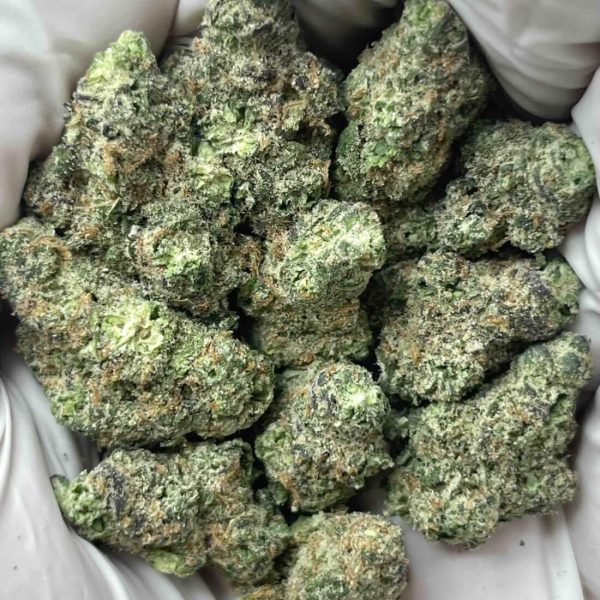
What Is THCA Flower?
Before explaining how THCA flower is produced, it helps to understand what THCA actually is.
THCA is a naturally occurring cannabinoid acid found in cannabis plants.
During the plant’s growth cycle, cannabinoid acids develop primarily in the resin-producing trichomes found on the flowers.
THCA is chemically related to delta-9 THC but is not the same compound.
The simplified relationship is:
THCA → heat → THC
When sufficient heat is applied, THCA can undergo decarboxylation and convert into delta-9 THC.
This is why THCA flower is generally handled carefully after harvesting. Excessive heat during processing or storage can alter the cannabinoid profile.
How Is THCA Flower Made? The Basic Process
The production of THCA flower generally involves several major stages:
- Selecting suitable genetics
- Germinating seeds or preparing clones
- Growing the plants
- Developing the flowers and trichomes
- Monitoring cannabinoid development
- Harvesting at the appropriate stage
- Drying the flowers
- Curing the flower
- Laboratory testing
- Packaging and storage
Each stage contributes to the final cannabinoid and terpene profile.
The quality of the genetics is important, but even excellent genetics cannot guarantee an excellent finished product without appropriate cultivation and post-harvest handling.
1. Selecting THCA-Rich Genetics
The first step in producing THCA flower is selecting suitable plant genetics.
Cannabis varieties can naturally produce different concentrations of cannabinoids.
Some cultivars are bred or selected for cannabinoid profiles that produce significant levels of THCA in their flowers.
Growers may consider factors such as:
- Genetic stability
- Cannabinoid potential
- Terpene profile
- Flower structure
- Plant vigor
- Environmental adaptability
- Expected flowering time
- Resistance to common cultivation problems
- Consistency between plants
Genetics are particularly important because the plant’s DNA strongly influences the cannabinoid profile it can produce.
A grower cannot simply take any hemp plant and expect it to produce the same THCA concentration as a cultivar specifically selected for high THCA.
2. Seeds or Clones
Once suitable genetics have been selected, growers can begin cultivation using seeds or clones.
Seeds
Seeds provide genetic material from which new plants can develop.
Clones
Clones are cuttings taken from a mother plant and rooted to create genetically similar plants.
Commercial cultivation may use either method depending on the producer’s goals and production system.
Cloning can help growers maintain a consistent genetic profile, while seeds can provide an alternative approach to propagation and genetic diversity.
3. Growing the Cannabis Plant
After propagation, the plants enter their vegetative growth stage.
During this stage, growers manage environmental conditions such as:
- Light
- Temperature
- Humidity
- Water
- Nutrients
- Air circulation
- Growing medium
The objective is to produce healthy plants capable of developing high-quality flowers.
The plant’s overall health can influence its eventual flower quality and cannabinoid production.
4. Flower Development
As the cannabis plant transitions into flowering, it begins producing more prominent flower structures and resin-rich trichomes.
Trichomes are tiny structures found on the surface of cannabis flowers.
They are particularly important because they contain many of the plant’s cannabinoids and terpenes.
The characteristic sticky appearance of high-quality cannabis flower is largely associated with these resin-producing structures.
During flowering, growers monitor the plants carefully to determine when the flowers are approaching their desired level of maturity.
5. How Does THCA Develop in the Plant?
This is one of the most interesting parts of understanding how THCA flower is made.
Cannabis plants do not simply produce delta-9 THC in large quantities from the beginning.
Instead, the plant produces cannabinoid acids through its biosynthetic pathways.
For THCA-rich cannabis, enzymes and genetic factors contribute to the formation of THCA in the plant’s resin glands.
The resulting flower can contain substantial amounts of THCA alongside other cannabinoids and terpenes.
The exact cannabinoid profile depends on factors such as:
- Genetics
- Plant maturity
- Cultivation environment
- Plant health
- Harvest timing
- Post-harvest handling
6. Monitoring the Flower Before Harvest
Timing is an important part of producing quality THCA flower.
Growers monitor the plants as the flowers mature.
They may examine:
- Flower development
- Trichome maturity
- Aroma
- Plant health
- Cannabinoid development
- Environmental conditions
Laboratory analysis can provide much more accurate information than visual inspection alone.
For commercial production, cannabinoid testing is particularly important when the legal market requires specific limits for THC or other cannabinoids.
7. Harvesting THCA Flower
Once the flowers reach the desired stage of maturity, the plants can be harvested.
Harvesting involves removing the mature flowers from the plant and preparing them for post-harvest processing.
The timing of harvest can influence:
- Cannabinoid concentration
- Terpene profile
- Aroma
- Flower appearance
- Overall quality
Harvesting too early or too late can produce a different product profile.
For THCA flower producers, harvest timing can therefore be an important part of achieving a consistent product.
8. Drying THCA Flower
After harvesting, the flower needs to be dried.
Drying reduces moisture in the plant material and helps prepare the flower for curing and storage.
However, drying is not simply about removing as much moisture as possible.
Controlled post-harvest conditions are important for maintaining flower quality.
Growers generally pay attention to:
- Temperature
- Relative humidity
- Air circulation
- Drying time
- Flower density
Poor drying can negatively affect the appearance, aroma, texture, and overall quality of the finished flower.
Excessive heat can also be undesirable because cannabinoids can undergo chemical changes when exposed to heat.
9. Curing THCA Flower
After drying, THCA flower may undergo a curing process.
Curing allows the flowers to stabilize gradually after drying.
Proper curing can help improve characteristics such as:
- Aroma
- Texture
- Smoothness
- Overall presentation
- Storage stability
Terpenes and other volatile compounds are particularly sensitive to post-harvest conditions.
For premium THCA flower, careful curing is therefore an important part of maintaining the desired product characteristics.
Why Temperature Matters for THCA Flower
One of the most important concepts when discussing how THCA flower is made is temperature.
THCA can be converted into THC through decarboxylation.
Heat accelerates this chemical transformation.
This is why producers need to distinguish between:
drying and curing
and
intentional decarboxylation.
The objective of producing raw THCA flower is generally to preserve its naturally occurring cannabinoid profile rather than intentionally converting its THCA into THC.
Careful post-harvest handling can therefore be important for maintaining the desired profile.
Does Drying Convert THCA Into THC?
Drying does not automatically mean that all THCA will convert into THC.
The amount of conversion depends on factors including:
- Temperature
- Time
- Moisture
- Processing conditions
Under appropriate controlled conditions, producers can dry flower while maintaining a substantial THCA content.
However, excessive heat can promote decarboxylation.
This is another reason why professional producers monitor post-harvest conditions carefully.
10. Trimming THCA Flower
Once the flowers have been dried and cured, they may be trimmed.
Trimming involves removing excess leaves and plant material around the flowers.
The goal is generally to produce a cleaner and more visually appealing final product.
Trimming can be performed manually or using specialized commercial equipment.
The method chosen depends on the scale and quality requirements of the producer.
Premium flower is often given particularly careful attention during trimming because appearance is an important part of the finished product.
11. Laboratory Testing
Laboratory testing is one of the most important stages in professional THCA flower production.
A reputable producer should be able to demonstrate the cannabinoid composition of its products through appropriate testing.
A Certificate of Analysis, commonly called a COA, may provide information about:
- THCA
- Delta-9 THC
- CBD
- CBG
- Other cannabinoids
- Terpenes
- Pesticides
- Heavy metals
- Microbiological contaminants
The exact testing requirements depend on the jurisdiction and intended market.
For European businesses, compliance testing can be particularly important because cannabinoid regulations vary between countries.
Why THCA Flower Testing Matters
A product label alone does not tell the entire story.
Laboratory testing provides objective information about the specific batch.
For example, a COA can help a buyer determine:
How much THCA is actually present?
How much delta-9 THC is present?
Are contaminants within applicable limits?
Does the laboratory report correspond to the batch being sold?
For wholesale buyers, this type of documentation is especially valuable.
12. Packaging THCA Flower
After testing and quality control, the flower can be packaged.
Packaging should protect the product from conditions that could negatively affect quality.
Important factors include:
- Light exposure
- Heat
- Humidity
- Oxygen
- Physical handling
Proper packaging helps preserve the flower’s appearance, aroma, moisture balance, and cannabinoid profile.
For commercial products, packaging must also comply with the labeling and regulatory requirements applicable to the destination market.
13. Storage of THCA Flower
Storage is another important part of maintaining product quality.
THCA flower should be protected from excessive:
- Heat
- Light
- Moisture
- Air exposure
Poor storage conditions can affect both cannabinoids and terpenes over time.
A well-produced THCA flower product can still deteriorate if it is stored improperly after production.
Therefore, production quality and storage quality should be considered together.
What Makes High-Quality THCA Flower?
Understanding how THCA flower is made also helps explain why products can vary significantly in quality.
High-quality THCA flower typically starts with appropriate genetics and careful cultivation.
Important quality factors include:
Strong Genetics
Consistent genetics can help produce predictable cannabinoid and terpene profiles.
Healthy Cultivation
Plants need appropriate environmental conditions throughout their growth cycle.
Proper Harvesting
Harvest timing can influence cannabinoid and terpene characteristics.
Controlled Drying
Careful drying helps protect flower quality.
Proper Curing
Curing can improve aroma, texture, and overall product characteristics.
Laboratory Testing
Independent testing provides objective information about the product.
Appropriate Packaging
Good packaging helps protect the finished flower.
THCA Flower vs Traditional Hemp Flower
Not all hemp flower is THCA flower.
Traditional hemp flower is often selected for cannabinoid profiles dominated by CBD or other non-intoxicating cannabinoids.
THCA-rich flower, on the other hand, is selected for a higher concentration of THCA.
The appearance of the flowers can be similar, but their cannabinoid profiles can be substantially different.
This is why laboratory testing is more useful than judging a product solely by appearance.
Is THCA Added to the Flower?
In naturally produced THCA flower, the THCA is produced naturally by the plant.
The goal is to cultivate genetics capable of producing a naturally high THCA concentration.
This is different from a product where a cannabinoid extract is applied to otherwise ordinary flower.
Buyers should therefore ask suppliers about the production method and laboratory documentation if the distinction is important for their market or regulatory requirements.
Is THCA Flower Natural?
THCA itself is a naturally occurring cannabinoid acid produced by cannabis plants.
However, the phrase “natural THCA flower” should not be interpreted as meaning that every product marketed as THCA flower has been produced in exactly the same way.
Products can differ in:
- Genetics
- Cultivation methods
- Post-harvest processing
- Testing
- Packaging
- Cannabinoid profile
For this reason, buyers should focus on transparent product documentation rather than marketing language alone.
Can THCA Flower Be Made From CBD Flower?
Generally, simply growing CBD flower does not turn it into high-THCA flower.
The cannabinoid profile is strongly influenced by the plant’s genetics and biosynthetic pathways.
A cultivar selected primarily for CBD production is not equivalent to a cultivar selected for high THCA production.
Therefore, producers seeking THCA-rich flower generally begin with genetics capable of naturally producing the desired cannabinoid profile.
How Is THCA Flower Made for the European Market?
Producing THCA flower for the European market involves more than cultivation.
Businesses must also consider the laws and regulations of the destination country.
Important considerations may include:
- Cannabinoid limits
- Product classification
- Cultivation regulations
- Import requirements
- Testing requirements
- Labeling
- Packaging
- Advertising
- Distribution rules
There is no single rule that makes every THCA flower product automatically legal throughout Europe.
Regulations can differ considerably between countries and can change over time.
Businesses should therefore obtain appropriate legal and regulatory advice before importing or distributing cannabinoid products.
Why European THCA Buyers Should Check COAs
If you are purchasing THCA flower in Europe, a Certificate of Analysis can be one of the most useful documents available.
A professional COA can help verify:
Product identity
Cannabinoid content
THCA concentration
Delta-9 THC concentration
Contaminant testing
Batch information
Testing laboratory
For wholesale buyers, this documentation can make supplier comparisons significantly easier.
Instead of choosing a product based only on photographs or advertised potency, buyers can evaluate measurable product characteristics.
Popular THCA Flower Cultivars
THCA flower is available in numerous cultivars and genetic profiles.
Some popular names include:
- Gelato
- Runtz
- Zkittlez
- Wedding Cake
- White Runtz
- Purple Punch
- Blue Dream
- Apple Fritter
- Ice Cream Cake
- Oreoz
- GMO
- Lemon Cherry Gelato
- Permanent Marker
- RS11
Each cultivar can have its own:
- THCA concentration
- Cannabinoid profile
- Terpene profile
- Aroma
- Appearance
- Flower structure
The cultivar name alone, however, does not guarantee a particular cannabinoid percentage.
The actual batch should always be verified through appropriate laboratory testing.
How Long Does It Take to Make THCA Flower?
The complete production process can take several months.
The exact timeline depends on:
- Genetics
- Propagation method
- Cultivation system
- Vegetative growth
- Flowering period
- Harvest timing
- Drying
- Curing
- Testing
- Packaging
Growing the plant is only one part of the process.
The post-harvest period can also be critical to the final quality of the flower.
What Is the Difference Between THCA Flower and THC Flower?
THCA flower and THC flower are closely related but have different cannabinoid profiles before heating.
THCA flower contains substantial amounts of THCA.
THC flower contains a higher amount of delta-9 THC in its naturally occurring profile.
The distinction is particularly important because THCA can be converted into THC through decarboxylation.
Therefore, the cannabinoid composition of a flower product should always be evaluated using laboratory analysis.
Why Does THCA Flower Become THC When Heated?
The answer is decarboxylation.
THCA contains an additional carboxyl group compared with delta-9 THC.
When sufficient heat is applied, this group can be removed, producing THC and carbon dioxide.
Simplified:
This chemical transformation is why heating cannabis can significantly change its cannabinoid profile.
It is also why THCA flower should not be treated as chemically identical to unheated cannabis after it has been exposed to high temperatures.
Does THCA Flower Get You High?
THCA in its acidic form is not considered intoxicating like delta-9 THC.
However, heating THCA can convert it into THC.
Once THC is present, psychoactive effects can occur.
This means that anyone researching how THCA flower is made should also understand the distinction between:
THCA before decarboxylation
and
THC after decarboxylation.
The difference is fundamental to understanding the product.
Frequently Asked Questions About How THCA Flower Is Made
How is THCA flower made?
THCA flower is generally produced by cultivating cannabis or hemp genetics capable of naturally producing high levels of THCA. The flowers are grown, harvested, dried, cured, trimmed, tested, and packaged while producers aim to preserve the desired cannabinoid profile.
Is THCA added to hemp flower?
Naturally produced THCA flower does not require THCA to be sprayed or added to the flowers. The plant itself produces THCA through its natural cannabinoid biosynthesis.
What plant is used to make THCA flower?
THCA flower comes from cannabis plants with genetics capable of producing substantial THCA in their flowers. The exact classification and permitted varieties depend on applicable local laws.
What makes THCA flower high in THCA?
Genetics are a major factor. Cultivars selected for THCA production can naturally develop higher concentrations of THCA in their flowers when grown under suitable conditions.
Does curing reduce THCA?
Curing conditions can influence cannabinoid stability. Excessive heat can promote decarboxylation and conversion of THCA into THC, which is why professional post-harvest handling is important.
Does heat turn THCA into THC?
Yes. Heat can cause THCA to undergo decarboxylation and form delta-9 THC.
Is THCA flower the same as CBD flower?
No. CBD flower is generally selected for CBD and/or CBDA, while THCA flower is selected for a higher THCA content. Their cannabinoid profiles are different.
How do I know if THCA flower is high quality?
Look for appropriate genetics, careful cultivation, good post-harvest handling, batch-specific laboratory testing, transparent cannabinoid information, and appropriate packaging and storage.
Why is a COA important?
A Certificate of Analysis provides laboratory information about the cannabinoid profile and, depending on the test, contaminants and other quality parameters. It allows buyers to verify product information rather than relying solely on marketing claims.
Is THCA flower legal in Europe?
There is no single answer for all European countries. Laws differ by jurisdiction and can depend on THC levels, product classification, intended use, importation, and other factors. Always verify the current rules applicable to the specific country.
THCA Flower From THC King Europe
For businesses and consumers researching how THCA flower is made, understanding the production process is an important step toward making informed purchasing decisions.
At THC King Europe, the focus is on THCA flower and wholesale solutions for the European market.
When comparing THCA flower suppliers, buyers should look beyond the advertised percentage and evaluate the complete product profile.
Important factors include:
A transparent approach gives buyers a clearer understanding of what they are purchasing.
Final Thoughts: How Is THCA Flower Made?
The process starts with suitable cannabis genetics capable of producing substantial amounts of THCA.
From there, growers carefully cultivate the plants through their vegetative and flowering stages. As the flowers mature, cannabinoids and terpenes accumulate in the plant’s trichomes.
The flowers are then harvested at an appropriate stage, carefully dried and cured, trimmed, tested, and packaged.
The most important stages can be summarized as:
1. Genetics
Choose plants capable of producing the desired THCA profile.
2. Cultivation
Provide appropriate growing conditions throughout the plant’s life cycle.
3. Flowering
Allow the plant to develop mature, resin-rich flowers.
4. Harvest
Collect the flowers at the appropriate stage of development.
5. Drying
Reduce moisture under controlled post-harvest conditions.
6. Curing
Allow the flowers to stabilize while protecting their desired characteristics.
7. Testing
Verify cannabinoids and relevant quality parameters through laboratory analysis.
8. Packaging
Protect the finished flower from excessive heat, light, humidity, and air exposure.
The result is THCA-rich flower whose quality depends on much more than its advertised cannabinoid percentage.
For anyone buying THCA flower, especially in the European wholesale market, laboratory testing, product transparency, traceability, and regulatory compliance are just as important as the flower’s appearance or THCA concentration.