THCA Flower Effects: What You Need to Know About THCA
THCA Flower Effects: A Complete Guide
Interest in THCA flower effects has grown considerably as more consumers discover the different cannabinoids naturally found in cannabis and hemp.
THCA, or tetrahydrocannabinolic acid, is a naturally occurring cannabinoid acid and the precursor to delta-9 THC. One of the most important things to understand about THCA is that its properties can change when it is exposed to heat.
The European Union Drugs Agency (EUDA) explains that THCA itself is not psychoactive, but it can be converted into delta-9 THC when heated. This process is known as decarboxylation.
This means that the effects associated with THCA flower depend heavily on whether the THCA remains in its acidic form or is converted into THC.
In this guide, we explore the THCA flower effects, the difference between THCA and THC, what science currently tells us, potential side effects, and what consumers should know before purchasing THCA flower.
What Is THCA Flower?
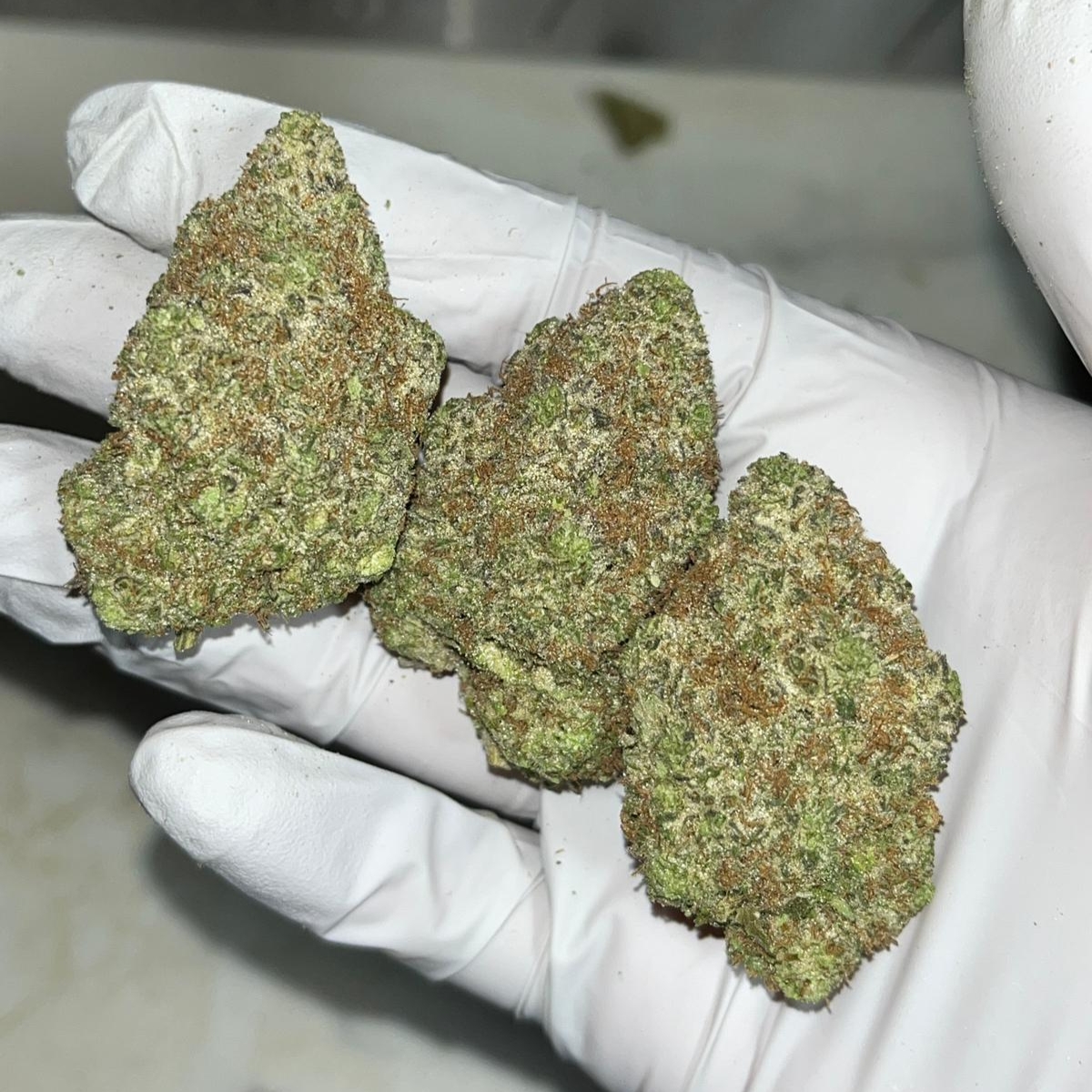
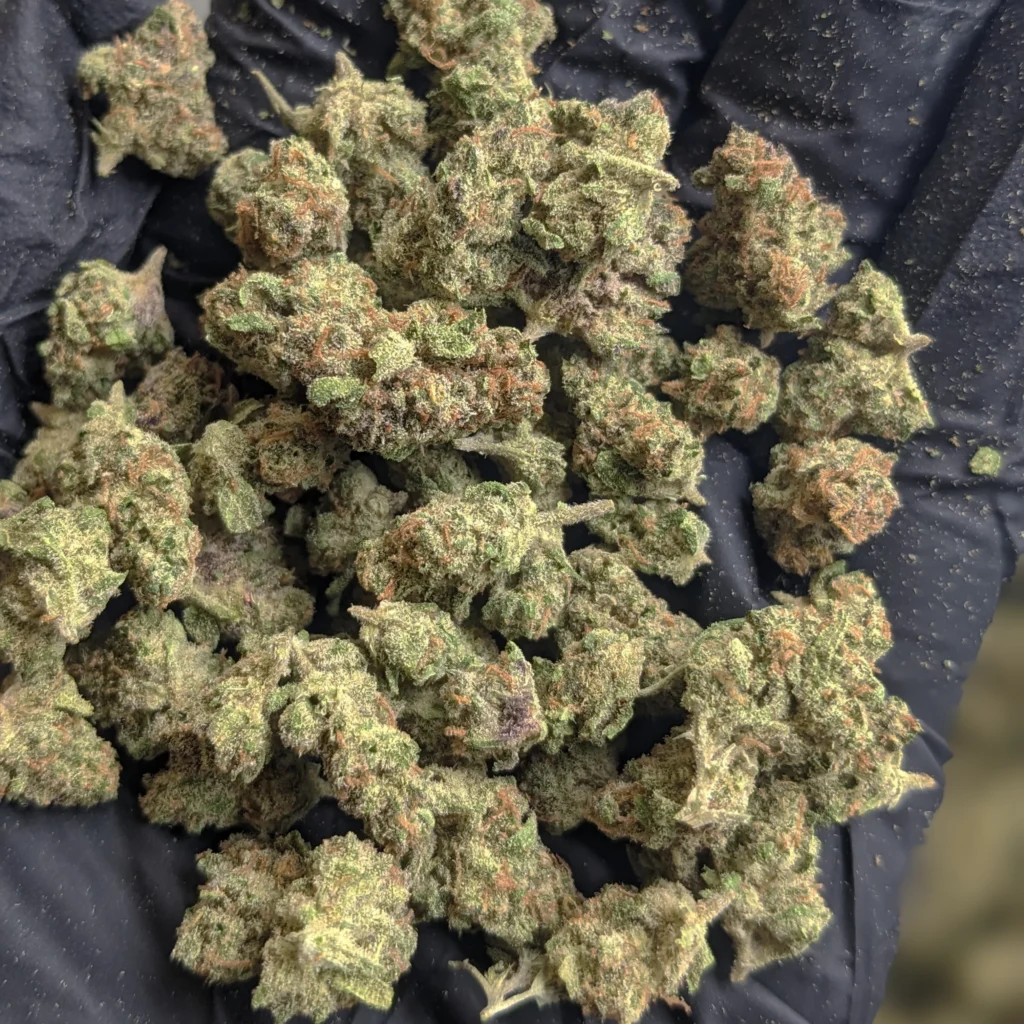
THCA flower refers to cannabis or hemp flower containing tetrahydrocannabinolic acid (THCA).
Cannabis plants naturally produce cannabinoid acids in their trichomes. THCA is one of the major cannabinoid acids found in cannabis and serves as a precursor to delta-9 THC.
The important chemical relationship is:
THCA → heat → THC
When THCA is exposed to sufficient heat, it can undergo decarboxylation and form delta-9 THC.
According to the EUDA, when cannabis is smoked, THCA is partly converted into THC, meaning the THC consumed can come from both THC already present in the plant and THCA converted during heating.
This is the foundation for understanding THCA flower effects.
THCA vs THC: Why the Difference Matters
THCA and THC are closely related but should not be treated as identical compounds.
THCA
Tetrahydrocannabinolic acid is the acidic form produced naturally by the cannabis plant. In its natural acidic form, it is not considered psychoactive.
Delta-9 THC
Delta-9 THC is the principal psychoactive cannabinoid in cannabis.
Decarboxylation
Decarboxylation is the chemical process through which THCA can be converted into THC, particularly when heat is applied.
Therefore:
Unheated THCA ≠ THC
but:
Heated THCA can become THC
This distinction is extremely important when researching the effects of THCA flower.
Does THCA Flower Get You High?
This is probably the most frequently asked question about THCA flower effects.
The answer depends on the form of the cannabinoid.
THCA itself is not considered intoxicating like delta-9 THC.
However, when THCA is heated, some of it can convert into delta-9 THC. THC is psychoactive and can cause intoxication.
The EUDA identifies delta-9 THC as the primary psychoactive component of cannabis and explains that THCA is converted into THC during heating.
Therefore, THCA flower should not automatically be described as non-intoxicating in every situation.
The way the flower is processed and used matters.
What Are the Main THCA Flower Effects?
Because THCA itself is not considered psychoactive, it is important to distinguish the effects of THCA itself from the effects that can occur after THCA is converted to THC.
Research into THCA is still developing. A 2026 review describes acidic cannabinoids such as THCA as an active area of scientific investigation, while emphasizing the need for further research into their therapeutic potential.
Potential areas being investigated include:
- Interaction with cannabinoid-related biological pathways
- Inflammatory processes
- Neurological mechanisms
- Oxidative stress
- Other cellular processes
However, these research areas should not be interpreted as proof that THCA flower treats or cures specific medical conditions.
THCA Flower Effects Before Heating
When THCA remains primarily in its acidic form, it does not produce the classic intoxicating effects associated with delta-9 THC.
This is one of the biggest differences between THCA and THC.
Consumers should therefore be careful when reading online claims about THCA.
A statement such as “THCA does not get you high” can be chemically accurate when referring specifically to unheated THCA, but it does not account for what happens when THCA is exposed to heat.
The distinction between the cannabinoid’s acidic and neutral forms is essential.
THCA Flower Effects After Heating
Heating changes the equation.
When THCA is heated, decarboxylation can occur and produce delta-9 THC.
Because THC is psychoactive, heated THCA-rich flower can produce effects associated with THC.
A recent systematic review and meta-analysis of controlled human studies found that THC can increase subjective feelings of being high, anxiety, and tiredness while reducing alertness in some circumstances. The magnitude and nature of effects varied according to dose and route of administration.
This is why the phrase “THCA flower effects” needs context.
The effects of raw THCA are not necessarily the same as the effects of THC produced through heating.
Common Effects Associated With THC After THCA Conversion
When THCA is converted into THC, possible subjective effects can include:
- Euphoria or feeling high
- Changes in perception
- Altered sense of time
- Relaxation
- Increased tiredness
- Reduced alertness
- Changes in attention
- Changes in short-term memory
- Anxiety or discomfort in some individuals
Not everyone experiences the same effects.
A 2026 systematic review of controlled studies found substantial evidence for THC-related increases in subjective “high” effects and anxiety, with effects varying according to dose and administration route.
Why THCA Flower Effects Differ From Person to Person
There is no single experience that applies to everyone.
The effects of cannabinoids can vary based on factors such as:
Cannabinoid Profile
The amount of THCA, THC, CBD, and other cannabinoids can influence the overall product profile.
Individual Sensitivity
People can respond differently to cannabinoids.
Previous Cannabis Exposure
Research suggests that regular cannabis users may experience less prominent acute cannabinoid effects than people with little or no previous exposure.
Route of Administration
The way cannabinoids enter the body affects their onset, intensity, and duration.
Product Potency
Higher THC exposure can produce stronger subjective effects and may increase the likelihood of unwanted effects.
Individual Circumstances
Factors such as mood, environment, expectations, and other substances can influence the experience.
THCA Flower Effects and THC Concentration
One common mistake is to look only at the advertised THCA percentage.
For example, a product might be marketed as having a very high THCA concentration while showing a relatively low delta-9 THC value.
However, when the material is heated, THCA can be converted into THC.
This means the starting cannabinoid profile does not necessarily represent the final cannabinoid exposure after heating.
The EUDA specifically notes that when cannabis is smoked, THCA is converted into THC and contributes to the total THC consumed.
Understanding Decarboxylation
Decarboxylation is one of the most important concepts in understanding THCA flower effects.
THCA is an acidic cannabinoid.
When exposed to heat, it can lose a carboxyl group and form delta-9 THC.
Simplified:
THCA → THC + CO₂
This chemical change explains why heated cannabis can produce very different effects from unheated cannabis.
It also explains why consumers should not assume that a product containing mostly THCA will remain chemically unchanged when exposed to heat.
Does THCA Flower Have Medical Effects?
This question requires particular care.
Research into THCA and other acidic cannabinoids is ongoing. A 2026 review identified promising biological mechanisms involving acidic cannabinoids, but this area remains an evolving research field.
There is not sufficient clinical evidence to claim that commercially available THCA flower is a proven treatment for specific diseases or medical conditions.
This distinction is important because research involving:
- purified THCA,
- laboratory models,
- animal studies,
- pharmaceutical cannabinoid preparations,
- or other cannabinoids
cannot automatically be applied to commercially available THCA flower.
Consumers should be cautious about websites that present preliminary research as established medical fact.
THCA Flower Effects and Potential Research Areas
Scientists are investigating THCA in several areas.
Inflammatory Pathways
Preclinical cannabinoid research has examined how acidic cannabinoids may interact with biological pathways associated with inflammation.
However, laboratory findings do not prove that THCA flower produces a clinically meaningful anti-inflammatory effect in humans.
Neurological Research
THCA has also attracted interest in research involving neurological and cellular mechanisms.
Again, much more human research is needed before specific therapeutic conclusions can be made.
Oxidative Stress
Cannabinoids are being investigated in relation to oxidative processes and cellular biology.
These findings are scientifically interesting but should not be interpreted as proof that THCA flower is an antioxidant treatment.
THCA Flower Effects vs CBD Flower Effects
THCA flower and CBD flower have substantially different cannabinoid profiles.
| THCA Flower | CBD Flower |
|---|---|
| High in THCA | High in CBD and/or CBDA |
| THCA can convert into THC when heated | CBD does not convert into THC in the same way |
| Heating can result in THC exposure | Primarily associated with CBD |
| Often marketed around cannabinoid content | Often marketed around CBD content |
The two products should therefore not be treated as interchangeable.
THCA Flower Effects and Terpenes
Cannabinoids are only part of the chemical profile of cannabis flower.
Cannabis also contains terpenes, aromatic compounds responsible for many of the distinctive smells and flavors associated with different cultivars.
Common terpene profiles may produce aromas described as:
- Citrus
- Fruity
- Sweet
- Floral
- Earthy
- Herbal
- Spicy
- Woody
The terpene profile can vary according to genetics, cultivation, harvest, curing, and storage.
As a result, two THCA flower products with similar cannabinoid percentages can have very different aromas and sensory characteristics.
Does CBD Change THCA Flower Effects?
CBD and THC can interact in complex ways.
Research examining CBD’s influence on the acute effects of THC has produced mixed findings. A systematic review of 16 studies involving 466 participants found that CBD reduced some THC effects in several studies, but results were inconsistent and there was no clear overall dose-response relationship.
Therefore, it is not accurate to claim that CBD will always reduce or cancel THC effects.
The relationship between cannabinoids can depend on factors including:
- Dose
- Ratio
- Route of administration
- Timing
- Individual differences
Potential Unwanted THCA Flower Effects
When THCA is heated and converted into THC, unwanted effects associated with THC can occur.
These may include:
- Anxiety
- Dizziness
- Tiredness
- Reduced alertness
- Impaired coordination
- Changes in perception
- Short-term memory impairment
- Increased heart rate
- Paranoia or discomfort in some people
Research on THC-containing cannabinoid medicines has also identified adverse effects such as dizziness and dose-related problems involving balance, coordination, perception, and drowsiness.
The experience can vary significantly from one person to another.
THCA Flower Effects and Driving
One particularly important issue is impairment.
If THCA has been converted into THC, the resulting THC can affect alertness, perception, coordination, and reaction time.
Research shows that THC can produce measurable subjective and cognitive effects, particularly at higher exposure levels.
Do not drive or operate machinery if you may be impaired.
This is also important from a legal perspective because road-traffic laws can differ from laws governing possession or sale of cannabis products.
Is Smoking THCA Flower Safe?
THCA flower should not be assumed to be risk-free simply because the product is marketed as hemp or THCA.
Smoking involves combustion, which creates smoke and exposes the respiratory system to particulate matter and other combustion products.
The EUDA notes that smoking cannabis converts THCA into THC, while respiratory risks associated with inhaling cannabis smoke are an additional consideration.
Consumers should therefore distinguish between:
the pharmacological effects of cannabinoids
and
the health risks associated with a particular delivery method.
Why Laboratory Testing Matters
If you are interested in THCA flower effects, laboratory testing is one of the most important factors to consider.
A reliable Certificate of Analysis (COA) can provide information about:
- THCA concentration
- Delta-9 THC concentration
- CBD
- CBG
- Other cannabinoids
- Terpenes
- Pesticides
- Heavy metals
- Microbiological contaminants
Batch-specific testing is particularly valuable because cannabinoid concentrations can vary between products and production batches.
A product description alone should not be treated as a substitute for laboratory analysis.
How to Read a THCA Flower COA
When reviewing a Certificate of Analysis, pay attention to the following.
THCA
This indicates the measured concentration of tetrahydrocannabinolic acid.
Delta-9 THC
This indicates the measured concentration of delta-9 THC.
Other Cannabinoids
CBD, CBG, CBC, CBN, and other cannabinoids can provide additional information about the product.
Testing Date
Recent testing can provide more relevant information about the current batch.
Batch Number
The batch number helps establish that the report corresponds to the product being sold.
Contaminant Testing
Depending on the laboratory and market, testing may cover pesticides, heavy metals, microbes, and other contaminants.
Popular THCA Flower Cultivars
THCA flower is available in many different cultivars, including popular names such as:
- Gelato
- Runtz
- Zkittlez
- Wedding Cake
- White Runtz
- Purple Punch
- Blue Dream
- Apple Fritter
- Ice Cream Cake
- Oreoz
- GMO
- Lemon Cherry Gelato
- Permanent Marker
- RS11
Each cultivar can have a different cannabinoid and terpene profile.
Importantly, a strain name does not guarantee a specific THCA or THC percentage.
For accurate information, check the laboratory report for the specific batch.
THCA Flower Effects and Legal Status in Europe
The effects of THCA and the legal status of THCA flower are separate issues.
A product can have a particular chemical profile without automatically being legal for sale, possession, import, or consumption in every European country.
Cannabis and cannabinoid regulations vary across Europe.
Rules can depend on:
- THC concentration
- THCA concentration
- Product classification
- Intended use
- National controlled-substance legislation
- Import requirements
- Labeling requirements
- Marketing restrictions
Therefore, consumers and businesses should always verify the current regulations in the relevant jurisdiction.
Why “THCA Flower” Does Not Mean the Same Thing Everywhere
The term THCA flower describes a cannabinoid profile, but it does not by itself establish a product’s legal classification.
A retailer, importer, or distributor should therefore avoid assuming:
“High THCA + low delta-9 THC = automatically legal.”
Regulatory definitions can differ between countries, and laws can change.
For commercial buyers, independent legal and regulatory due diligence is essential.
THCA Flower Effects: What Is Actually Known?
The science can be summarized in a few important points.
1. THCA Is Different From THC
THCA is the acidic precursor of delta-9 THC.
2. THCA Is Not Considered Psychoactive
In its acidic form, THCA is not considered psychoactive like delta-9 THC.
3. Heat Changes THCA
Heating can convert THCA into THC through decarboxylation.
4. THC Can Produce Intoxicating Effects
THC can cause euphoria, altered perception, reduced alertness, anxiety, tiredness, and other subjective effects.
5. Research on THCA Is Still Developing
THCA has attracted scientific interest, but evidence for specific therapeutic applications remains limited and developing.

Frequently Asked Questions About THCA Flower Effects
What are the effects of THCA flower?
Unheated THCA itself is not considered intoxicating like delta-9 THC. However, heating can convert THCA into THC, resulting in effects associated with THC, including intoxication and altered perception.
Does THCA flower get you high?
THCA itself does not produce the same intoxicating effects as THC. However, when THCA is heated and converted into THC, it can produce a high.
Does THCA turn into THC?
Yes. Heat can cause THCA to undergo decarboxylation and convert into delta-9 THC.
How long do THCA flower effects last?
There is no single duration that applies to everyone. Effects depend on factors such as the amount of THC ultimately produced, route of administration, individual sensitivity, previous cannabis exposure, and product composition.
Can THCA flower cause anxiety?
THCA itself is not considered intoxicating like THC, but when THCA is converted into THC, anxiety can occur in some people. A 2026 systematic review found increased subjective anxiety following THC administration in controlled studies.
Can THCA flower make you tired?
THC exposure can increase tiredness or drowsiness in some individuals.
Does THCA flower affect memory?
Research on THC indicates that acute administration can temporarily impair aspects of memory, particularly recall.
Are THCA flower effects medically proven?
Research into THCA is ongoing. Although scientists have identified interesting biological mechanisms, there is currently insufficient clinical evidence to describe commercially available THCA flower as a proven treatment for specific diseases.
Is THCA flower legal in Europe?
Its legal status varies between countries and can depend on the product’s cannabinoid profile, classification, intended use, and national regulations.
THCA Flower From THC King Europe
For consumers and businesses researching THCA flower effects, product transparency should be a priority.
THC King Europe focuses on THCA flower and wholesale solutions for the European market.
When comparing THCA flower products, look beyond the headline THCA percentage and consider:
This approach provides a more complete picture of the product and helps buyers make informed decisions.
Final Thoughts on THCA Flower Effects
Understanding THCA flower effects starts with understanding the difference between THCA and THC.
THCA is a naturally occurring acidic cannabinoid that is not considered psychoactive in its original form. However, when exposed to heat, THCA can undergo decarboxylation and convert into delta-9 THC.
Once THC is present, the potential experience can include intoxication, altered perception, relaxation, tiredness, reduced alertness, anxiety, and other effects. Recent controlled research confirms that THC’s subjective effects can vary substantially according to dose and individual factors.
At the same time, research into THCA itself is still developing. Although scientific studies have identified potentially interesting biological properties, it would be premature to describe THCA flower as a proven treatment for specific medical conditions.
For consumers and businesses, the most reliable approach is to focus on accurate cannabinoid information, independent laboratory testing, responsible decision-making, and compliance with local laws.