THCA Flower Benefits: What Does the Research Really Say?
THCA Flower Benefits: A Complete Guide
Interest in THCA flower benefits has grown rapidly as more consumers discover the different cannabinoids naturally produced by cannabis plants.
THCA, short for tetrahydrocannabinolic acid, is one of the primary cannabinoid acids found in raw cannabis. It is chemically related to delta-9 THC but has important differences. According to the European Union Drugs Agency (EUDA), THCA is one of the most abundant non-psychoactive cannabinoid acids in cannabis and can be converted into THC through a process called decarboxylation.
But what are the actual benefits of THCA flower?
This is where it is important to separate scientific evidence from marketing claims.
Research into THCA and other cannabinoids is ongoing. Some laboratory and preclinical research has investigated THCA’s biological properties, but there is currently not enough high-quality clinical evidence to describe THCA flower as a proven treatment for specific medical conditions.
This guide explains what THCA is, the potential properties researchers are investigating, how THCA differs from THC, and what consumers should consider when evaluating THCA flower.
What Is THCA Flower?
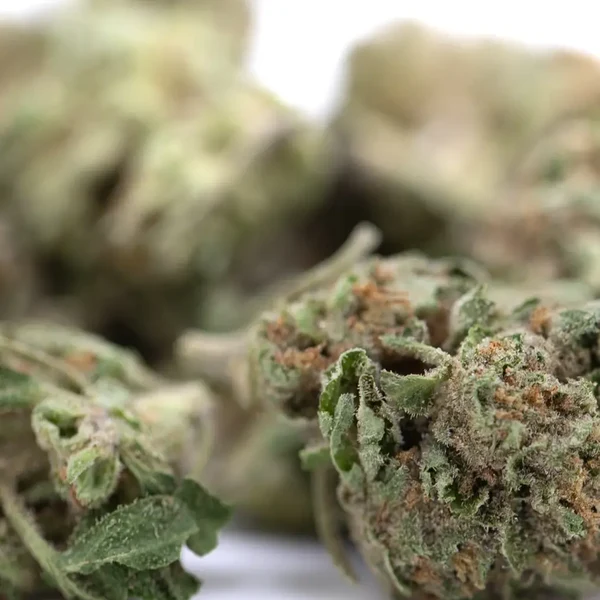
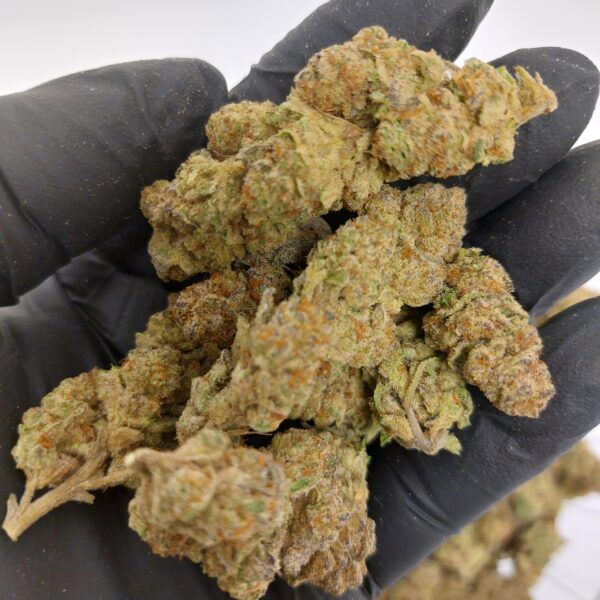
THCA flower is cannabis or hemp flower containing naturally occurring tetrahydrocannabinolic acid.
Cannabis plants produce cannabinoid acids such as THCA and CBDA in their glandular trichomes. The plant’s genetics and growing conditions influence how much of each cannabinoid is produced.
THCA is the acidic precursor to delta-9 THC.
When exposed to heat, THCA can undergo decarboxylation, converting it into THC.
In simplified form:
THCA → heat → THC
This is an important distinction when discussing THCA flower because the chemical profile of the flower can change significantly when heated.
Is THCA the Same as THC?
No.
Although THCA and THC are closely related, they are different cannabinoids.
THCA
Tetrahydrocannabinolic acid is the acidic form naturally produced by the cannabis plant.
Delta-9 THC
Delta-9 THC is the principal psychoactive cannabinoid in cannabis.
Decarboxylation
Heat can convert THCA into delta-9 THC.
The EUDA explains that when THCA is decarboxylated into THC, it produces the intoxicating effects associated with THC, including altered perception and the feeling of being high.
This means that the potential properties of unheated THCA should not automatically be equated with the effects of THC.
What Are the Potential THCA Flower Benefits?
The phrase “THCA flower benefits” is frequently used online, but it is important to understand what is actually supported by scientific evidence.
Researchers have investigated THCA in several areas, including its biological activity and potential therapeutic applications.
However, most of the evidence remains preclinical or limited, rather than demonstrating established benefits of commercially available THCA flower in humans.
Potential research areas include:
- Cannabinoid receptor activity
- Inflammatory pathways
- Neuroprotective mechanisms
- Nausea and appetite-related pathways
- Oxidative stress
- Other biological processes
These areas are interesting scientifically, but they should not be presented as proven medical benefits.
1. THCA and Inflammatory Research
One area of interest in cannabinoid research is inflammation.
Scientists have investigated whether cannabinoids and cannabinoid acids can interact with biological pathways involved in inflammatory responses.
Some preclinical research has suggested that THCA may have biological activity relevant to inflammation.
However, laboratory findings do not automatically demonstrate that consuming THCA flower provides a clinically meaningful anti-inflammatory effect in humans.
More human research is needed before definitive conclusions can be made.
Therefore, it is more accurate to describe anti-inflammatory activity as an area of scientific investigation, rather than a proven THCA flower benefit.
2. THCA and Neuroprotective Research
Another area being investigated is the relationship between THCA and neurological processes.
Researchers have explored whether cannabinoid acids may influence pathways associated with neuronal health and oxidative stress.
This has generated interest in the potential neuroprotective properties of THCA.
However, much of the available evidence is based on laboratory or animal models.
Results from these studies cannot automatically be translated into medical benefits for people consuming THCA flower.
Future clinical research will be necessary to determine whether these mechanisms have meaningful applications in humans.
3. THCA and Nausea Research
Cannabinoids have been studied extensively in relation to nausea and vomiting.
The EUDA notes that some cannabinoid-based medicines have recognized medical applications, including specific uses involving nausea associated with cancer chemotherapy.
However, this does not mean that THCA flower itself has been established as a treatment for nausea.
THCA and THC are different compounds, and evidence concerning pharmaceutical THC or other cannabinoids should not automatically be applied to raw THCA flower.
This distinction is particularly important when evaluating health claims online.
4. THCA and Oxidative Stress
Oxidative stress is another area of interest in cannabinoid research.
Laboratory studies have investigated the interaction between cannabinoid compounds and biological processes associated with oxidative stress.
THCA has attracted scientific interest because of its molecular properties and potential biological activity.
Nevertheless, laboratory evidence is not equivalent to clinical evidence.
Consumers should therefore be cautious of websites claiming that THCA flower is a proven antioxidant treatment.
At present, such claims go beyond what the available clinical evidence can establish.
5. THCA Without the Typical THC Intoxication
One of the most important characteristics of THCA is that THCA itself is not considered psychoactive in the same way as delta-9 THC.
The EUDA identifies THCA as a non-psychoactive cannabinoid acid that can be converted into THC through decarboxylation.
This chemical distinction is one reason why THCA has attracted so much attention.
However, it is important not to confuse non-intoxicating with proven therapeutic.
A compound can have different psychoactive properties without necessarily providing established medical benefits.
THCA Flower Benefits vs THC Effects
THCA and THC should be considered separately.
| THCA | Delta-9 THC |
|---|---|
| Acidic cannabinoid | Neutral cannabinoid |
| Naturally produced by cannabis | Formed naturally and through THCA decarboxylation |
| Not considered intoxicating in its acidic form | Psychoactive |
| Can convert to THC when heated | Produces THC-associated intoxication |
| Research is ongoing | More extensively studied |
The EUDA explains that heating can convert THCA into THC and that this transformation has implications for both the effects and measurement of cannabis products.
Why Heating Changes THCA
Understanding decarboxylation is essential when discussing THCA flower benefits.
Raw cannabis flower contains cannabinoid acids such as THCA.
When heat is applied, the molecules can undergo decarboxylation.
The simplified reaction is:
THCA → THC + CO₂
This means that heating THCA-rich flower can change its cannabinoid profile.
The EUDA notes that decarboxylation commonly occurs through heating, including smoking, vaporising, or baking.
Therefore, claims about the properties of unheated THCA should not automatically be applied to heated cannabis flower.
Does THCA Flower Get You High?
This is another common question related to THCA flower benefits.
THCA itself is not considered intoxicating like delta-9 THC.
However, heating THCA can convert it into THC.
Once converted, THC can produce psychoactive effects.
The EUDA describes THC as the main psychoactive component of cannabis and explains that THCA decarboxylation produces the effects associated with cannabis intoxication.
This is why consumers should understand the difference between:
THCA before heating
and
THC produced through decarboxylation.
THCA Flower and the Entourage Effect
Another popular topic in cannabis discussions is the entourage effect.
The concept suggests that cannabinoids and terpenes may interact with each other and potentially influence the overall biological effects of cannabis.
Cannabis contains numerous cannabinoids as well as aromatic compounds called terpenes.
However, the exact extent and clinical significance of these interactions remain subjects of scientific investigation.
Consumers should therefore be cautious about marketing claims that suggest a specific terpene or cannabinoid combination will necessarily produce a particular medical effect.
Why Terpenes Matter in THCA Flower
THCA is only one component of cannabis flower.
Different cultivars can contain different terpene profiles.
Terpenes can contribute aromas described as:
- Fruity
- Citrus
- Sweet
- Floral
- Earthy
- Herbal
- Spicy
- Woody
The cannabinoid and terpene profile can vary depending on:
- Genetics
- Cultivation conditions
- Harvest timing
- Drying
- Curing
- Storage
This is why premium flower should be evaluated according to its complete profile rather than THCA concentration alone.
THCA Flower Benefits and Product Quality
If you are purchasing THCA flower, product quality is an important consideration.
A high THCA percentage alone does not guarantee a high-quality product.
Other factors include:
Genetics
Stable genetics can help create more consistent cannabinoid and terpene profiles.
Cultivation
Growing conditions can influence the plant’s chemical composition.
Harvesting
Harvest timing can affect cannabinoid and terpene development.
Drying and Curing
Post-harvest processing can influence aroma, appearance, moisture, and overall product quality.
Storage
Appropriate storage can help maintain product characteristics.
Why Laboratory Testing Matters
A professional Certificate of Analysis (COA) is one of the most useful tools for evaluating THCA flower.
Laboratory testing may provide information about:
- THCA
- Delta-9 THC
- CBD
- CBG
- Other cannabinoids
- Terpenes
- Pesticides
- Heavy metals
- Microbiological contaminants
For wholesale buyers, batch-specific testing is particularly important.
A laboratory report helps confirm what is actually present in the product rather than relying exclusively on marketing descriptions.
THCA Flower Benefits and Legal Considerations
Potential biological properties and legal status are two completely different questions.
THCA flower is not automatically legal throughout Europe.
European countries can have different rules concerning:
- Hemp
- Cannabis flower
- THC
- THCA
- Controlled substances
- Product classification
- Importation
- Retail sales
- Advertising
The EUDA’s current European cannabis reporting highlights the increasing diversity of cannabis and cannabinoid products and the fact that regulatory approaches differ across Europe.
Businesses should therefore verify the laws applicable to their specific country and product before importing, distributing, marketing, or selling THCA flower.
Are THCA Flower Benefits Medically Proven?
This is one of the most important questions to answer accurately.
No broad set of medical benefits from THCA flower has been definitively established through high-quality human clinical evidence.
Cannabis and cannabinoids have been investigated for various medical applications, and some cannabinoid-based medicines have recognized uses.
However, evidence for one cannabinoid or pharmaceutical preparation should not automatically be transferred to raw THCA flower.
The EUDA emphasizes that the evidence for medical cannabis varies by product, cannabinoid composition, condition, dosage, and route of administration.
Therefore, THCA flower should not be marketed as a proven treatment or cure for a disease.
THCA Flower Benefits: What Research Can and Cannot Tell Us
It helps to divide claims into three categories.
Established Scientific Fact
THCA is a naturally occurring cannabinoid acid.
Promising Research Area
Laboratory and preclinical research can identify biological mechanisms worth investigating further.
Proven Medical Benefit
A demonstrated benefit requires appropriate human clinical evidence.
Many online articles incorrectly treat the second category as though it were the third.
For responsible THCA content, this distinction is essential.
Potential Benefits vs Marketing Claims
When searching for THCA flower benefits, consumers may encounter claims that THCA can:
- Treat inflammation
- Relieve chronic pain
- Treat anxiety
- Cure neurological diseases
- Improve sleep
- Treat cancer
- Replace prescription medicines
Such claims should be approached very cautiously.
Research into cannabinoids is active and promising in several areas, but THCA flower should not be presented as a cure or substitute for medical treatment without appropriate clinical evidence.
Anyone considering cannabinoids for a medical condition should speak with a qualified healthcare professional.
THCA Flower vs CBD Flower
THCA flower and CBD flower are different products.
THCA Flower
Generally characterized by higher THCA concentrations.
CBD Flower
Generally cultivated for higher CBD and/or CBDA concentrations and low THC levels.
Both contain naturally occurring plant compounds, but their cannabinoid profiles differ substantially.
Neither should automatically be considered a medical treatment simply because it is marketed as a hemp product.
THCA Flower Benefits for Consumers
For consumers interested in THCA flower, the most practical benefits of choosing a well-documented product relate to transparency and product quality, rather than unproven medical promises.
A professionally documented product can offer:
- Clear cannabinoid information
- Batch-specific laboratory testing
- Greater product transparency
- Better understanding of cannabinoid composition
- More reliable product comparison
This allows consumers to make more informed purchasing decisions.
THCA Flower Benefits for Wholesale Buyers
For retailers and distributors, the most important considerations are often different.
Wholesale buyers should evaluate:
Quality + Consistency + Testing + Documentation + Traceability + Compliance
A reliable THCA flower supplier should be able to provide appropriate product information and relevant laboratory documentation.
Businesses should also verify the rules applicable to their destination market.
The legal classification of THCA flower can differ between jurisdictions, so a supplier’s general statement that a product is “legal in Europe” should never replace independent compliance checks.
Popular THCA Flower Cultivars
The modern THCA flower market includes many popular cultivars, including:
- Gelato
- Runtz
- Zkittlez
- Wedding Cake
- White Runtz
- Purple Punch
- Blue Dream
- Apple Fritter
- Ice Cream Cake
- Oreoz
- GMO
- Lemon Cherry Gelato
- Permanent Marker
- RS11
Each cultivar can have its own cannabinoid and terpene profile.
However, a cultivar name does not guarantee a specific THCA percentage or product quality.
Always check the laboratory results for the actual batch.
Frequently Asked Questions About THCA Flower Benefits
What are the benefits of THCA flower?
THCA is being investigated for several biological properties, including pathways related to inflammation and neurological processes. However, there is currently insufficient high-quality human evidence to describe THCA flower as a proven treatment for specific medical conditions.
Is THCA good for you?
There is not enough clinical evidence to make a general statement that THCA flower is beneficial for health. Research is ongoing, and effects can depend on the product, cannabinoid profile, route of administration, and individual factors.
Is THCA flower medicinal?
THCA flower should not automatically be considered a medicine. Some cannabinoid-based medicines have recognized medical applications, but evidence for pharmaceutical products cannot automatically be applied to commercially available THCA flower.
Does THCA flower get you high?
THCA itself is not considered intoxicating like THC. However, heating THCA can convert it into delta-9 THC, which is psychoactive.
Does THCA turn into THC?
Yes. THCA can undergo decarboxylation when heated and convert into delta-9 THC.
What is the difference between THCA and THC?
THCA is the acidic precursor of delta-9 THC. THC is the psychoactive cannabinoid that can be produced when THCA undergoes decarboxylation.
Are THCA flower benefits scientifically proven?
Some potential biological properties have been investigated in preclinical research, but broad medical benefits of THCA flower have not been conclusively established through high-quality human clinical trials.
Is THCA flower legal in Europe?
Its legal status varies by country, product type, cannabinoid profile, intended use, and applicable national legislation. European regulations are not completely uniform.
Why is laboratory testing important?
Laboratory testing can verify the cannabinoid profile and may provide information about contaminants and other quality parameters.
THCA Flower From THC King Europe
For buyers exploring the European THCA flower market, choosing a transparent supplier is an important part of responsible sourcing.
THC King Europe focuses on THCA flower and wholesale solutions for customers interested in the European market.
When comparing THCA flower products, buyers should look beyond headline percentages and consider:
This approach makes it easier to compare products based on measurable information rather than unsupported marketing claims.
Final Thoughts on THCA Flower Benefits
The growing interest in THCA flower benefits reflects the wider interest in cannabinoids and their potential biological properties.
THCA is a naturally occurring cannabinoid acid that differs from delta-9 THC. Research has identified several interesting areas for further investigation, but it is important not to confuse promising laboratory findings with proven medical benefits.
The strongest facts are clear:
THCA is naturally produced by cannabis plants.
THCA is different from delta-9 THC.
Heating can convert THCA into THC.
Research into THCA’s biological properties is ongoing.
There is currently insufficient evidence to describe THCA flower as a proven treatment for specific diseases.
For consumers and businesses, quality and transparency are therefore more important than exaggerated health claims. Batch-specific laboratory testing, clear cannabinoid information, reliable sourcing, and awareness of local regulations are essential when evaluating THCA flower.