How to Smoke THCA Flower: What You Should Know Before Using THCA Flower
How to Smoke THCA Flower: A Complete Guide
The search term “How to smoke THCA flower” has become increasingly popular as interest in THCA products continues to grow.
THCA flower is often discussed in connection with hemp and cannabis because it naturally contains tetrahydrocannabinolic acid (THCA), the acidic precursor of delta-9 THC. One of the most important characteristics of THCA is that heating can cause it to undergo decarboxylation, converting it into THC. The European Union Drugs Agency (EUDA) confirms that decarboxylation generally occurs through heating, including when cannabis is smoked or vaporised.
However, there is an important distinction between explaining the science behind smoking THCA flower and providing instructions for consuming it.
This guide focuses on the chemistry, effects, health considerations, product quality, and legal questions surrounding heated THCA flower rather than providing a step-by-step smoking tutorial.
What Is THCA Flower?
THCA flower refers to cannabis or hemp flower containing naturally occurring tetrahydrocannabinolic acid.
THCA is produced naturally by cannabis plants and is concentrated in the plant’s resin-producing trichomes.
Unlike delta-9 THC, THCA itself is generally described as non-intoxicating. However, this changes when THCA is exposed to heat.
The EUDA explains that THCA can be converted into THC through decarboxylation.
This chemical transformation is one of the most important things to understand when researching how to smoke THCA flower.
What Happens When THCA Flower Is Heated?
The relationship between THCA and THC can be summarized simply:
THCA → heat → THC
THCA contains an additional carboxyl group. During decarboxylation, this group is removed and THCA becomes delta-9 THC.
When cannabis flower is smoked, the heat involved in combustion causes some THCA to convert into THC. The EUDA specifically notes that when natural cannabis products are smoked, the total THC consumed includes THC already present in the plant as well as THC formed from THCA during heating.
This is why THCA flower should not be thought of as chemically identical to unheated THCA.
Does Smoking THCA Flower Produce THC?
Yes.
Heating THCA can result in conversion to delta-9 THC.
The amount of conversion is affected by multiple factors, including temperature, duration of heating, moisture, and the characteristics of the plant material.
The process is not necessarily 100% efficient, meaning that not every molecule of THCA will automatically become THC.
Nevertheless, the fundamental chemical transformation is well established.
This is also why the cannabinoid profile listed on a laboratory report should be interpreted carefully.
Does THCA Flower Get You High When Smoked?
This is one of the most common questions surrounding THCA flower.
THCA itself is not considered intoxicating in the same way as delta-9 THC. However, heating can convert THCA into delta-9 THC, which is psychoactive.
The EUDA explains that decarboxylation of THCA into THC produces effects associated with cannabis intoxication, including feeling “high,” relaxation, and altered perception.
Therefore, a product containing a high level of THCA should not automatically be regarded as non-intoxicating once it is exposed to heat.
Smoking THCA Flower vs Unheated THCA
The difference can be illustrated as follows:
| THCA flower before heating | THCA flower after heating |
|---|---|
| Predominantly THCA | Increased conversion of THCA to THC |
| THCA is not considered intoxicating like THC | THC can produce intoxicating effects |
| Cannabinoid profile remains largely acidic | Decarboxylation changes the cannabinoid profile |
| No combustion involved | Combustion can produce smoke and harmful by-products |
This distinction is particularly important for anyone researching THCA flower vs THC flower.
Is Smoking THCA Flower Safe?
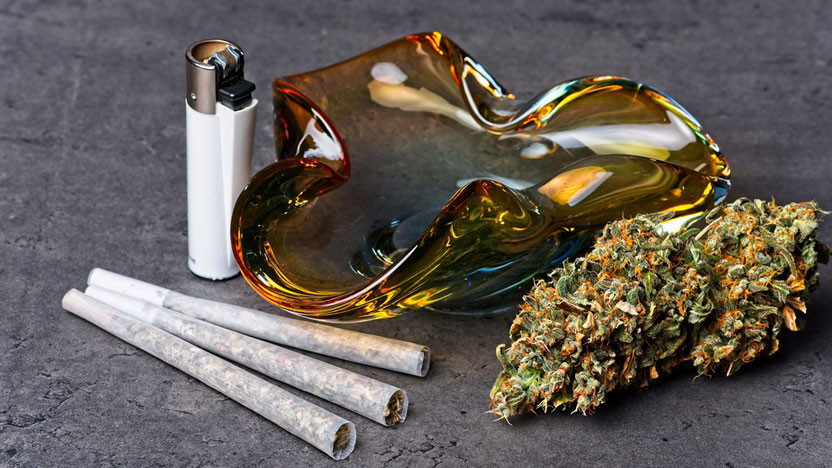
Smoking cannabis flower involves combustion.
Combustion produces smoke containing various substances that can irritate or damage the respiratory system.
The CDC states that smoked marijuana can harm lung tissues and cause damage to small blood vessels.
The EUDA also notes that inhaling smoke from burning plant material is not considered a healthy method of delivering cannabinoids because the smoke contains harmful tars and particles that can damage the lungs.
Therefore, the fact that a product is marketed as THCA flower does not make smoking it harmless.
THCA Flower and Respiratory Health
Smoking involves inhaling combustion products.
Potential respiratory concerns associated with cannabis smoke include:
- Coughing
- Airway irritation
- Exposure to particulate matter
- Exposure to combustion by-products
- Potential damage to lung tissue
The CDC has reported that smoked marijuana can harm lung tissues and small blood vessels.
People with existing respiratory problems should be particularly cautious about inhaling smoke.
Smoking THCA Flower With Tobacco
Some people combine cannabis flower with tobacco.
This introduces additional health considerations because tobacco smoke contains nicotine and numerous toxic substances.
The EUDA notes that smoking cannabis mixed with tobacco brings the health risks associated with tobacco use and nicotine dependence.
For this reason, combining THCA or cannabis flower with tobacco is not a risk-free practice.
THCA Flower and Impairment
Another important consideration is impairment.
Once THCA is converted into delta-9 THC through heating, the resulting THC can affect:
- Attention
- Coordination
- Reaction time
- Perception
- Decision-making
The CDC notes that marijuana can impair coordination, distort perception, and reduce reaction time and decision-making ability.
Never drive or operate machinery while impaired.
Why Laboratory Testing Matters
If you are buying THCA flower, a laboratory report is one of the most useful pieces of product documentation.
A professional Certificate of Analysis (COA) may provide information about:
- THCA concentration
- Delta-9 THC concentration
- CBD
- CBG
- Other cannabinoids
- Terpenes
- Pesticides
- Heavy metals
- Microbiological contaminants
A batch-specific laboratory report can help buyers understand the actual cannabinoid profile of a particular product.
However, a COA should not be interpreted as a guarantee that the product is legal everywhere.
Understanding THCA and Total THC
A common mistake is to look only at the delta-9 THC percentage.
THCA is relevant because it can convert into THC when heated.
Some regulatory frameworks therefore use calculations that take THCA into account.
The EUDA describes the analytical relationship between THCA and THC and notes that certain EU food regulations calculate total delta-9 THC using:
Δ9-THC + 0.877 × Δ9-THCA
However, this particular formula applies to specified regulatory contexts and should not automatically be treated as a universal legal formula for THCA flower throughout Europe.
The applicable legislation depends on the product and jurisdiction.
How to Choose Quality THCA Flower
For consumers and businesses interested in THCA flower, quality should involve more than appearance.
Consider the following factors.
1. Laboratory Testing
Look for current, batch-specific laboratory results.
2. Cannabinoid Transparency
The product should provide clear information about THCA and delta-9 THC.
3. Cultivation Quality
Genetics, growing conditions, harvesting, drying, and curing can all influence flower quality.
4. Storage
Appropriate packaging and storage can help preserve product quality.
5. Supplier Transparency
A reputable supplier should be able to provide appropriate product documentation.
THCA Flower Appearance and Quality
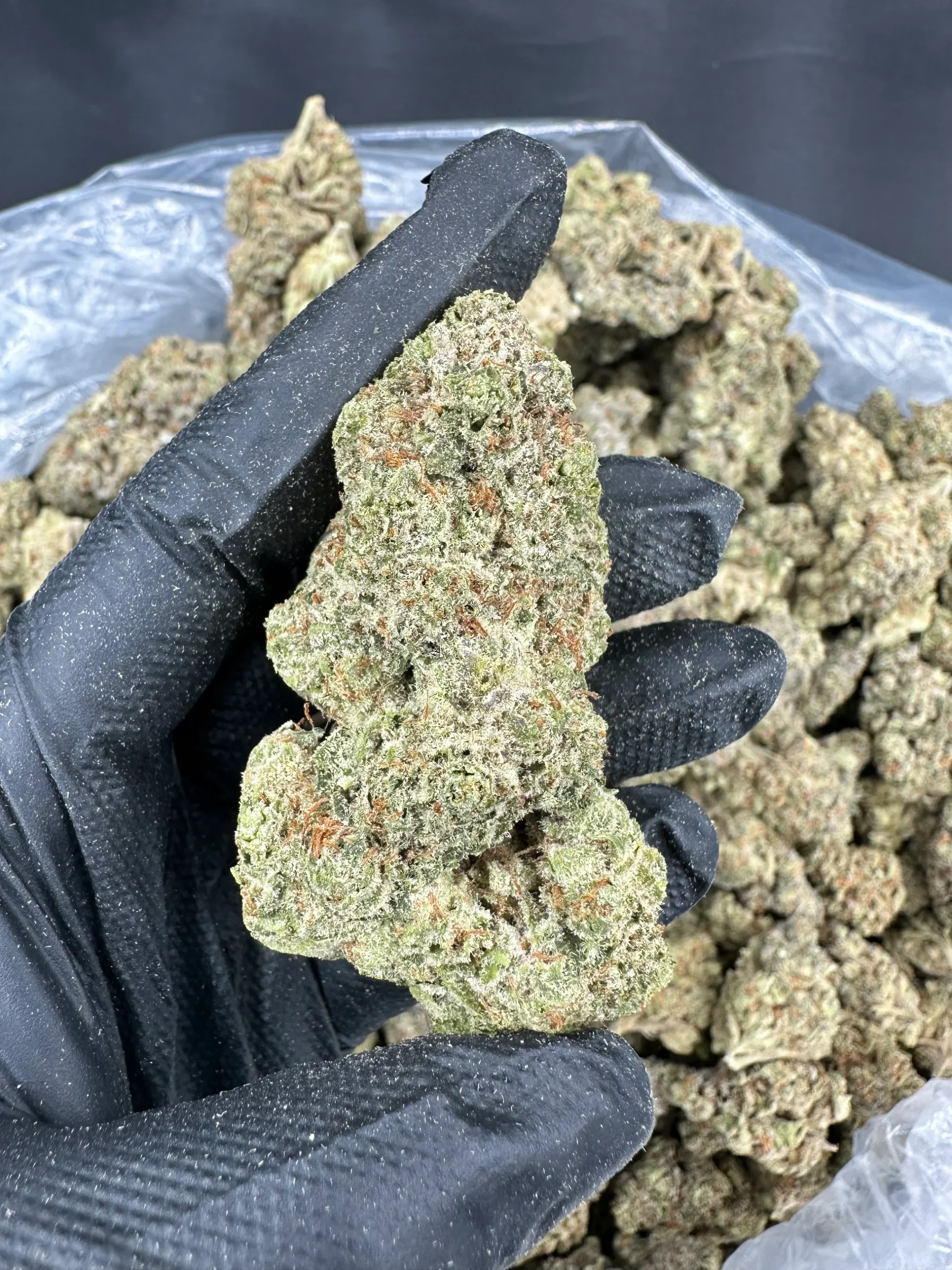
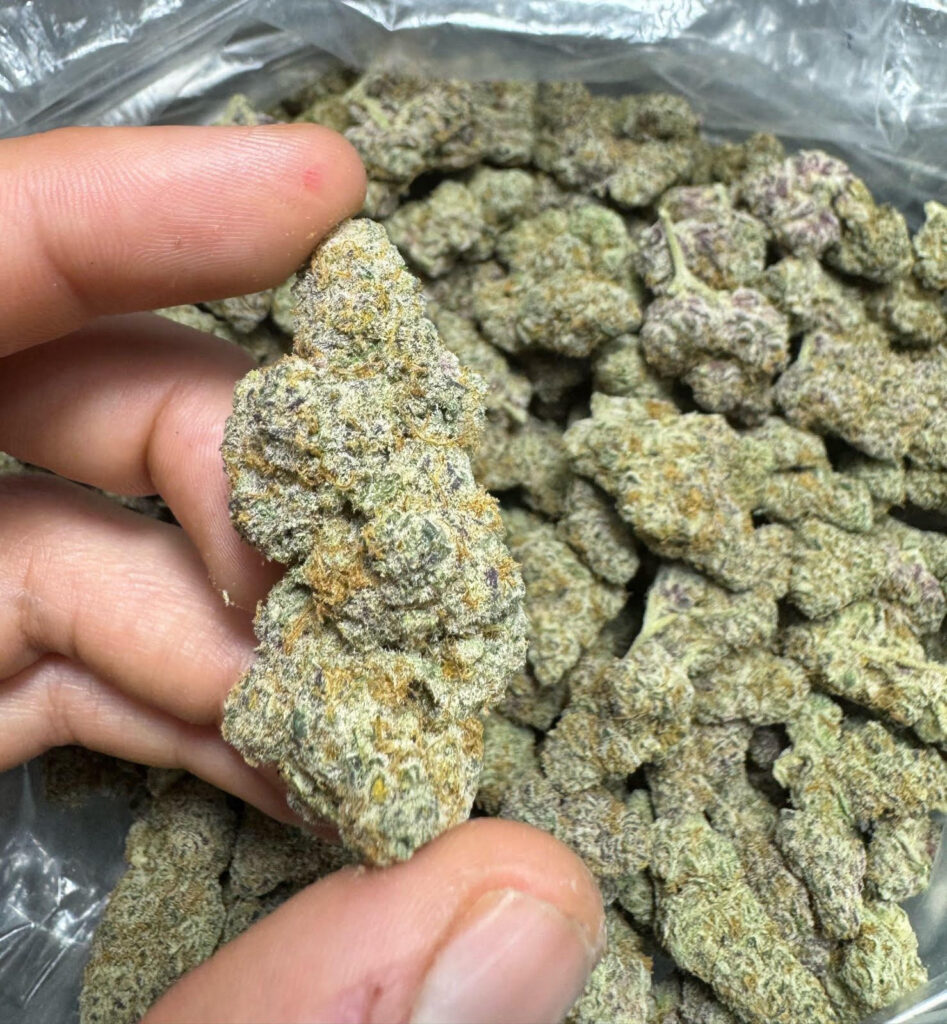
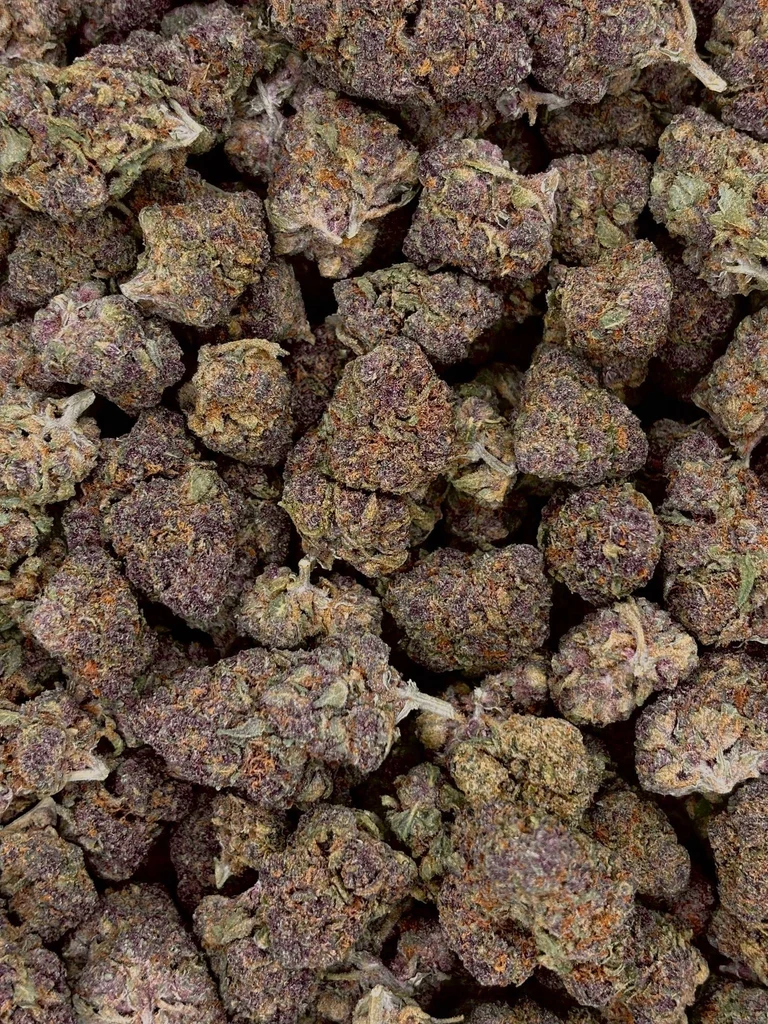
High-quality flower can have dense buds, visible trichomes, distinctive aromas, and attractive coloration.
However, appearance alone cannot tell you:
- The exact THCA concentration
- The exact THC concentration
- Whether pesticides are present
- Whether heavy metals are present
- Whether microbiological contamination exists
Laboratory testing is therefore much more informative than visual inspection alone.
Popular THCA Flower Cultivars
The THCA flower market includes many popular cannabis cultivars.
Examples include:
- Gelato
- Runtz
- Zkittlez
- Wedding Cake
- White Runtz
- Purple Punch
- Blue Dream
- Apple Fritter
- Ice Cream Cake
- Oreoz
- GMO
- Lemon Cherry Gelato
- Permanent Marker
- RS11
Each cultivar can have its own cannabinoid and terpene profile.
However, a strain name alone does not guarantee a specific THCA or THC concentration.
For accurate information, always check the laboratory results for the specific batch.
Can You Identify THCA Flower by Looking at It?
Not reliably.
THCA flower can look very similar to other types of cannabis or hemp flower.
Characteristics such as:
- Color
- Bud density
- Trichome coverage
- Aroma
- Pistil color
can provide information about appearance and quality, but they cannot replace laboratory analysis.
If cannabinoid concentration matters, laboratory testing is essential.
Is THCA Flower Legal?
The legality of THCA flower is a separate question from how it is consumed.
THCA flower is not automatically legal throughout Europe.
European countries can have different rules concerning:
- Hemp
- Cannabis flower
- THC
- THCA
- Controlled substances
- Product classification
- Importation
- Retail sales
- Advertising
- Labeling
The EUDA confirms that cannabis laws and approaches to low-THC cannabis products differ across European countries.
Therefore, consumers and businesses should verify the current law applicable to their specific country.
Is THCA Flower Legal Because It Contains Low Delta-9 THC?
Not necessarily.
A low delta-9 THC result does not automatically mean that every THCA flower product can legally be sold or consumed in every European jurisdiction.
The relevant rules may depend on:
- The product’s complete cannabinoid profile
- How THC is calculated
- Whether THCA is included
- The intended use
- The product category
- National controlled-substance legislation
Businesses should obtain appropriate legal and regulatory advice before importing or selling THCA flower.
Smoking THCA Flower: Important Considerations
If you are researching how to smoke THCA flower, it is important to understand the main considerations before using any cannabis-derived product.
THCA can become THC
Heating causes decarboxylation.
THC can cause impairment
THC can affect perception, coordination, reaction time, and decision-making.
Combustion creates smoke
Smoke contains potentially harmful particles and substances.
Legal rules differ
THCA flower is not governed by one uniform rule throughout Europe.
Product testing matters
A current COA provides useful information about cannabinoid content and product quality.
Is There a Safer Way to Consume THCA Flower?
There is no completely risk-free way to use cannabis products.
Importantly, smoking involves combustion, which creates harmful smoke. The EUDA specifically notes the respiratory concerns associated with inhaling smoke from burning plant material.
Different routes of administration have different risks and regulatory considerations, so consumers should not assume that changing the method automatically makes a product safe.
Anyone considering cannabis or cannabinoid products for medical reasons should discuss appropriate options with a qualified healthcare professional.
Frequently Asked Questions About How to Smoke THCA Flower
How to smoke THCA flower?
Smoking involves heating cannabis flower until combustion occurs, which also causes THCA to convert partly into THC. Because inhaling combustion smoke carries respiratory risks, this article does not provide step-by-step smoking instructions.
Does smoking THCA flower turn THCA into THC?
Yes. Heating causes THCA to undergo decarboxylation, converting some of it into delta-9 THC.
Does THCA flower get you high when smoked?
Heating THCA can produce delta-9 THC, which is psychoactive and can cause intoxication.
Is THCA flower the same as THC flower?
No. THCA is the acidic precursor of THC. Heating can convert THCA into THC.
Is smoking THCA flower safe?
Smoking involves combustion and inhalation of smoke. Health authorities warn that smoked cannabis can harm lung tissue and expose users to harmful substances.
Can THCA flower contain THC?
Yes. Cannabis flower can naturally contain both THCA and delta-9 THC, and heating can also convert THCA into THC.
Why should I check a COA?
A Certificate of Analysis can provide objective information about the cannabinoid profile and other quality parameters of a specific batch.
Is THCA flower legal in Europe?
Its legal status varies by country and product. European countries can apply different rules concerning hemp, cannabis, THC, THCA, and finished products.
THCA Flower From THC King Europe
For businesses and consumers researching premium THCA flower, choosing a transparent supplier is important.
THC King Europe focuses on THCA flower and wholesale solutions for the European market.
When evaluating THCA flower, buyers should look beyond marketing claims and consider:
Quality + Laboratory Testing + Traceability + Cannabinoid Profile + Legal Compliance
A professional approach to sourcing helps buyers make better-informed decisions about the products they purchase.
Final Thoughts on How to Smoke THCA Flower
The phrase “How to smoke THCA flower” often suggests a simple question about consumption, but understanding the chemistry and risks is equally important.
THCA is a naturally occurring acidic cannabinoid. When heated, it can undergo decarboxylation, producing delta-9 THC. This means that heating THCA flower can substantially change its cannabinoid profile and potentially produce intoxicating effects.
At the same time, smoking involves combustion, and inhaling cannabis smoke can expose the respiratory system to harmful particles and substances.
For anyone interested in THCA flower, the most important considerations are product testing, cannabinoid transparency, responsible use, and compliance with local laws.
THCA flower should never be assumed to be legal simply because it is marketed as hemp or contains a particular level of delta-9 THC. Regulations differ between European countries and can change over time.