THCA Vape: Understanding THCA, THC Conversion, Safety and European Regulations
The term THCA vape is increasingly appearing in online searches about cannabis-derived products. THCA, short for tetrahydrocannabinolic acid, is a naturally occurring cannabinoid found in the cannabis plant. It is chemically related to THC, but the two compounds are not identical. One important distinction is that heat can convert THCA into Delta-9 THC, which is psychoactive and can impair attention, coordination and memory.
Understanding THCA vape products requires more than reading a product description. It is important to understand the chemistry of THCA, the effects of heating cannabis material, the potential health risks associated with vaping, the importance of laboratory testing and the laws that apply in different European countries.
At THCa King Europe, readers can explore educational information about cannabinoids and cannabis-derived products. This guide explains the meaning of THCA vape, how THCA differs from THC and CBD, what laboratory reports can tell you and why product safety and legal compliance matter.
What Is a THCA Vape?
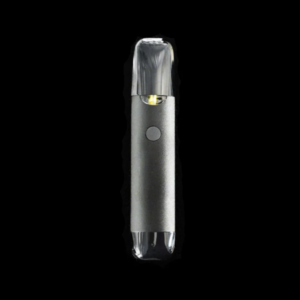
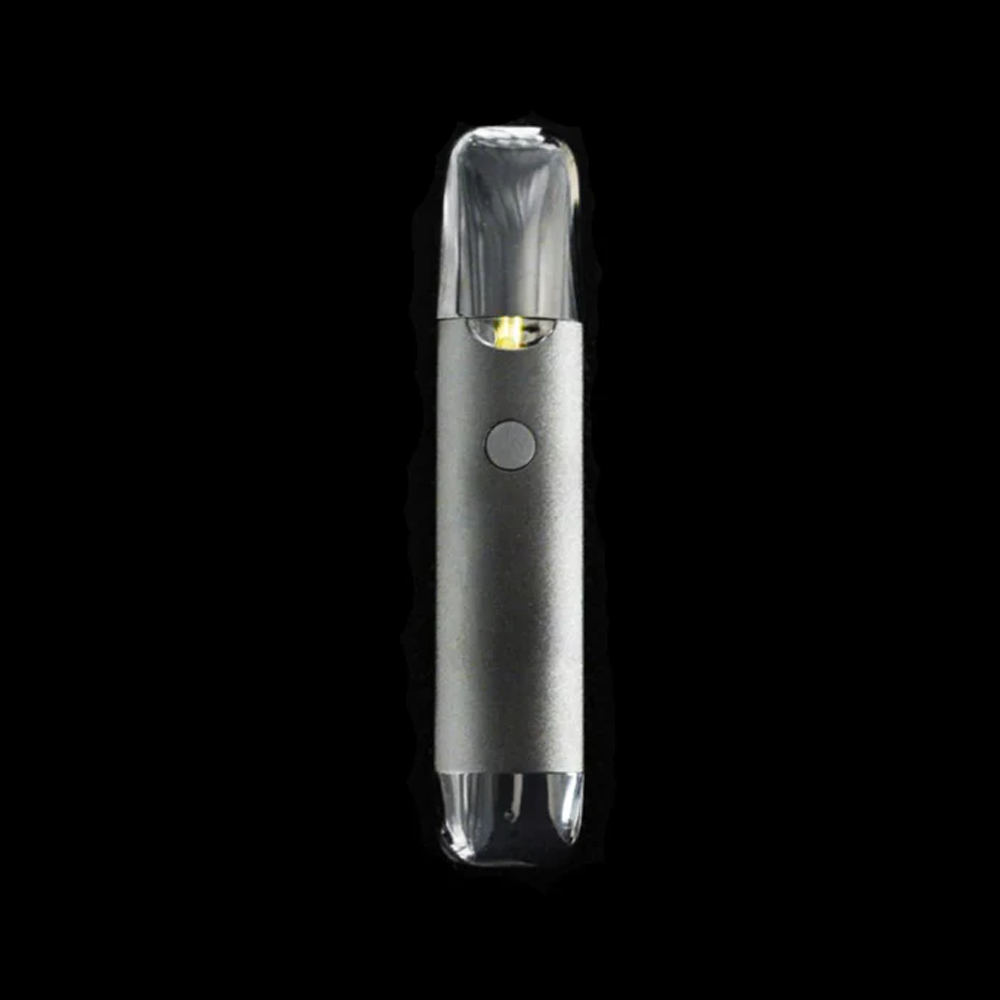
A THCA vape is a term used to describe a vaping product marketed as containing tetrahydrocannabinolic acid (THCA), or cannabis material associated with THCA.
THCA is one of the cannabinoids naturally produced by cannabis plants. In its unheated acidic form, THCA is not considered intoxicating in the same way as Delta-9 THC. However, this distinction changes when THCA is exposed to heat.
Vaping involves heating material to produce an aerosol that is inhaled. When THCA-containing material is heated, some THCA can undergo a chemical process known as decarboxylation, converting into Delta-9 THC.
This means a product advertised as a THCA vape should not automatically be considered non-intoxicating.
The actual cannabinoid composition, the heating conditions, the product formulation and the applicable regulations all matter when assessing a product.
For more educational information about cannabis-derived products, visit the THCa King Europe homepage or explore the THCa King Europe blog.
What Is THCA?
THCA stands for tetrahydrocannabinolic acid. It is an acidic cannabinoid precursor associated with the cannabis plant.
Cannabis plants produce cannabinoid acids, including THCA and CBDA. These compounds can change chemically when exposed to heat or other conditions.
THCA is different from Delta-9 THC in its chemical structure and effects. In its unheated form, THCA is not generally associated with the same intoxicating effects as Delta-9 THC.
However, heating can remove a carboxyl group from the THCA molecule. This process is called decarboxylation and results in the formation of Delta-9 THC.
The US Centers for Disease Control and Prevention (CDC) specifically explains that THCA can convert into THC when exposed to heat, including through smoking, vaping or dabbing.
Read the CDC’s explanation here:
https://www.cdc.gov/cannabis/faq/
This chemical distinction is essential when interpreting product labels, laboratory reports and claims about THCA-containing products.
How Does THCA Convert Into THC?
One of the most important things to understand about a THCA vape is the relationship between THCA and THC.
THCA is the acidic precursor to Delta-9 THC. When exposed to sufficient heat, it can undergo decarboxylation and form THC.
This means that the cannabinoid profile of cannabis material before heating may differ from the compounds present during or after heating.
A laboratory report showing a high THCA concentration does not mean that the product will remain non-intoxicating when heated.
The theoretical potential THC calculation commonly used in cannabis testing is:
Potential total THC = Delta-9 THC + (THCA × 0.877)
The factor 0.877 accounts for the molecular mass lost during decarboxylation. This is a theoretical calculation, not a guarantee of the amount of THC produced during real-world use. Actual conversion depends on several factors, and testing methods and legal definitions can differ between jurisdictions.
The CDC also warns that some products marketed as hemp or THCA products may have a significant potential THC content when heated.
This is why it is important to evaluate the complete cannabinoid profile rather than relying on a single percentage printed on packaging.
THCA Vape vs Delta-9 THC Vape
THCA vape and Delta-9 THC vape are terms that refer to different cannabinoid descriptions, although their effects may overlap when THCA-containing material is heated.
Chemical composition
THCA is the acidic precursor, while Delta-9 THC is the corresponding neutral cannabinoid.
They have different chemical structures and should be identified separately in laboratory reports.
Intoxicating potential
Unheated THCA is not considered intoxicating in the same way as Delta-9 THC. However, heat can convert THCA into THC, which can produce intoxicating effects.
Product information
A reliable product description should distinguish between THCA and Delta-9 THC instead of treating them as interchangeable.
It should also avoid implying that a product is non-intoxicating simply because its pre-heating laboratory report shows a high THCA concentration.
For additional cannabinoid education, readers can visit THCa King Europe.
THCA Vape vs CBD Vape
THCA and CBD are different cannabinoids, and products containing them should not be treated as equivalent.
CBD stands for cannabidiol. It is generally not associated with the same intoxicating effects as Delta-9 THC.
THCA is an acidic cannabinoid precursor that can convert into Delta-9 THC when heated.
This distinction matters when comparing cannabis-derived products. A product described as hemp-derived is not automatically non-intoxicating, and its actual cannabinoid composition should be established through appropriate testing.
Readers interested in learning more about cannabinoids can browse the THCa King Europe blog for additional educational content.
What Should You Know About THCA Vape Laboratory Testing?
Laboratory testing is an important part of understanding cannabis-derived products. A product description or marketing statement cannot replace an independent analytical report.
A Certificate of Analysis (COA) provides laboratory findings for a particular tested sample. Depending on the laboratory and testing panel, it may contain information about the following areas.
1. Cannabinoid profile
A cannabinoid profile identifies the cannabinoids detected in a sample and may report their measured concentrations.
For THCA-containing products, it is useful to distinguish between:
- THCA
- Delta-9 THC
- CBD
- CBDA
- Other cannabinoids included in the testing panel
The report should not combine different cannabinoids into a single figure without explaining how the figure was calculated.
2. Potential total THC
Where relevant, a laboratory report may include a calculated total THC figure.
This can help explain the potential THC content after decarboxylation. However, the calculation should not be mistaken for a direct measurement of the THC produced under every possible heating condition.
3. Residual solvents
Some cannabis-derived concentrates involve extraction or processing methods that may use solvents.
Depending on the manufacturing process, testing may examine whether residual solvents remain in the finished material.
4. Heavy metals and pesticides
Testing may also include screening for heavy metals and pesticide residues.
These tests are particularly relevant when evaluating the overall quality of cannabis-derived materials.
5. Contaminants and additives
Depending on the product, testing may examine microbial contamination or other substances that could affect product quality.
A COA does not automatically cover every possible contaminant. It is important to read the actual report and understand which tests were performed.
6. Batch identification
A laboratory report should identify the sample or batch it relates to.
A report from an unrelated batch does not necessarily establish the composition of the product currently being described.
For more information about cannabinoid terminology and product documentation, visit the THCa King Europe website.
Potential Health Risks Associated With THCA Vaping
Vaping cannabis-derived products is not risk-free. The potential risks depend on the product’s composition, the substances present in the aerosol and individual health factors.
The CDC explains that cannabis oils and concentrates used in vaping may contain highly concentrated THC and can include additives or contaminants. It also notes that vaping has been linked to lung injury.
Some important considerations include:
Respiratory exposure: Vaping creates an aerosol that is inhaled into the respiratory system. The substances in that aerosol may include compounds whose short- and long-term effects are not fully understood.
Uncertain ingredients: Products with unclear ingredients or inadequate manufacturing controls may contain unwanted substances.
Intoxicating effects: When THCA converts into THC through heating, the resulting THC can affect memory, attention, coordination and decision-making.
Impairment: THC can affect a person’s ability to drive or operate machinery safely.
Unknown long-term effects: Research into the long-term health effects of cannabis vaping remains incomplete.
The CDC advises that there is not enough evidence to conclude that one method of cannabis use is universally safer than another.
Official information:
https://www.cdc.gov/cannabis/faq/
Readers should be particularly cautious about products that make unsupported claims such as completely safe, harmless or risk-free.
Why Product Transparency Matters
The cannabis-derived product market contains a wide range of descriptions and marketing terms. Words such as premium, pure, natural and lab-tested do not independently establish product quality.
When evaluating information about a THCA vape, useful documentation should clearly identify:
- The cannabinoid ingredients
- The measured cannabinoid concentrations
- The product’s batch or sample identification
- The laboratory responsible for testing
- The tests included in the report
- Relevant ingredient and safety information
- Manufacturer or responsible business details
Consumers should also be cautious about products with unclear ingredient lists, missing documentation or exaggerated health claims.
A laboratory report is useful evidence, but it is not a guarantee that a product is safe for every person or lawful in every country.
Are THCA Vape Products Legal in Europe?
The legal status of THCA vape products is an important consideration for anyone researching cannabis-derived products in Europe.
There is no single blanket rule that makes every THCA-containing product lawful throughout Europe.
Different countries have different controlled-substance laws and rules governing cannabis-derived products. Legal classification may depend on cannabinoid composition, intended use, product format and national legislation.
The European Union Drugs Agency (EUDA) explains that several EU legal frameworks may apply to cannabis-derived products, including rules relating to medicines, foods, cosmetics and other commercial products.
Its guidance also makes clear that rules governing industrial hemp should not be interpreted as general authorisation for every cannabis-derived product.
Read the official EUDA information:
https://www.euda.europa.eu/publications/faqs/cannabis-laws-in-europe-faq_en
The EUDA also provides a dedicated explanation of medical and commercial cannabis-derived products:
Why hemp-derived does not automatically mean legal
A product may be described as hemp-derived, but that description alone does not establish its legal status.
Agricultural hemp rules, controlled-substance laws and regulations for finished products are different legal matters.
For this reason, consumers and businesses should check the current rules in the specific country concerned rather than assuming that a product permitted in one European jurisdiction is automatically permitted in another.
Frequently Asked Questions About THCA Vape
1. What is a THCA vape?
A THCA vape is a term used for a vaping product marketed as containing THCA or cannabis material associated with THCA. Heating THCA can convert it into Delta-9 THC.
2. Does THCA become THC when heated?
Yes. THCA can undergo decarboxylation when exposed to heat, forming Delta-9 THC. This is why a THCA product should not automatically be considered non-intoxicating when heated.
3. Is THCA the same as Delta-9 THC?
No. THCA is the acidic precursor to Delta-9 THC. They have different chemical structures, although heat can convert THCA into THC.
4. Is a THCA vape the same as a CBD vape?
No. THCA and CBD are different cannabinoids. THCA can convert into intoxicating THC when heated, while CBD is not generally associated with the same intoxicating effects.
5. Can THCA vaping cause intoxication?
Yes. When THCA is heated, it can convert into Delta-9 THC. THC can produce intoxicating effects and impair attention, coordination and memory.
6. Why is laboratory testing important?
Laboratory testing can help establish the cannabinoid profile of a product and may include screening for residual solvents, heavy metals, pesticides or other contaminants, depending on the testing panel.
7. Are THCA vape products legal throughout Europe?
No single rule applies to every European country. The legal status depends on the relevant national legislation and the classification and composition of the product.
8. Is vaping cannabis completely safe?
No. Cannabis vaping can expose the respiratory system to aerosols containing potentially harmful substances. The full short- and long-term health effects are not yet completely understood.
9. Can THC from a THCA vape affect driving?
Yes. THC can impair reaction time, coordination, attention and decision-making. Anyone affected by THC should not drive or operate machinery.
Conclusion: Understanding THCA Vape Products
THCA vape is an increasingly discussed term in the cannabis-derived product market, but understanding it requires attention to chemistry, product composition, laboratory testing and safety.
THCA is different from Delta-9 THC and CBD. However, when heated, THCA can convert into Delta-9 THC, which is psychoactive and can impair important cognitive and physical abilities.
Anyone researching THCA-containing products should look beyond marketing descriptions and consider the complete cannabinoid profile, independent laboratory documentation, potential respiratory risks and applicable legal requirements.
At THCa King Europe, readers can explore further educational information about cannabinoids and cannabis-derived products. Visit the THCa King Europe blog for additional articles or browse the website’s shop section for general product information.
Ultimately, accurate information, transparent documentation, responsible communication and compliance with local regulations are essential when discussing THCA and other cannabis-derived products.